
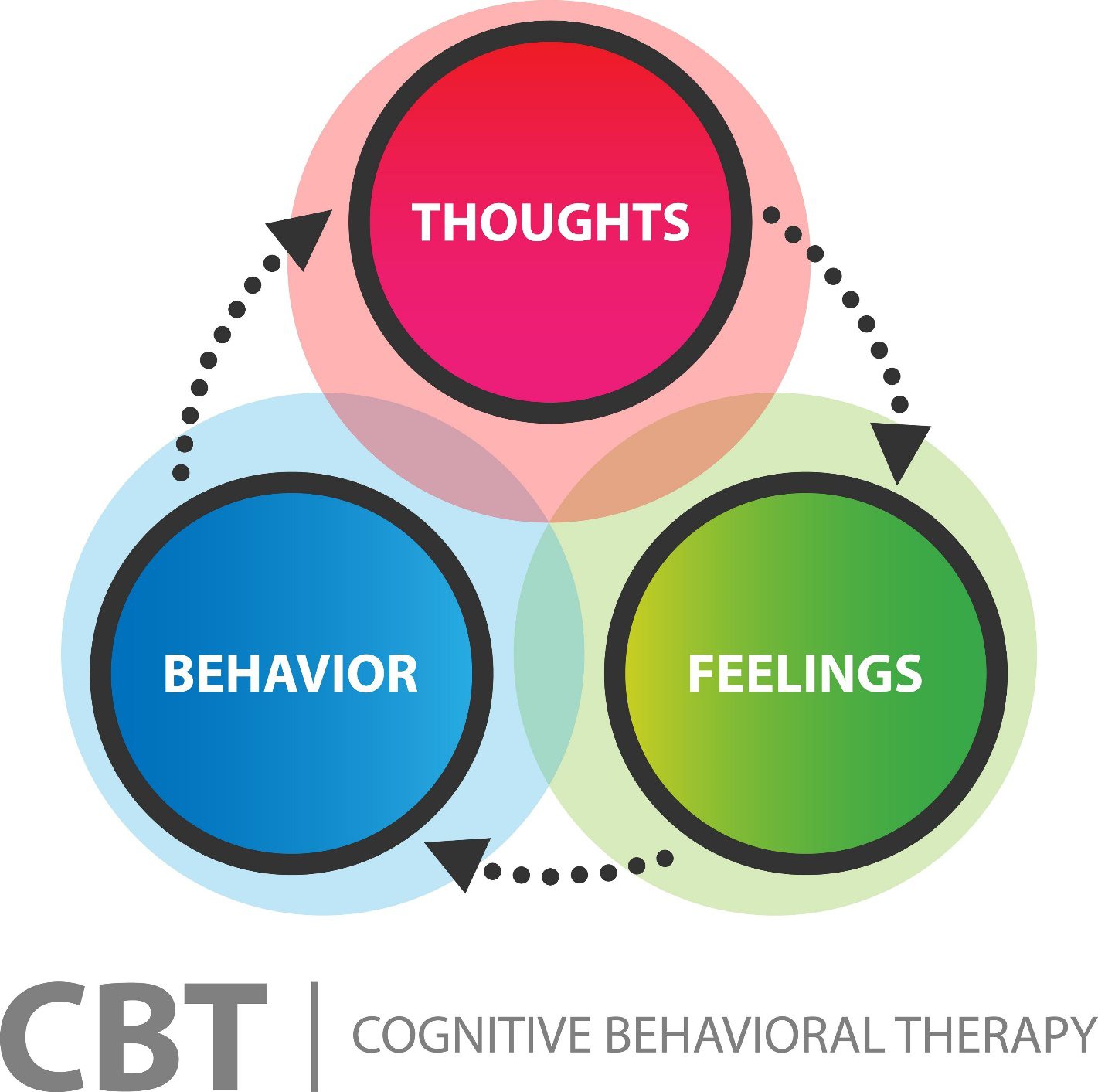
⚓ The Anchor Technique: Using CBT to Stabilize Emotions During Withdrawal or Stress
By: BetterMindClub.com
Introduction: Finding Stability in the Storm
When facing substance withdrawal or acute stress, the body and mind often feel chaotic. Emotions spike, thoughts race, and physical discomfort can feel overwhelming. This is often described as feeling “adrift” or ungrounded. The primary goal during these high-intensity moments is not to eliminate the discomfort (which is avoidance), but to safely tolerate the feelings until they naturally subside.
The Anchor Technique is an integrated, rapid-response coping strategy that uses principles from Cognitive Behavioral Therapy (CBT) and Distress Tolerance (a core skill in Dialectical Behavior Therapy/DBT). It provides a concrete, multi-sensory way to stabilize your nervous system and re-orient yourself to the present moment, interrupting the spiral toward compulsive behavior. To learn more about mastering these psychological skills, see our deep dive on CBT for Emotional Regulation and Stability. Addressing these issues is central to mental health and substance use disorder care.
Phase 1: CBT Mapping—Identifying the Drift
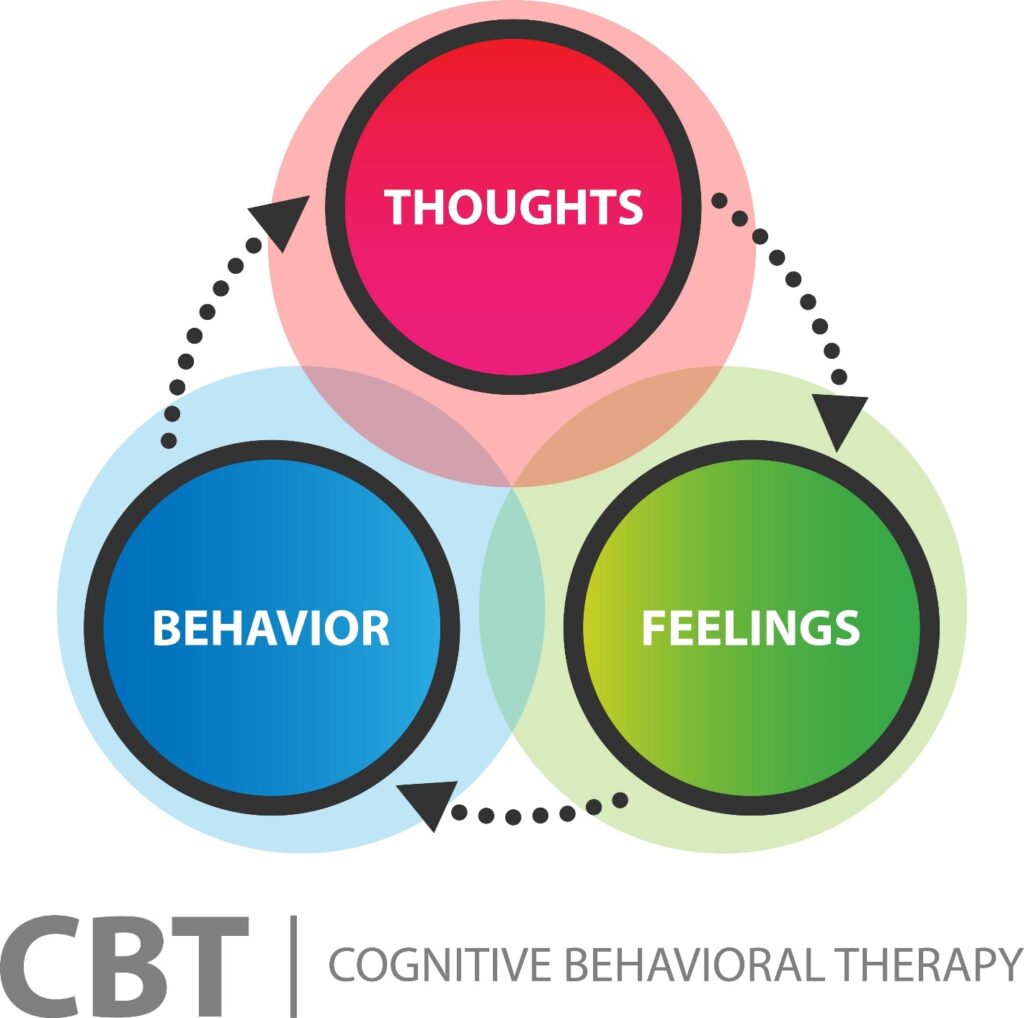
Before deploying the Anchor, you must understand what makes you “drift.” This is the quick, moment-to-moment analysis of the CBT Triangle (Thought-Feeling-Action) that leads to destabilization.
The Drift Cycle
The addictive or impulsive urge is often triggered by a negative Automatic Thought which immediately intensifies a negative Emotion, leading to a desperate action (The Drift).
| Step | Process | Action/Goal |
| Trigger | Internal distress (Pain/Withdrawal) or external stressor. | Identify: What set this off? |
| Automatic Thought | A catastrophic thought or a justification for escape. | Acknowledge: “This is the only way to make it stop.” (This is the “Drift.”) |
| Emotion Spike | Intense anxiety, panic, or urge (e.g., 9/10 intensity). | Decenter: This feeling is intense, but temporary. |
| The Drift | Mental or physical rush toward the impulsive behavior. | STOP. Engage the Anchor Technique immediately. |
This process happens quickly. The Anchor Technique is the practical tool deployed in the STOP moment to interrupt this cycle.
Phase 2: Deploying the Anchor—Grounding and Resourcing
The Anchor Technique involves three sequential steps designed to regulate your physiology (bottom-up processing) and re-engage your cognitive control (top-down processing).
Step 1: The Physical Anchor (Regulate Physiology)
The goal here is immediate, physical interruption of the panic response by activating the parasympathetic nervous system (rest and digest).
- Pace Your Breathing: Take one slow, deliberate breath. Inhale deeply through your nose for a count of 4. Hold for 2. Exhale slowly through pursed lips for a count of 6 or 8. Repeat 3-5 times. This long exhale is critical for vagal nerve toning.
- Root Your Body: If standing, feel your feet firmly planted on the ground. If sitting, feel your hips heavy in the chair. Press your hands against a nearby surface (wall, desk) and feel the resistance. Grounding via touch signals safety to the brain.
Step 2: The Sensory Anchor (Connect to Reality)
This step uses the classic 5-4-3-2-1 Grounding Method to pull your attention away from racing thoughts and intense emotions, and firmly into the external, non-threatening reality of the present moment.
- 5 Things you can see: Name five things around you (e.g., “The blue cup,” “The crack in the wall,” “My hands”).
- 4 Things you can feel (touch): Notice four things your body is touching (e.g., “The soft cotton of my shirt,” “The smoothness of the phone,” “The air temperature”).
- 3 Things you can hear: Identify three external sounds (e.g., “A car outside,” “The hum of the refrigerator,” “My clock ticking”).
- 2 Things you can smell: Identify two distinct smells.
- 1 Thing you can taste: Focus on the taste in your mouth (e.g., mint, coffee residue, or simply water).
Step 3: The Cognitive Anchor (CBT Reframe)
Once your body and senses are grounded, the emotional intensity should have dropped from 9/10 to 6/10 or lower. Now you re-engage your prefrontal cortex to challenge the “Drift” thought (Phase 1).
- Acknowledge the Clean Pain: State non-judgmentally: “I am feeling intense distress (or craving) right now. This is the pain of withdrawal/stress, not a signal that I must act.”
- The Power Statement: Choose a committed action phrase that aligns with your values:
- “This feeling will pass. I can tolerate this for ten more minutes.”
- “I am safe right now. I choose health over escape.”
- “This discomfort is temporary; my recovery is permanent.”
Additional CBT Reframe Examples
Use these specific reframes to counter common Automatic Thoughts during high distress:
| Automatic Thought (The Drift) | Cognitive Reframe (The Anchor) |
| “I can’t stand this feeling for one more second.” | “The feeling is intense, but I have survived 100% of my worst moments so far. I can manage the next 60 seconds.” |
| “I need a drink/pill/etc., or I’m going to lose control.” | “The craving is a physical sensation, not a command. I am in control of my actions, even if I am not in control of my feelings.” |
| “If I don’t escape this, something bad will happen.” | “This feeling is uncomfortable, but not dangerous. The danger lies in acting on the impulse, not in feeling the emotion.” |
Phase 3: The Neuroscience of the Anchor (Why it Works)
Understanding the neurological mechanism behind the Anchor Technique reinforces your ability to use it effectively. The technique physically and cognitively “flips the switch” on the brain’s Threat System. These mechanisms are a core focus of substance use disorder and relapse prevention research.
The Amygdala vs. The Prefrontal Cortex
When a stressor (e.g., craving, panic) hits, your brain defaults to the amygdala (the emotional center) which initiates the fight-or-flight response. This is the source of the “Drift.”
| Brain Area | Function During Stress/Withdrawal | Anchor Intervention |
| Amygdala (The Fire Alarm) | Overreacts, triggering immediate panic, heart rate spike, and impulsive escape (addiction). | Step 1 (Physical Anchor): Vagal breathing directly calms the amygdala. |
| Prefrontal Cortex (PFC) (The CEO) | Responsible for logic, long-term planning, and emotional regulation; often shut down by intense stress. | Step 2 (Sensory Anchor): The 5-4-3-2-1 task forces the PFC to re-engage logical processing. Step 3 (Cognitive Anchor): CBT Reframe uses the PFC to overwrite the catastrophic Automatic Thought. |
By systematically engaging your senses and breathing, you send clear, physical signals to the brain that the current environment is safe, allowing the PFC to regain control from the overwhelmed amygdala.
Phase 4: Healing the Root—Shame Resilience and Self-Compassion
Addiction often thrives on shame, which acts as a powerful secondary trigger, turning “Clean Pain” (withdrawal/sadness) into “Dirty Pain” (self-hatred/judgment). The Anchor Technique, when combined with self-compassion, becomes an antidote to this shame.
1. Identify the Inner Critic’s Voice
The Automatic Thought (Phase 1) is often layered with judgment. Identify the critical words that compound your pain: “I am a failure,” “I’m weak for feeling this way,” or “I should be over this by now.”
2. Replace Judgment with Kindness
After deploying the Anchor and stabilizing your emotions, consciously replace the Inner Critic’s statement with a statement of self-compassion. This is a critical CBT intervention for emotional healing.
| Shame Statement (Dirty Pain) | Self-Compassion Reframe (CBT) |
| “I’m weak for struggling with this craving.” | “Struggling is a sign that I am fighting for my life. This is hard, and I am being brave right now.” |
| “I should be further along in my recovery.” | “Recovery is a non-linear process. I am exactly where I need to be, and I will be kind to myself today.” |
| “I am a failure because I feel this intense anxiety.” | “This anxiety is temporary suffering. I am a worthy person who is suffering, and I deserve support.” |
3. Vulnerability as an Anchor
Shame drives isolation, which fuels the addiction cycle. Sharing your struggle—even just the fact that you successfully used the Anchor Technique—with a trusted support person (Relational Anchor) is a direct, committed action that counteracts shame.
Phase 5: Immediate Aftercare—Committed Action
The Anchor Technique is not the final step; it is the bridge to taking a committed action that reinforces your recovery, instead of returning to the addictive behavior.
1. Relational Anchor
Reach out to a trusted, sober person. Even a brief text message—“I am struggling right now but I am safe”—can cement the shift from isolation (the driver of addiction) to connection. This acts as a preventative measure against shame and relapse.
2. Opposite Action
If the emotion was shame (impulse: hide), choose a small task that requires outward engagement (Opposite Action), such as washing one dish or making your bed. If the emotion was anger (impulse: lash out), choose an Opposite Action like listening to calming music or going for a brisk walk.
3. Plan for the Next Wave
Acknowledge the success of using the Anchor. Review what worked and what didn’t, and commit to using the technique the next time a “Drift” occurs. This is the ultimate CBT skill: turning a moment of struggle into an opportunity for learning and mastery.
Phase 6: Integrating the Anchor for Long-Term Relapse Prevention
The sustained practice of the Anchor Technique helps solidify long-term stability by creating new neural pathways.
1. Identify Your Anchor Situations (High-Risk)
CBT dictates that preparation is key. Map out the times, places, and people most likely to trigger a “Drift” cycle. These are your Anchor Situations.
- Example: If Fridays after work trigger the urge, commit to deploying the Physical Anchor (Step 1) before you leave the office. (For support on navigating specific high-stress environments, such as juggling demanding roles, refer to our article on CBT for Single Mother Support).
2. Micro-Dosing the Anchor
Practice the breathing (Step 1) for 60 seconds every morning, even when you feel calm. This trains your nervous system to access the regulated state quickly. This builds the Distress Tolerance muscle before it’s needed in a crisis.
3. The “Play the Tape Forward” Reframe (Advanced CBT)
In moments of low-level craving, use a classic CBT reframe that looks past the immediate relief. This skill is vital for success in any substance use treatment program:
| The “10-Minute Relief” Thought | The “10-Hour Consequence” Reframe |
| “This pain ends if I use now.” | “I choose the temporary discomfort of the craving now, for the lasting peace of sobriety later.” |
| “It’s just one time, it won’t hurt my recovery.” | “One time leads to ten, which leads to shame and starting over. I protect my future self by making the right choice today.” |
| “I deserve a break/reward after all this stress.” | “I deserve true peace, not a brief escape followed by guilt. I will reward myself with a healthy action instead (e.g., calling a friend).” |
Frequently Asked Questions (FAQs)
How is the Anchor Technique different from simple distraction?
Simple distraction (like watching TV) works by diverting your attention, which can temporarily reduce distress, but it’s a form of emotional avoidance. The Anchor Technique is different because:
- It is grounding, not avoiding: It purposefully engages your senses and breathing (Physical and Sensory Anchors) to keep you connected to the present moment, rather than pulling you away from it.
- It is cognitive: It includes the CBT Reframe (Step 3) to actively change the catastrophic thought, directly building coping skills and emotional resilience, which distraction does not.
Can I use the Anchor Technique for panic attacks or general anxiety?
Yes, absolutely. The core mechanism—activating the parasympathetic nervous system via deep breathing and engaging the Prefrontal Cortex via the 5-4-3-2-1 method—is a standard, evidence-based intervention for stabilizing panic attacks, acute anxiety, and intense emotional flashbacks, regardless of whether the root cause is withdrawal or general stress.
How quickly should the Anchor Technique work?
The goal is a measurable reduction in emotional intensity (e.g., dropping from 9/10 to 6/10) within 3 to 5 minutes of initiating the steps, particularly the paced breathing and sensory engagement. The entire sequence (Steps 1-3) usually takes about 5 to 10 minutes. Consistency is key; the more you practice it when calm (Micro-Dosing), the faster and more effective it will be when you are in crisis.
Is the Anchor Technique safe to use during physical withdrawal symptoms?
The Anchor Technique is safe, as it uses only breathing and grounding exercises. However, it is essential to emphasize: The Anchor Technique is not a substitute for medical detoxification (detox). If you are experiencing severe physical withdrawal symptoms (such as seizures, severe nausea/vomiting, or delirium tremens), you should seek immediate professional medical attention. Use the Anchor Technique as a psychological tool to manage the anxiety, restlessness, and emotional distress in conjunction with medical guidance.
Authoritative Resources for Continued Support
The Anchor Technique is an effective self-management tool. However, it is not a substitute for professional treatment.
- For 24/7 Treatment Referral: Call the SAMHSA National Helpline at 1-800-662-HELP (4357). This is a free, confidential service offered by the Substance Abuse and Mental Health Services Administration.
- Learn More About CBT and Addiction: The National Library of Medicine (NIH) provides extensive, research-based information on addiction treatment modalities, including the proven effectiveness of cognitive-behavioral interventions: NIH: Principles of Drug Addiction Treatment.
- General Mental Health Support: The National Institute of Mental Health (NIMH) offers resources on managing co-occurring anxiety and stress disorders often linked to withdrawal and relapse: NIMH: Anxiety Disorders.
Final Call to Action: Build Your Anchor Kit
You don’t need to wait for a crisis to practice. Practice makes permanent!
- Print or Save the steps of the Anchor Technique.
- Define Your Power Statement (Phase 2, Step 3) and write it down.
- Practice Step 1 (Physical Anchor) right now—take three controlled breaths with a longer exhale.
Visit BetterMindClub.com for Free Distress Tolerance Worksheets and our Library of Wellness Books
SEO Metadata
| Element | Field Value |
| SEO Title (H1) | The Anchor Technique: Using CBT to Stabilize Emotions During Withdrawal or Stress |
| Meta Description | Learn the Anchor Technique, a rapid 3-step coping strategy combining CBT and grounding to stabilize intense emotions, manage withdrawal symptoms, and prevent relapse during moments of stress. Includes the neuroscience of grounding. |
| Meta Slug | anchor-technique-cbt-stabilize-emotions-withdrawal |
| SEO Key Phrase Focus | Anchor Technique CBT Stress Withdrawal |
