
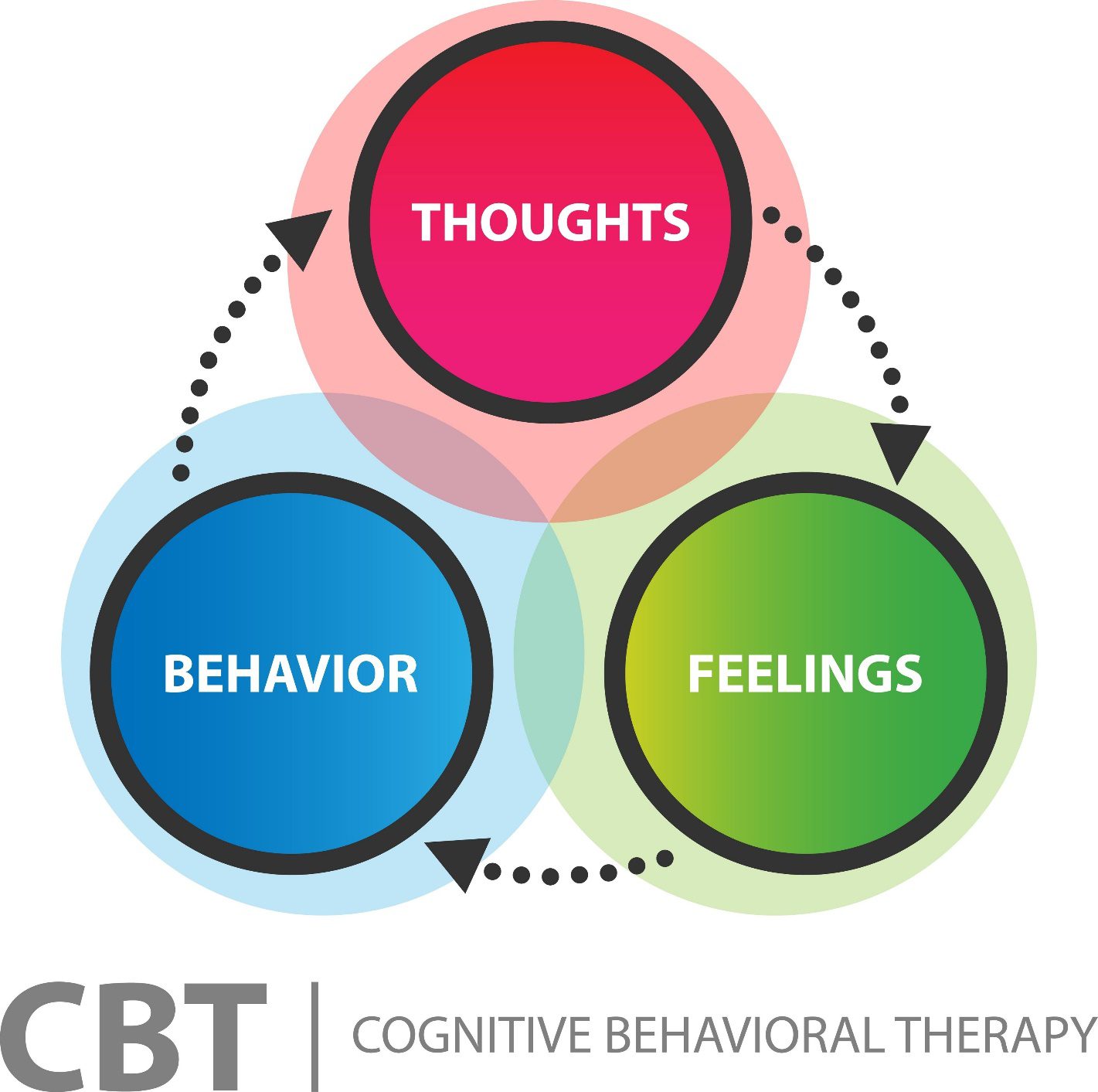
The Trigger Map: A Practical CBT Guide to Identifying and Transforming Risk Moments
Introduction: Mastering the Moment of Choice
The “Risk Moment” Defined
In Cognitive Behavioral Therapy (CBT), change isn’t about massive willpower; it’s about mastering specific moments. These moments are the “risk moments” where an internal or external stimulus—a trigger—causes us to default to an unhelpful pattern of thought, emotion, or behavior.
Purpose of the Trigger Map
The CBT Trigger Map is a practical tool designed to systematically identify and break down the predictable chain reaction that leads to an unwanted outcome (e.g., anxiety, procrastination, emotional spending). Instead of feeling overwhelmed, this method allows you to map the T-A-E-B chain, insert an intervention point, and transform the risk moment into a moment of intentional, positive choice. This intentional control is key to understanding CBT and Emotional Control: How Cognitive Behavioral Therapy Helps You Avoid Crashing Out.
This guide provides a blueprint for creating your own Trigger Map and using it for lasting behavioral change.
Phase 1: Understanding the Risk Chain (The Anatomy of a Trigger)
A trigger is never the real problem; it’s just the alarm bell for a deeper need or belief. Understanding the flow of the Risk Chain is the first step in creating your Trigger Map.
The Four Links in the Chain
| Link | Description | CBT Focus |
| 1. The Trigger (T) | The external event (seeing an email, time of day, noise) or internal state (feeling bored, tired, lonely) that starts the process. | Where and when did this start? |
| 2. The Automatic Thought (A) | The immediate, often negative, judgment or belief that flashes through your mind in response to the Trigger. | What meaning did I instantly assign to this trigger? |
| 3. The Negative Emotion (E) | The feeling that results from believing the Automatic Thought (e.g., anxiety, anger, despair). This provides the fuel for the unhelpful behavior. | How did that thought make me feel? |
| 4. The Unhelpful Behavior (B) | The action you take to cope with the negative emotion, which provides short-term relief but long-term negative consequences. | What did I do to escape the feeling? |
The CBT Interconnection
This relationship is often visualized in CBT as the interconnection of thoughts, feelings, and behaviors
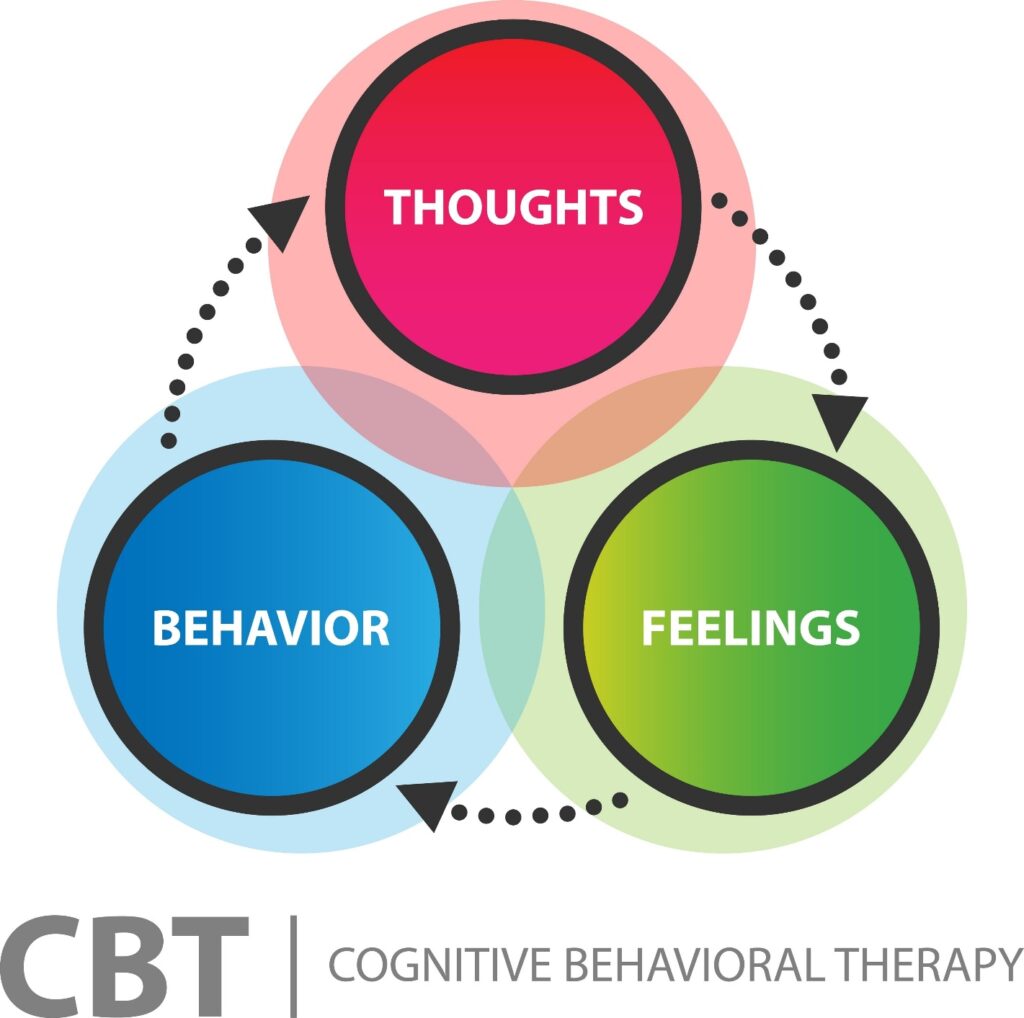
, where changing any one element impacts the others. This concept is fundamental to the practice of CBT in mental health treatment as validated by organizations like the American Psychological Association (APA).
Phase 2: Building Your Trigger Map (T-A-E-B Analysis)
To create a practical map, you must start with the consequence you want to stop (the Unhelpful Behavior). Work backward from the behavior to isolate the true starting point.
Step-by-Step Mapping
- Select a Target Behavior (B): Choose a specific, measurable behavior you want to change (e.g., spending an hour scrolling social media after dinner).
- Identify the Preceding Emotion (E): Immediately before the behavior, what was the dominant feeling? (e.g., Boredom, inadequacy, stress).
- Capture the Automatic Thought (A): What thought justified the feeling? (e.g., “I deserve a break,” or “My life isn’t as good as everyone else’s.”)
- Pinpoint the Trigger (T): What was the exact stimulus? (e.g., The sound of the TV turning off, or physically sitting on the couch after the last dish was cleaned.)
| Unhelpful Behavior (B) | Negative Emotion (E) | Automatic Thought (A) | Trigger (T) |
| Scrolling Instagram for 60 minutes. | Inadequacy / Envy | “I’m wasting my time,” followed by “I need to see what others are doing.” | Sitting down on the living room sofa immediately after dinner. |
| Yelling at a family member. | Intense Frustration | “They are purposely trying to make this difficult for me.” (Mind reading) | A specific task being left unfinished for the third time. |
The Fifth Link: Uncovering the Core Belief
While the T-A-E-B chain explains the moment, the driving force is the Core Belief (CB). The Core Belief is a rigid, deeply held conviction about yourself, the world, or the future, usually formed in childhood.
- T-A-E-B Example: The Automatic Thought (“I need to see what others are doing”) is supported by the Core Belief: “I am fundamentally not good enough” or “I am missing out.”
- Actionable CBT: True, deep change happens when you identify the Core Belief and restructure it. For example, by changing the Core Belief to “My value is internal, independent of others’ achievements.” This is the foundation of CBT and Self-Motivation: Building Strength and Growth Through Self-Help Therapy.
Phase 3: Transforming the Risk Moment (Intervention Strategies)
The Trigger Map creates three specific points where we can strategically intervene to interrupt the chain.
1. Intervening at the Trigger (T-Intervention: Environmental Control)
The most effective, yet often overlooked, intervention is Stimulus Control. This involves changing the environment to make the old behavior harder and the new behavior easier.
- Goal: Physically or logistically separate the Trigger from the Automatic Thought/Emotion.
- Strategy (Friction): Increase the effort required to engage in the unwanted behavior.
- Example (From Map): If the trigger is the sofa after dinner, change the routine to immediately walk around the block before sitting down. The new action breaks the spatial/time cue.
2. Intervening at the Thought (A-Intervention: Cognitive Restructuring)
If you can’t control the Trigger, you must challenge the Automatic Thought before it generates a strong emotion. This is the core of developing a Growth Mindset with CBT Techniques. This process aligns with achieving a positive CBT Mindset: Healing, Happiness, and the Science of Positive Change.
- Goal: Replace the unhelpful thought with a more balanced, rational thought.
- Strategy (Thought Challenge): Ask: “Is this thought 100% true? What evidence supports it, and what evidence refutes it?”
- Example (From Map): Replace the thought “They are purposely trying to make this difficult” with “They are likely distracted or tired. Their behavior reflects their state, not my worth.” This neutralizes the intense frustration.
Common Cognitive Distortions Fueling the Chain (Spot the Flaw)
Automatic Thoughts are often based on predictable, flawed patterns of thinking known as cognitive distortions. Recognizing these makes them easier to challenge:
- All-or-Nothing Thinking: Seeing things in black-and-white (e.g., “I ate one cookie, so the whole diet is ruined, I might as well eat the rest.”)
- Catastrophizing: Blowing the immediate risk out of proportion (e.g., “If I don’t check my email right now, the whole project will fail.”)
- Emotional Reasoning: Believing something is true because you feel it strongly (e.g., “I feel overwhelmed, therefore, the task must be impossible.”)
- Mind Reading: Assuming you know what others are thinking (e.g., “My boss didn’t look happy; they must think I did a terrible job.”)
3. Intervening at the Emotion/Behavior (E-B Intervention: Replacement Routine)
If the emotion is already high, attempting a rational thought challenge will fail. At this point, you must use a pre-planned Replacement Routine to manage the emotion safely. This ability to self-manage feelings is a central tenet of Emotional Intelligence: Mastering Your Emotions to Master Your Life.
- Goal: Fulfill the function of the old behavior (e.g., comfort, escape) using a healthy, low-friction action.
- Strategy (Substitution): The new routine must be easier than the old one.
- Example (From Map): Replace the Unhelpful Behavior (Yelling) with a Replacement Routine (Emotional Cooling): Take 10 slow, deep breaths, then leave the room for 5 minutes. This action safely discharges the emotional energy.
Behavioral Techniques for The Critical Window
The moment between the peak of the emotion and the old behavior is the Critical Window. These techniques help you survive that window long enough to execute the Replacement Routine:
- The 5-Minute Delay Rule: Before engaging in the unwanted behavior (e.g., checking social media, making an impulsive purchase), commit to a mandatory 5-minute waiting period. During this time, the urge will often decrease or the rational part of your brain will engage.
- Distress Tolerance (TIPP Skills): For intense emotional urges, use rapid, physical strategies to reset the nervous system: Tip the temperature (splash cold water on your face), Intense exercise, Paced breathing, and Paired muscle relaxation. These tools quickly disrupt the emotional surge.
- Opposite Action: When experiencing an unhelpful emotion (like sadness leading to isolation), choose to do the opposite of what the emotion tells you (e.g., calling a friend instead of withdrawing). This is a foundational dialectical behavioral therapy (DBT) skill that supports CBT goals.
For further reading on replacing habits, the main BetterMindClub website offers comprehensive guides and CBT courses for personal development that dive deeper into this substitution model.
Phase 4: Long-Term Mapping and Maintenance
Maintaining change requires consistent re-mapping, as old triggers can evolve, and new triggers can appear.
1. The Trigger Log (Data Collection)
Keep a simple daily log for one week using a journal or digital tracker. This ensures you collect data, rather than relying on memory or generalized feelings. You can find free templates in our collection of Free Downloadable CBT Tools and Guides.
- Log Columns: Date/Time, Trigger (T), Emotion (E), Unhelpful Behavior (B), Success/Fail, New Strategy Applied.
2. Generalizing the Map: From Trigger to Core Belief
As you successfully apply the intervention, look for patterns. Do all your procrastination habits stem from the same core belief (e.g., fear of failure)? Do all your anxiety triggers involve perceived lack of control?
By generalizing the map, you realize you don’t have 50 separate problems; you have one core cognitive issue (a core belief) that is activated by many different triggers. Changing that core belief provides widespread relief, a fundamental goal of CBT and key to Spiritual‑Growth Alignment: CBT Techniques for Wellness. The National Institute of Mental Health (NIMH) emphasizes that effective long-term coping strategies involve shifting these underlying thought patterns.
3. When the Chain is Too Strong: Seeking Support
If the unwanted behaviors are related to severe anxiety, depression, or substance abuse, the Risk Chain may be too strong to break alone. Resources like the U.S. Department of Veterans Affairs (VA) offer guidance on Substance Use Disorders and Reducing Relapse Risk.
It’s vital to remember You Are Not Alone. For compassionate support and guidance and resources to help you through any crisis, visit our emergency support page. Furthermore, the federal government supports structured therapy programs; the Office of Inspector General (OIG) references structured CBT as a critical part of services for substance use disorders. You can find more information on the efficacy of Brief Interventions and Brief Therapies for Substance Abuse from SAMHSA/HHS, or general guidance on the Treatment of Substance Use Disorders from the CDC. Specialized sources, such as the NCBI Bookshelf, detail Counseling Approaches to Promote Recovery From Problematic Substance Use and Related Issues, emphasizing cognitive and behavioral strategies for Addiction Relapse Prevention.
Frequently Asked Questions (FAQs)
Q: If I identify my Trigger (T), shouldn’t I just avoid it?
A: Avoidance (T-Intervention) is highly effective for external triggers (like deleting a tempting app). However, for internal triggers (like boredom or anxiety), avoidance is impossible. The goal of the Trigger Map is not perpetual avoidance, but building the skill to execute the Replacement Routine when the trigger is unavoidable. This builds resilience rather than reliance on a perfect environment.
Q: What if I relapse or fail to execute my Replacement Routine?
A: A relapse is not a failure; it is data. Go back to your Trigger Log (Phase 4, Point 1). Ask yourself two questions: 1) Was my Replacement Routine truly fulfilling the function (reward) of the old behavior? 2) Was the Automatic Thought too powerful? Use this information to adjust your CBT strategy—either by strengthening the replacement (E-B Intervention) or challenging the thought more aggressively (A-Intervention). Practice self-compassion instead of criticism.
Q: Can I use the Trigger Map for multiple habits at once?
A: It is strongly recommended to focus on one or two high-impact chains at a time. The initial stages require intense cognitive effort to map the chain and practice the new intervention. Once you achieve consistent success with one habit (after 4-6 weeks), the skill of interruption becomes stronger and easier to apply to the next habit.
Q: How quickly should I expect to see results from using the map?
A: You should see immediate results in awareness—the ability to identify the chain as it happens. Behavioral change is gradual. Expect fluctuations (lapses are normal). Consistency is more important than perfection. The reward comes from the cumulative effect of making the new choice 60% of the time, then 70%, and so on, until the new pathway becomes automatic.
Final Call to Action
Stop trying to fight your habits with willpower. Start mapping your Risk Moments today. The CBT Trigger Map provides the clarity, strategy, and power you need to master the moment of choice and build the life you want.
To learn more about the methods and philosophy behind these guides, visit the About Me page.
SEO Metadata
| Order | Field | Content |
| 1. | SEO Meta Title | The Trigger Map: A Practical CBT Guide to Transforming Risk Moments |
| 2. | Meta Description | Use The Trigger Map—a practical CBT tool—to systematically identify the chain reaction (Trigger, Thought, Emotion, Behavior) that leads to unwanted habits, and learn three ways to intervene and transform risk moments. |
| 3. | Meta Slug (URL Extension) | /cbt-trigger-map-identifying-risk-moments |
| 4. | SEO Key Phrasecbt-trigger-map-identifying-risk-moments | SEO Key Phrasecbt-trigger-map-identifying-risk-moments |
