Overcoming Addiction Through Acceptance and CBT: A Path to Lasting Change
Introduction: The Vicious Cycle of Avoidance
Addiction and compulsive behaviors are often driven by a fundamental desire to avoid discomfort. Whether it’s the pain of shame, anxiety, loneliness, or failure, the substance or behavior becomes the fastest, most effective form of emotional anesthesia. However, this avoidance creates a vicious cycle: the more we resist painful feelings, the stronger those feelings become, leading to greater dependence on the addiction.
This article outlines an integrated approach combining core Cognitive Behavioral Therapy (CBT) techniques with the powerful concept of Acceptance. This approach teaches you not only how to change destructive thoughts but also how to tolerate and move through difficult emotions without resorting to addictive behaviors.
Phase 1: CBT—Mapping the Avoidance Loop
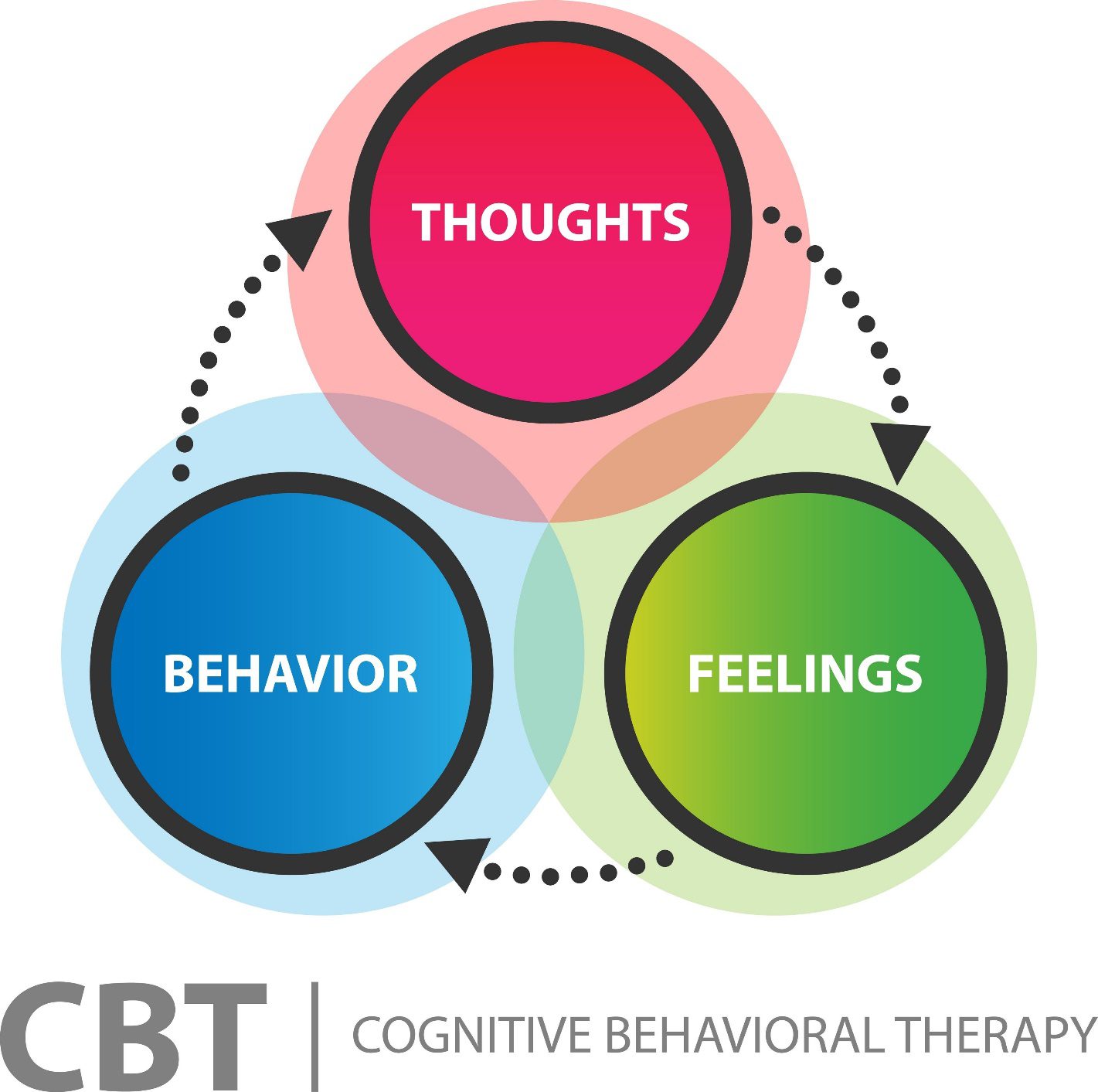
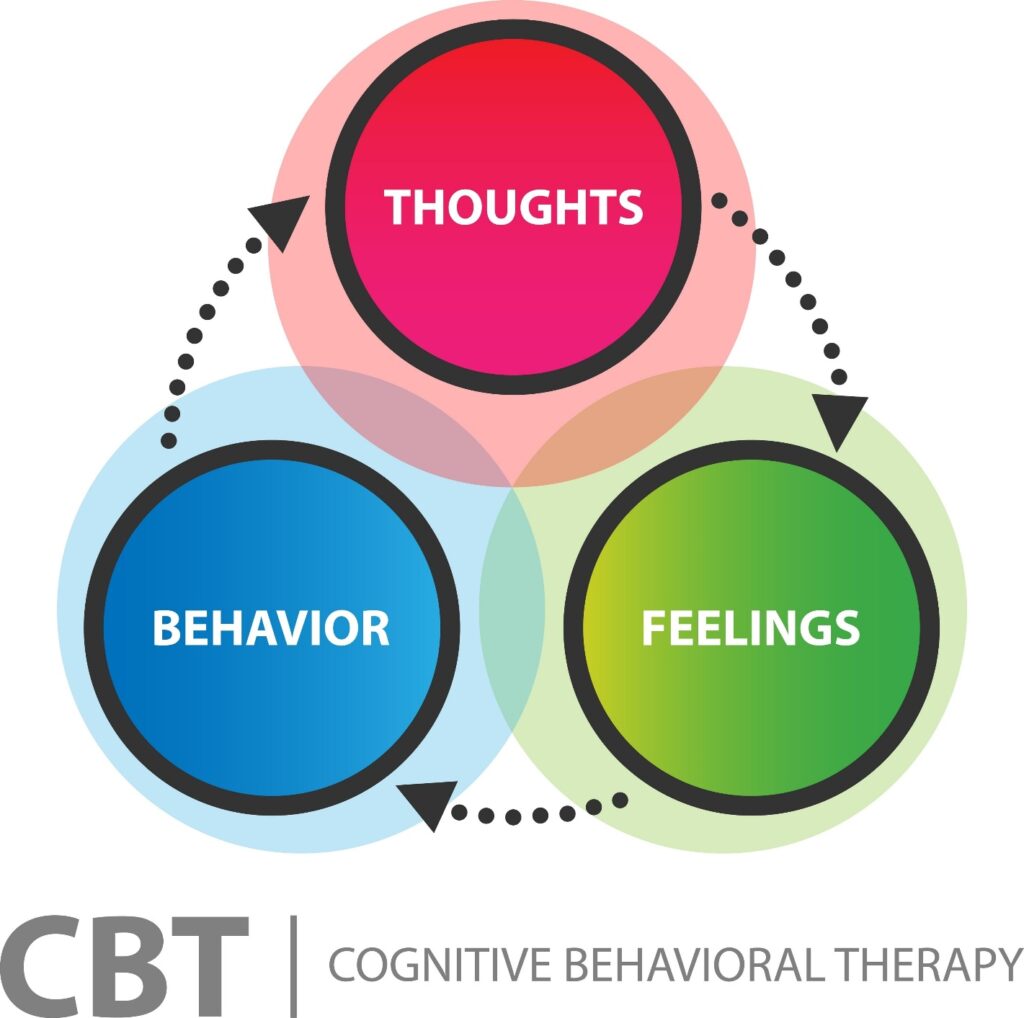
The first step is gaining clarity on the immediate sequence of events that leads to the craving and the compulsive action. This is the classic CBT Triangle applied to addiction, where the thought, feeling, and behavior are inextricably linked.
1. Identify the Trigger and Automatic Thought
A trigger is any internal (e.g., memory, intense emotion) or external (e.g., location, person) cue that initiates the desire to use or act out. This trigger immediately generates an Automatic Thought that acts as the “permission slip” for the behavior.
| Component | Description | Example (After a Stressful Day) |
| Trigger (Situation) | The event, internal or external, that sparks distress. | Boss criticizes work; I feel physical tension (internal trigger). |
| Emotion | The immediate, painful feeling being avoided. | Anxiety (8/10), Shame, Anger. |
| Automatic Thought | The “Escape/Relief Thought” that justifies using. | “I deserve a break.” “This is the only way to calm down.” “If I don’t stop this feeling now, I’ll explode.” |
| Behavior | The compulsive action taken to avoid the emotion. | Using the substance or engaging in the addictive behavior. |
2. Cognitive Restructuring (CBT Reframe)
CBT teaches us to challenge the automatic, destructive thought. The goal isn’t to eliminate the feeling (that’s avoidance), but to eliminate the belief that the addictive behavior is the only solution. You can get practical help by exploring our free worksheets for mapping the CBT Triangle and practicing cognitive restructuring.
| Cognitive Distortion | Addiction-Related Example | CBT Reframe (Challenging the Escape Thought) |
| All-or-Nothing Thinking | “I had one slip, so the whole recovery is ruined. I might as well give up.” | “One action doesn’t define the whole journey. A slip is a data point, not a catastrophe. I choose my next action now.” |
| Emotional Reasoning | “I feel overwhelmed and hopeless, therefore my situation must actually be hopeless, and escape is necessary.” | “My feelings are intense, but they are not facts. I can feel hopeless and still take a committed action toward my values.” |
| Catastrophizing | “If I stay sober through this event, I will be miserable and I won’t survive the anxiety.” | “I can tolerate discomfort. Anxiety is an emotion that peaks and passes. I have skills (Phase 3) to ride this wave safely.” |
| Mind Reading | “My friend didn’t call me back; they must think I’m weak and don’t care about my recovery.” | “I am projecting my shame onto others. I will check the facts, and regardless, their opinion does not determine my worth or commitment.” |
| Filtering (Tunnel Vision) | “All I can think about is the craving. That means the craving is the most important thing.” | “The craving is loud, but it is not everything. I will notice the other things happening in my life right now (my breath, my environment, my intention).” |
| Should Statements | “I should be happy and totally over this by now. Since I’m not, I’m doing recovery wrong.” | “There are no ‘shoulds’ in human progress. Recovery is a messy process. I will replace ‘should’ with ‘I choose to be kind to myself today’.” |
Challenging these thoughts is an essential skill for interrupting the emotional avoidance loop and is the critical CBT element of this integrated approach.
Phase 2: Acceptance—Radically Allowing Discomfort
Acceptance is the cornerstone of lasting recovery. It is the mindful, active decision to allow difficult thoughts and feelings to exist without trying to change them, push them away, or act upon them. It is the direct opposite of the avoidance cycle. This shift from resistance to growth is fundamental; read our guide on CBT mindset for happiness and growth for more.
1. The Core Principle: Clean Pain vs. Dirty Pain
| Type of Pain | Source | Role in Addiction |
| Clean Pain | The unavoidable, raw emotion. (e.g., sadness, anxiety, guilt). | This is the natural discomfort of life. Acceptance allows us to process this. |
| Dirty Pain | The added suffering created by resistance (e.g., judgment, shame, denial). | This is the self-criticism (“I shouldn’t feel this way,” “I’m weak”). This resistance fuels the addiction. |
Addiction is an attempt to escape Clean Pain, but it ultimately creates massive amounts of Dirty Pain. Acceptance helps you drop the fight against the Clean Pain.
2. The Practice of Willingness (Radical Acceptance)
Willingness is the active choice to open up and make room for the emotional experience, even if it feels unpleasant. When a craving hits (which is an emotion/physical state), instead of resisting:
- Acknowledge: “I am having the thought/urge to use right now.” (Decentering: distinguishing the thought from the self).
- Allow: “I accept that this feeling is here. I will let it be, even though it hurts.”
- Drop the Anchor: Use grounding or breathing techniques to stay present (see Phase 3).
Phase 3: Behavioral Interventions—Tolerating the Wave
To successfully navigate the cravings and emotional intensity that arise from acceptance, you need robust coping skills. These techniques help you tolerate distress long enough for the emotional wave to pass naturally (typically 10-20 minutes for peak craving intensity). For information on the science of addiction and treatment approaches, consult the National Institute on Drug Abuse (NIDA).
1. Vagal Toning for Nervous System Regulation
The Vagus nerve helps regulate your stress response. Activating your parasympathetic nervous system is a physical action that signals safety to your brain, bypassing the emotional panic of the craving.
- Diaphragmatic Breathing: Focus on slow, deep exhales. Make the exhale twice as long as the inhale (e.g., inhale 4 seconds, exhale 8 seconds).
- Temperature Change: Briefly placing an ice pack on the face or wrists, or splashing cold water on the face, can quickly interrupt a panic cycle and ground you.
2. Opposite Action (CBT/DBT)
When a feeling is overwhelming, and the automatic thought commands you toward the addiction, choose the Opposite Action—an activity that serves your long-term values, not your short-term impulse.
| Emotion (Awaited) | Destructive Impulse | Opposite Action |
| Shame/Guilt | Isolate, hide, use. | Reach out to a trusted person, attend a meeting, do self-compassion work. |
| Anger/Frustration | Attack, lash out, use. | Process physically (intense exercise) or soothe (deep breathing, quiet music). |
| Loneliness/Sadness | Numb, withdraw, catastrophize. | Connect (call a friend), engage in a meaningful hobby. |
Phase 4: Committed Action—Living by Your Values
Sustained recovery is not simply about what you stop doing; it’s about what you start doing. This phase uses the structure of CBT to build a life rich in meaning, making it less likely that you will need to escape.
1. Values Clarification
Identify 2-3 Core Values that you want your life to represent (e.g., Family, Honesty, Health, Creativity, Service).
2. Behavioral Experiments for Values
Schedule small, deliberate actions aligned with these values. These acts serve as powerful Behavioral Experiments that replace the old, addictive routines.
- Value: Health: Schedule a 15-minute walk daily (competes with time previously spent using).
- Value: Connection: Commit to sending one genuinely positive text message to a loved one each day (competes with isolation).
By consistently choosing actions aligned with your values, you actively build positive reinforcement loops, weakening the old, avoidance-based neural pathways.
Phase 5: Self-Compassion and Shame Resilience
Shame is the primary emotional fuel for addiction. Acceptance helps us tolerate general distress, but self-compassion is necessary to heal the deep, core feeling of being fundamentally flawed.
1. Rewriting the Shame Narrative
The CBT phase (Phase 1) focused on challenging thoughts; this phase focuses on challenging the Inner Critic’s tone. Shame says, “I am a failure.” Self-compassion acknowledges, “I am suffering right now.”
- Practice Self-Kindness During Setbacks: When you experience a craving or a lapse, actively soothe yourself instead of punishing yourself. Ask: “What would I say to a beloved friend going through this exact struggle?” Then, offer that same kind, non-judgemental language to yourself. This is the antidote to shame, which often drives a return to addictive behavior.
2. Vulnerability and Connection
Addiction thrives in isolation. Shame forces us to hide our struggles, which intensifies the need to escape. The willingness to be vulnerable by sharing your struggle with a trusted friend, sponsor, or therapist is a committed action that directly contradicts the shame-driven impulse to isolate.
- Relapse Prevention Strategy: Before a high-risk situation, commit to reaching out to your support system. This preemptive action builds connection (Value) and prevents the shame-isolation loop from closing.
Phase 6: Mindful Observation—Thoughts as Traffic
The final layer of this integrated approach is the ongoing practice of mindfulness, which strengthens the Acceptance skill developed in Phase 2. The goal is to separate yourself from the content of your thoughts, recognizing that they are merely mental events, not commands or reflections of reality. This non-judgmental awareness is key to managing rumination and anxiety; learn more with our guide on CBT for healing overthinking and mindset.
1. Defusion Techniques
Defusion is the process of unhooking from thoughts. Instead of treating a thought like a fact, you observe it:
- Adding a Phrase: When the thought “I need a drink” arises, preface it: “I am noticing the thought that ‘I need a drink’.” This subtle shift creates psychological distance.
- Thoughts as Traffic: Visualize your thoughts, cravings, and emotions as cars passing on a highway. You are the observer safely standing on the side of the road. You acknowledge the presence of the traffic (the thought) without getting into the car (acting on the addiction).
2. Non-Judgmental Awareness (Mindfulness)
This technique involves paying attention to the present moment without labeling it as “good” or “bad.” In recovery, this is crucial for observing triggers without immediately reacting with panic or self-criticism.
- Focus on Sensation: If you feel intense anxiety (Clean Pain), focus on the physical sensations (e.g., tightness in the chest, warmth in the face). By describing the sensation neutrally, you prevent the mind from layering on Dirty Pain (e.g., “Oh no, this is too much,” or “I’m going to relapse”). This allows the feeling to dissipate naturally.
Frequently Asked Questions (FAQs)
How is Acceptance different from simply giving up?
Acceptance is often confused with resignation. Resignation (or giving up) is passive and leads to inaction. Acceptance is an active, strategic choice to stop fighting reality (the presence of difficult feelings or cravings) so that you can dedicate your energy to Committed Action (Phase 4) aligned with your values, rather than fighting the painful feelings themselves.
Does this mean I should accept the addiction?
No. You accept the feeling (the clean pain, anxiety, urge) that the addiction tries to mask or escape. You never accept the continuation of the destructive behavior. By accepting the temporary distress, you remove the fuel for the avoidance cycle, making it easier to choose sobriety. If you or a loved one needs immediate help, please visit the SAMHSA National Helpline for free, confidential resources.
How quickly will CBT Reframing start working?
Cognitive restructuring is a muscle that takes time to build. You may not instantly believe the reframed thought. The goal is simply to create doubt in the old, automatic thought. With consistent practice (Phase 6), the helpful reframes will become the new, automatic response over several weeks or months.
Conclusion: Finding Freedom in Acceptance
Overcoming addiction through Acceptance and CBT is a practice of radical honesty and self-kindness. It moves beyond the futile effort of fighting your feelings and toward the courageous act of allowing them. CBT gives you the tools to restructure the thoughts that justify escape, while Acceptance gives you the emotional capacity to remain present during the inevitable waves of discomfort.
The freedom you seek is not found in the absence of pain, but in the acceptance of pain combined with the committed action toward the life you truly want to live.
For additional resources on emotional regulation and shifting destructive thoughts, consult the National Institute of Mental Health (NIMH).
Final Call to Action: Start Your Recovery Blueprint Today
Ready to move from avoidance to action? Don’t wait for your feelings to change before you start living.
- Map Your Patterns (CBT): Use our free toolkit to immediately identify your three most common triggers and their corresponding “Escape Thoughts.”
- Learn to Tolerate (Acceptance): Commit to practicing a Vagal Toning exercise (Phase 3) once every day this week, regardless of how you feel.
- Find Your Direction (Values): Define one core value you can take action on tomorrow.
👇 Download Your Free CBT Recovery Worksheets Now!
Get Your Free Tools & Worksheets Now
- Explore more strategies for mindful living and emotional resilience on our website:
Visit BetterMindClub.com: Start Your Healing Journey Here
