💛 Coping Strategies for Adults Growing Up in High-Conflict Families: A Healing Guide Using CBT Techniques
Introduction: Healing the Invisible Wounds of a Turbulent Past
Did you grow up walking on eggshells? High-conflict families—environments defined by chronic arguing, unpredictability, and emotional volatility—don’t just affect childhood; they program your nervous system for life. Many adult children of high-conflict parents carry invisible emotional scars: a powerful inner critic, constant anxiety, and profound difficulty trusting others.
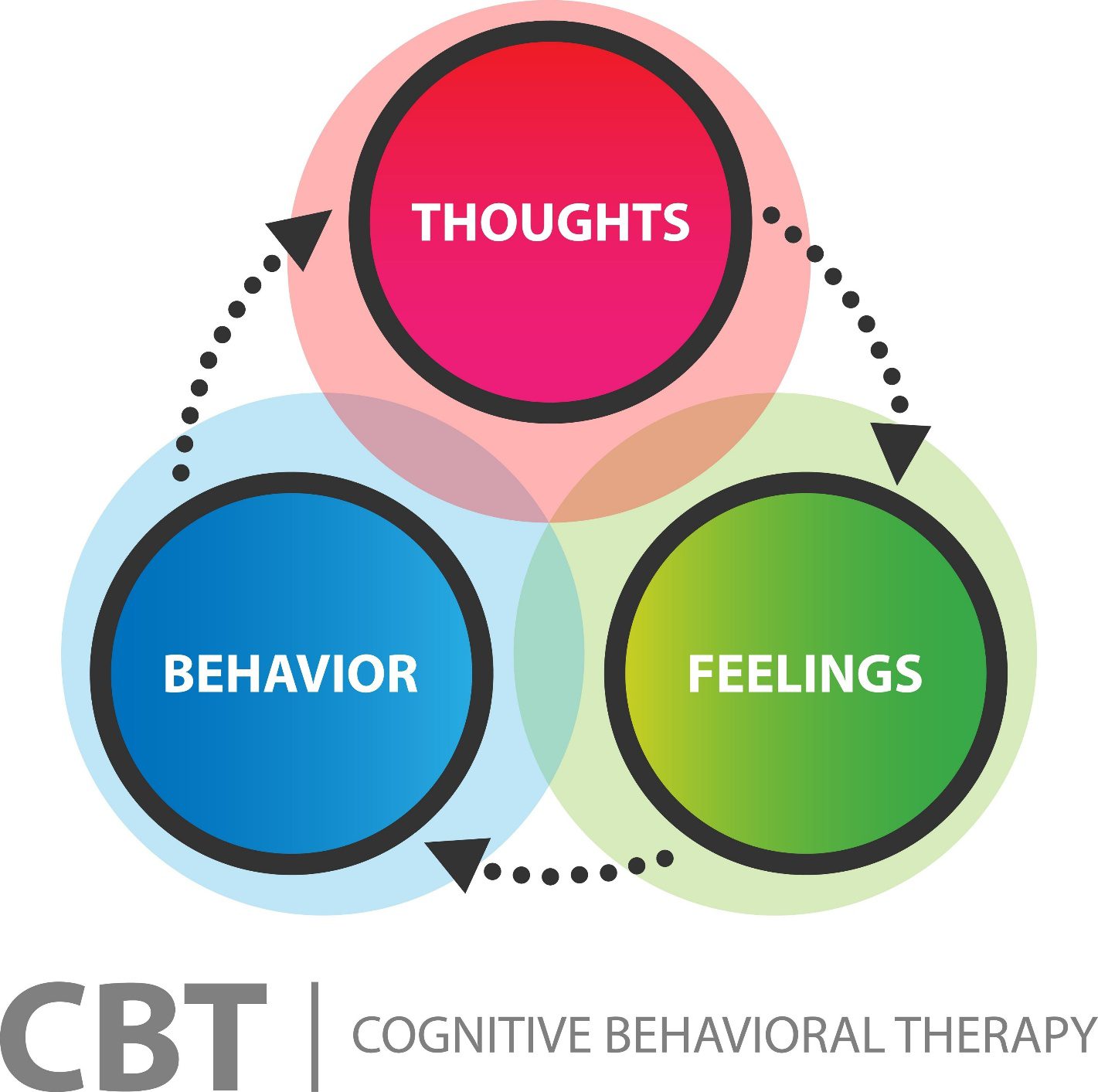
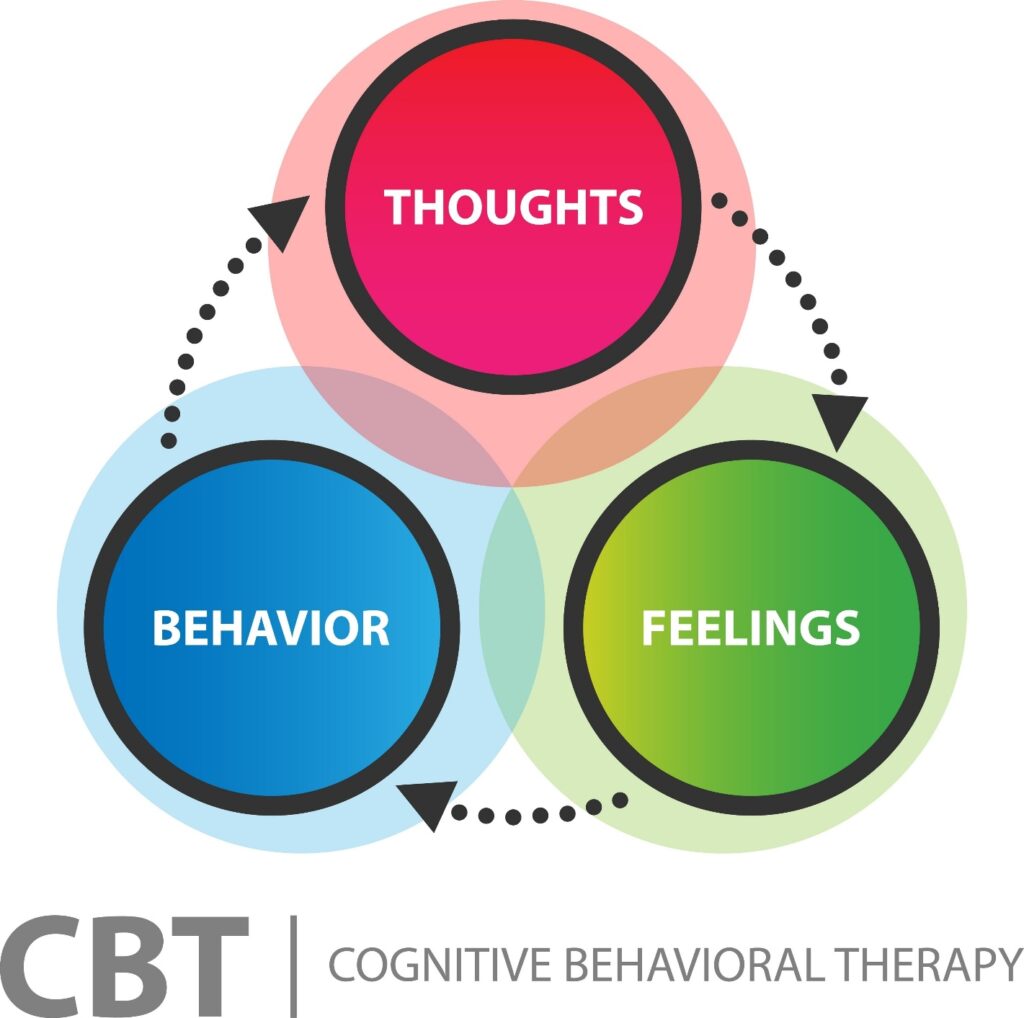
This article is a healing guide specifically designed to address those lasting patterns. We will use the pragmatic, evidence-based framework of Cognitive Behavioral Therapy (CBT) to systematically challenge the survival scripts your mind wrote decades ago. By combining powerful cognitive reframing with actionable behavioral and body-based techniques, you can move from merely surviving to genuinely thriving.
The Lasting Impact on Adults
Growing up in a high-conflict household—where frequent arguing, criticism, or emotional volatility was the norm—can leave lasting emotional and cognitive patterns.
- Chronic Anxiety or Hypervigilance: This is a state of constant alertness, often making the adult feel unsafe even in safe environments. The nervous system learned to scan for danger, leading to chronic physical tension and exhaustion.
- Difficulty Trusting Relationships: In a high-conflict family, primary relationships were unpredictable or unsafe. This often results in a fear of intimacy, a tendency to push people away, or an inability to believe that close relationships can be reliable and peaceful.
- Internalized Guilt, Shame, or Self-Blame: As children, it was often safer to believe the conflict was their fault rather than admit the caregivers were unreliable. This leads to a powerful inner critic and deep feelings of unworthiness.
- Overreacting or Withdrawing in Stressful Situations: Adults may default to “fight” (anger, defensiveness, or lashing out) or “flight/freeze” (emotional withdrawal, people-pleasing, or avoidance) when triggered, reflecting their ingrained childhood survival scripts.
These patterns are not personal failings—they are learned survival strategies. Cognitive Behavioral Therapy (CBT) provides evidence-based tools to retrain your mind and nervous system, helping you respond to stress with clarity, calm, and resilience. For a deeper look at your early life influences, you can read more in All Writings and Books.
Phase 1: Recognizing Learned Patterns and Cognitive Distortions
1. Identify Your Automatic Thoughts
High-conflict families teach survival-based thinking. Here are more common cognitive distortions:
| Cognitive Distortion | Example Thought | How It Shows Up in Adulthood |
| Catastrophizing | “If I speak up, everyone will get angry at me.” | Avoidance of conflict, anxiety |
| Mind Reading | “They didn’t text me; they must be upset.” | Over-analyzing others’ behavior |
| All-or-Nothing Thinking | “If I make one mistake, I’m a failure.” | Perfectionism, self-criticism |
| Personalization | “It’s my fault that they are upset.” | Chronic guilt, shame |
| Emotional Reasoning | “I feel overwhelmingly anxious, so I must be in danger.” | Difficulty trusting current safety, emotional avoidance |
| Should Statements | “I should always put others first to keep the peace.” | Self-sacrifice, resentment, burnout |
2. CBT Exercise: Thought Record
Track triggers and automatic thoughts. Use CBT reframing to find a Balanced Thought:
| Situation | Emotion | Automatic Thought (Distortion) | Balanced Thought (CBT Reframe) |
| Conflict with a coworker | Anxiety (8/10) | “I’ll mess everything up if I speak up.” (Catastrophizing) | “I can express my perspective calmly. One minor mistake doesn’t define my competence.” |
| Friend cancels dinner plan | Sadness (7/10) | “I knew it, I’m not important enough.” (Personalization) | “My friend is likely busy or tired. It has nothing to do with my worth.” |
| Receiving praise at work | Discomfort (6/10) | “I don’t deserve this; they’ll find out I’m a fraud.” (All-or-Nothing Thinking) | “I worked hard for this. I can accept this compliment, and my competence is real.” |
| A partner seems preoccupied | Fear (9/10) | “They are unhappy with me and are going to leave.” (Mind Reading, Catastrophizing) | “I cannot read their mind. I can gently ask what’s on their mind, or I can focus on my own tasks until they are ready to talk.” |
| You successfully say “No” to a family request | Guilt (7/10) | “I am selfish and cruel for disappointing them.” (Should Statements, Labeling) | “Setting a healthy boundary is an act of self-respect, not selfishness. I am allowed to prioritize my energy and well-being without being judged as cruel.” |
This method strengthens rational thinking and reduces automatic emotional reactivity. For free CBT tools and worksheets, visit our resource page. You can also work on breaking free from limiting beliefs by learning how to Break Free from Limiting Beliefs.
Phase 2: Challenging the Inner Critic
Adults from high-conflict homes often carry an internalized critic, a voice echoing past family criticism. If you want more guidance on Conquering the Inner Critic, read our dedicated article.
1. Reality Testing
Ask three questions when the critic speaks:
- Is this thought 100% true?
- What alternative explanation exists?
- What would I tell a friend in this situation?
2. Decentering the Thought
Instead of fusing with thoughts, observe them:
“I notice I am thinking, ‘I must control this conversation.’ This is just a thought, not a fact.”
Decentering reduces emotional reactivity and activates the prefrontal cortex, which regulates the stress response.
Phase 3: Rewriting Trauma-Based Beliefs
1. Identify Toxic Core Beliefs
High-conflict environments often instill beliefs like:
- “I am unworthy of care.”
- “Conflict is dangerous.”
- “I am responsible for others’ emotions.”
2. CBT Technique: Evidence Collection and Reframing
For each core belief, collect behavioral evidence to create a powerful CBT reframe:
| Core Belief | Example of Survival Thought | Evidence Against | Reframed Belief (The Goal) |
| Unworthiness | “I am unworthy, so I must earn love by helping everyone.” | Friends have supported me; I succeeded at work; I am in a safe apartment I earned. | “I am capable and worthy of care, even if past experiences suggested otherwise. My worth is innate.” |
| Danger | “If things are calm, something bad is about to happen.” | The last three calm days were fine; I am in control of my environment now. | “I can engage in conflict constructively without danger, and I can trust periods of calm.” |
| Responsibility | “I must anticipate everyone’s needs or they will be angry at me.” | I have successfully allowed my partner to manage their emotions; adults are responsible for themselves. | “I am only responsible for my own feelings and actions, not for controlling the emotions of others.” |
| Defectiveness | “If people really knew me, they would leave.” | My loved ones know my flaws and have stayed; past family criticism was inaccurate. | “My true self is acceptable. People who love me see my whole self and choose to stay.” |
| Unlovability | “My emotions are too much for others; if I show vulnerability, I’ll be rejected.” | A trusted friend listened to me cry last week and offered support; my partner responded to my emotional needs calmly. | “Expressing my needs and true feelings is necessary for connection. Vulnerability is a strength that allows true love to enter my life.” |
This core belief work is essential for healthy CBT relationships and love growth.
Phase 4: Behavioral Techniques for Emotional Regulation & Boundary Work
CBT emphasizes behavioral activation to reinforce cognitive changes. This is where you practice new ways of existing that contradict your past survival script. For practical CBT for Emotional Regulation, see our dedicated guide.
1. Small, Purposeful Actions
Engage in tasks that prove your competence:
- Practice assertive communication
- Prioritize self-care
- Honor commitments to yourself (a core behavioral shift)
2. Exposure to Triggers
Gradually face challenging situations, starting with low-intensity interactions. This desensitizes your nervous system and builds confidence in managing conflict. For example:
- Text a friend with a small concern
- Initiate a short work-related discussion
- Address minor household conflict
To understand your reactions better, read about Recognizing Emotional Triggers.
3. Establishing and Maintaining Boundaries
In high-conflict families, boundaries were often invisible or violently crossed. A key CBT behavioral tool is practicing assertiveness and setting limits. This is crucial for adults who default to people-pleasing or withdrawal.
- Cognitive Prep: Before setting a boundary, use a Thought Record to challenge the Catastrophizing thought (“They will hate me if I say no”).
- Behavioral Scripting: Write down and practice a clear, calm, and concise “No” or boundary statement (e.g., “I can’t take on that task right now, but thanks for asking”).
- Mindful Discomfort: Expect the immediate discomfort (guilt, anxiety) that comes with asserting yourself. This feeling is the inherited anxiety responding to a change in the old family rules. Acknowledge the feeling without letting it override the boundary. Setting boundaries is key to Self-Love.
Phase 5: Integrating Mind, Body, and Behavior
Healing the nervous system from the chronic state of alert required by a high-conflict home needs more than just cognitive work. It requires integrating body-based techniques to regulate the Vagus nerve. This is vital for achieving Inner Peace and Calm.
1. Vagus Nerve and Emotional Resilience
The Vagus nerve is the main pathway of the parasympathetic (rest and digest) nervous system. Adults from high-conflict families often have a hyperactive sympathetic (fight or flight) system. Regulating the Vagus nerve directly calms this stress response.
- Actionable Techniques:
- Deep Diaphragmatic Breathing: Slow, deep breaths (e.g., 4 seconds in, 6 seconds out) signal safety to the brain.
- Vocal Toning: Humming, singing, or gargling engages the vocal cords, stimulating the Vagus nerve and promoting calm.
- Cold Exposure: Splashing cold water on your face can trigger the dive reflex, quickly slowing the heart rate and calming the nervous system.
You can find more advanced strategies for coping with anxiety and trauma on the National Institute of Mental Health (NIMH) website.
2. The Triumphant Thought Log
Document successful coping:
- Trigger: Family disagreement
- Old Thought: “I’ll ruin everything.”
- New CBT Thought: “I can respond calmly; disagreement doesn’t mean failure.”
- Outcome: Managed conversation without anxiety spike, used Vagus nerve calming breath afterward.
3. Self-Compassion Integration
- Mindfulness: Notice emotions without judgment
- Common Humanity: Recognize others experience challenges too
- Self-Kindness: Offer yourself patience and understanding
Phase 6: Rebuilding Trust in Self and Others
High-conflict environments are breeding grounds for broken trust, which results in lifelong difficulty with intimacy, commitment, and self-reliance. Rebuilding trust requires challenging the inherent skepticism learned in childhood.
1. Reclaiming Self-Trust (The Inner Dialogue)
Self-trust is the foundation of recovery. If you couldn’t rely on your caregivers to be safe or consistent, you learned to distrust your own judgment. To enhance your Self-Trust and Intuition, practice these steps.
- Practice Self-Validation: When you feel a strong emotion (e.g., anger, fear), acknowledge it instead of dismissing it. Use the CBT technique: “I feel X, and that is a valid response to this situation.”
- Keep Small Promises: Start by keeping small, deliberate promises to yourself (e.g., “I will take a 15-minute walk today”). This provides tangible evidence against the core belief of unreliability.
2. Building Trust with Safe Individuals (Behavioral Experiments)
Trust in others must be built gradually through new, corrective experiences that directly contradict past trauma. For related insights on relationships, see our articles on CBT and Secure Dating or healing from Trauma Bonds.
- Seek Predictability: Choose friends or partners whose behavior is generally consistent and reliable. Look for evidence of “low drama” and clear communication, which is the opposite of the high-conflict pattern.
- Behavioral Experiments: Test the waters in small, controlled ways. For instance, share a minor vulnerability with a trusted friend and observe their response. When their response is supportive, it creates a new, positive data point to challenge the distortion of “People can’t be trusted.”
Phase 7: Maintaining Long-Term Healing and Growth
Recovery from a high-conflict background is not a destination but a continuous process of growth. It requires proactive maintenance and integration of learned skills. For an overall framework, consider the Holistic Self-Improvement: 5 Pillars.
1. Relapse Prevention Planning
It’s inevitable that stress or highly triggering situations will cause you to slip back into old patterns. A plan helps you recover quickly.
- Identify High-Risk Situations (HRS): Know what specifically triggers your survival patterns (e.g., holidays, aggressive tone of voice, family contact).
- Develop Coping Scripts: Create a written plan for each HRS. Example: If family contact causes Catastrophizing, the script is: “I will limit the call to 15 minutes, use Vagus nerve breathing throughout, and immediately call a supportive friend afterward.”
2. Shifting Identity from “Survivor” to “Thriver”
Long-term healing involves moving beyond viewing yourself solely through the lens of trauma and recognizing the strengths you gained. This shift requires the kind of growth covered in CBT Growth Mindset Techniques.
- Focus on Gained Strengths: Acknowledge your empathy, resilience, and observational skills. These are assets developed from having to survive a difficult environment.
- Engage in Purpose-Driven Activities: Find activities that give you meaning and a sense of contribution. This reinforces your competence and worth outside the context of past conflict. To explore personal growth tools for this shift, visit our “About Me” page.
Frequently Asked Questions (FAQs)
Q: Can CBT help me heal from high-conflict family trauma?
A: Yes, CBT provides practical strategies to reframe thoughts, regulate emotions, and build resilience, even long after leaving the family environment.
Q: How long before I see results?
A: Thought and behavior changes can be noticeable within weeks, but deeper core belief restructuring and nervous system regulation may take months of consistent practice. To support your progress, consider our CBT Courses and Personal Development Mindset Programs.
Q: Do I need a therapist for CBT?
A: Self-help CBT exercises are effective, but professional guidance can safely address deep-seated trauma and support complex family dynamics. For resources on finding quality behavioral healthcare, consult the National Institute of Mental Health (NIMH). Remember, if you are experiencing a crisis, please seek emergency support immediately.
Actionable Resources
- Healing Your Mind with CBT: Overthinking, Procrastination, and Growth Mindset
- The Ultimate Guide to Self-Compassion: Practical exercises to calm your nervous system
- CBT Worksheets for Emotional Regulation and Boundary-Setting (linkable resource)
