
Managing Decision Fatigue: Streamlining Choices with CBT and Cognitive Load Reduction
By: Mary Walden for BetterMindClub.com
Introduction: The Hidden Drain of Decision Fatigue ✨
In the modern world, the sheer volume of choices—from what to eat, what email to answer first, to which software solution to buy—creates a condition known as Decision Fatigue. This isn’t just ordinary tiredness; it’s a measurable state of mental exhaustion that degrades the quality of your decisions, reduces your willpower, and makes you more prone to poor judgment (impulsivity or analysis paralysis).
This guide from BetterMindClub.com provides actionable, science-backed strategies rooted in Cognitive Behavioral Therapy (CBT) and Cognitive Load Theory to help you automate low-stakes choices and reserve your mental energy for what truly matters.
Understanding the Mechanism: Cognitive Load Theory and the Ego Depletion
Decision fatigue is explained by two core concepts:
- Cognitive Load: Your working memory has a finite capacity. Every piece of information, every choice, and every distraction contributes to your total cognitive load. Decision-making is an effortful process that quickly maxes out this capacity. To learn more about how this mechanism impacts learning and performance, explore resources on Cognitive Load Theory from the National Library of Medicine.
- Ego Depletion: Each decision draws from a single, limited pool of mental energy (often called “willpower”). The more minor decisions you make early in the day, the less capacity you have left for significant, high-stakes decisions later. This depletion makes you tired, irritable, and likely to default to the easiest choice (often an impulse buy or procrastination). For further reading on the science of willpower and its limits, consult the American Psychological Association’s resources on the Science of Willpower.
Key Strategy: Automating Choices with CBT Principles
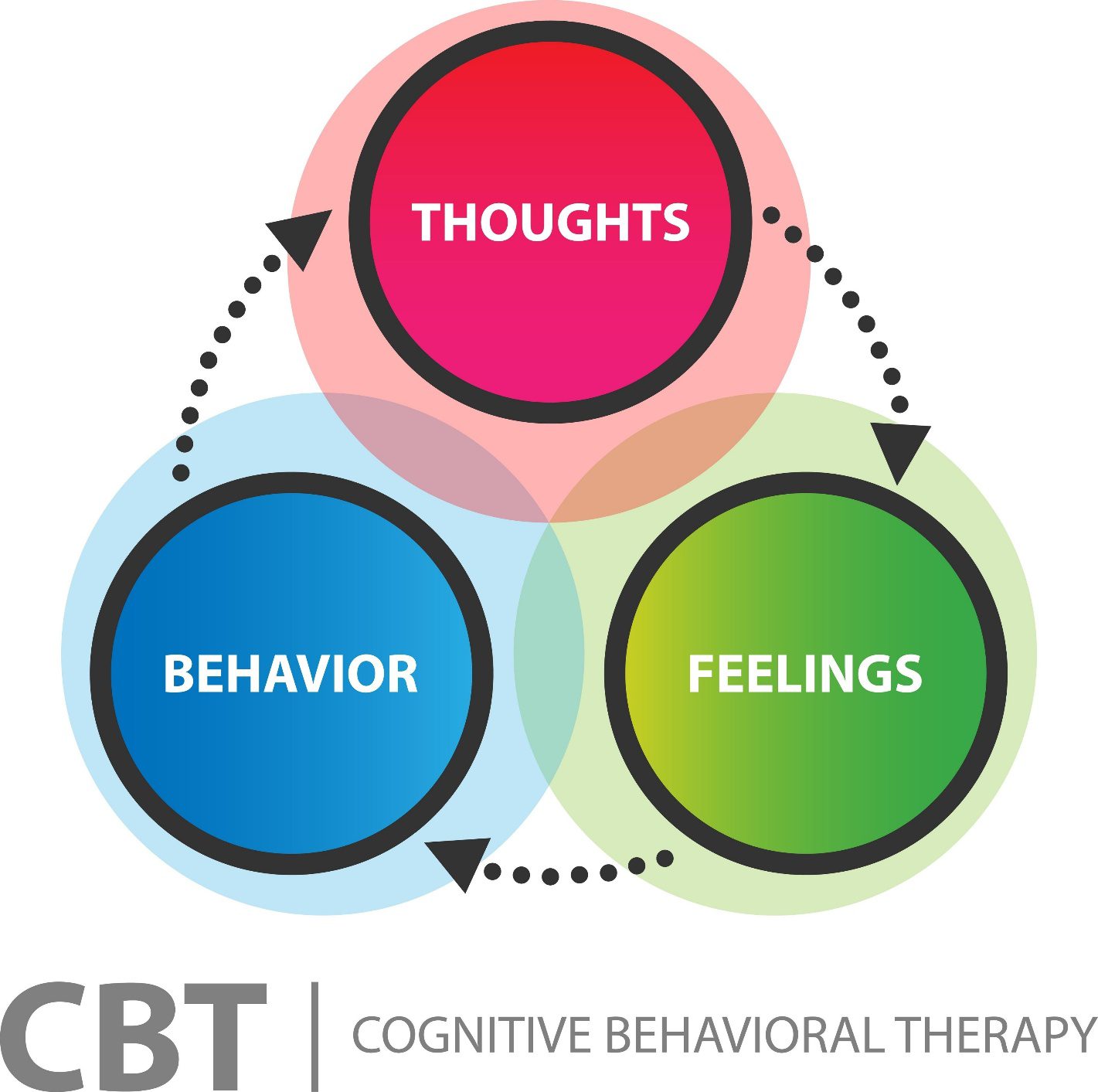
CBT focuses on restructuring unhelpful patterns. When applied to decision fatigue, the goal is to identify choices that generate undue stress or consume disproportionate cognitive energy and turn them into automated routines.
| CBT Principle | Application to Decision Fatigue | Example Action |
| Cognitive Restructuring | Challenging the belief that allchoices require intensive analysis. | Replacing the thought “I must find the optimal lunch option” with “A healthy choice is sufficient.” |
| Behavioral Activation/Scripts | Establishing pre-set routines (scripts) for common decisions to eliminate choice. | Wearing the same type of clothes daily; designating specific times for email processing. |
| Goal Setting | Prioritizing decisions based on long-term values rather than short-term whims. | Setting a clear personal or professional “North Star” goal to immediately filter out irrelevant decisions. |
I. Streamlining Daily Life: Reducing Extraneous Load
The most effective way to combat decision fatigue is to eliminate non-essential choices, often referred to as “low-stakes decisions,” before they even register.
Actionable Tips for Daily Automation:
- Actionable Tip 1: The Wardrobe Uniform Reduce the cognitive load associated with appearance. Adopt a simple, fixed wardrobe style or color palette for your workday. This is why many successful leaders wear the same outfit daily.
- Actionable Tip 2: The Meal Plan Script Pre-decide your breakfast and lunch for the entire week on Sunday. This eliminates two demanding cognitive tasks (What to eat? When to prepare it?) every day.
- Actionable Tip 3: The Inbox Batch Only check and respond to emails or messages at specific, pre-determined times (e.g., 9:00 AM, 1:00 PM, 4:00 PM). This creates a boundary, removing the constant stream of low-grade decisions about interruptions.
- Actionable Tip 4: “Later List” for Small Tasks Create a list where you immediately transfer any non-urgent, non-critical task or idea that pops into your head (e.g., “Must buy batteries”). Process this list once per week. This ensures the small choice doesn’t interrupt your current focus. To deepen your understanding of internal states and how to manage intrusive thoughts, explore our article on Mind Over Matter Beyond Thoughts.
II. Reducing High-Stakes Fatigue: Cognitive Load Management
For complex decisions that must be made, the goal shifts from automation to process reduction to minimize the working memory effort.
Actionable Tips for Complex Choices:
- Actionable Tip 1: The Two-Criteria Filter When faced with a major choice (e.g., selecting a vendor or project), define only two absolute, non-negotiable criteriaupfront. Immediately discard any option that fails one of these two criteria. This sharply reduces the cognitive load of comparison.
- Actionable Tip 2: The 70% Rule Accept that “perfect” is the enemy of “good.” Commit to making a decision once you are 70% confident in the outcome, rather than waiting for 100% certainty. The extra effort for the last 30% often yields minimal returns but consumes maximum willpower. Learn strategies for improving emotional control and reducing anxiety about uncertainty in our guide to Emotional Regulation Techniques.
- Actionable Tip 3: Externalize the Load Avoid taxing your working memory by keeping details in your head. Write down all options, pros, cons, and data points on a whiteboard or paper. Seeing the information reduces the load on your internal memory storage.
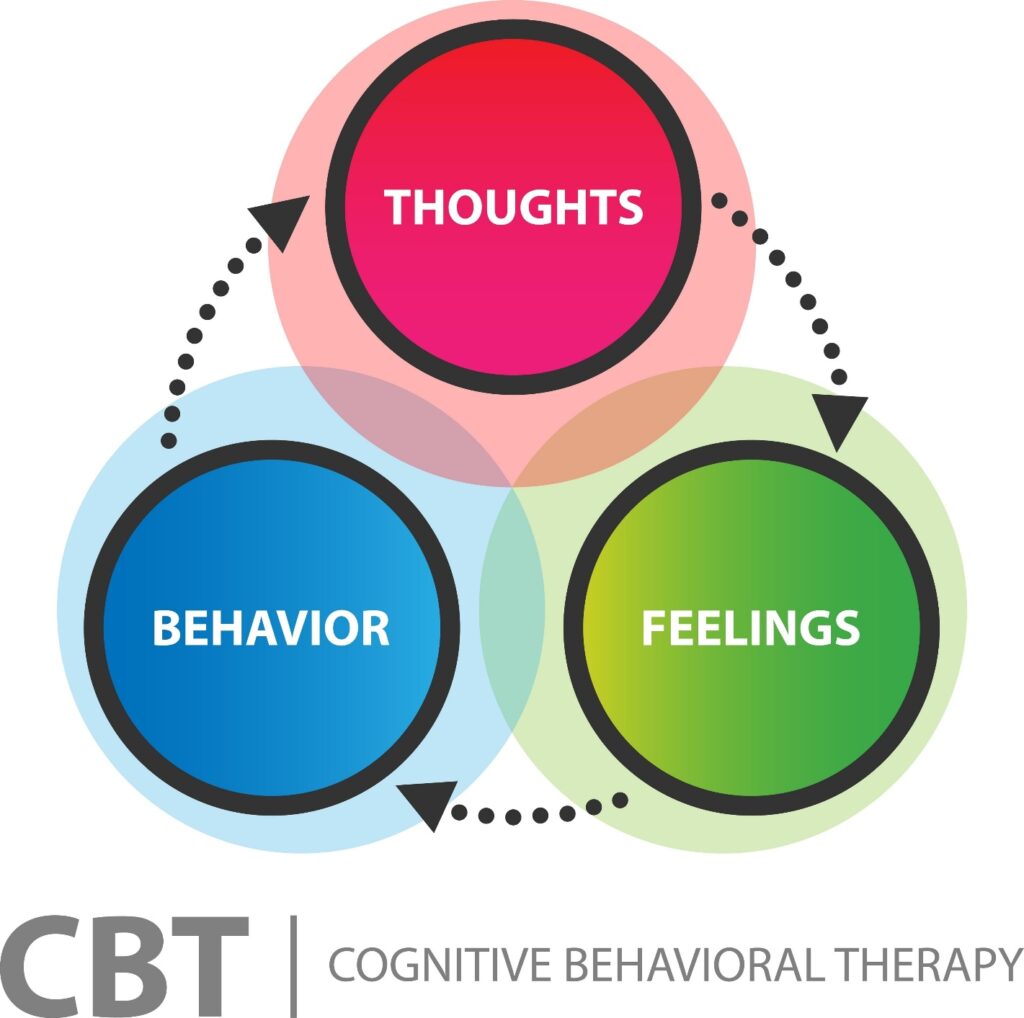
This concept aligns with the CBT principle of externalizing thoughts.
- Actionable Tip 4: Consult the “North Star” Before making a high-stakes decision, pause and verbally state your ultimate long-term goal. Ask, “Does this option move me closer to my North Star or distract me?” This aligns the choice with motivation, preventing depletion-induced apathy. For more strategies on aligning action with internal drive, see our program, Mind Over Matter for Adults: Transforming Thoughts into Action.
III. Protecting Willpower: Environmental and Time Controls
Effective management of decision fatigue requires controlling the environment and timing of your choices to protect your finite mental resources.
Actionable Tips for Willpower Protection:
- Actionable Tip 1: The Morning Priority Rule Schedule your most important, cognitively demanding decision or task for the first 90 minutes of the day. This leverages the time when your decision-making capacity is at its peak.
- Actionable Tip 2: Buffer Against Shopping Avoid browsing or shopping, even online, when mentally depleted. Decision fatigue makes you vulnerable to impulse purchases and poor financial choices. For resources on controlling impulsive spending, consult the National Institute of Mental Health (NIMH) guide on Stress Management.
- Actionable Tip 3: Delegate the Trivial If you lead a team or run a household, create clear protocols for low-stakes decisions (e.g., “Always use the cheapest supplier,” “Always order the standard stationery”). This pushes the cognitive load down, freeing up the leader’s bandwidth for strategic decisions.
- Actionable Tip 4: Schedule Recovery Time Recognize decision fatigue as a real form of exhaustion. Schedule periods of true mental downtime (meditation, walking without a phone, deep work) to allow your cognitive resources to replenish. For resources on reducing general life stress, see our page on Stress Reduction Strategies.
IV. Social Fatigue: Making Decisions Together
Decision fatigue often compounds in relationships (work or personal) when choices are shared. Streamlining this process is key to maintaining harmony and joint productivity.
Actionable Tips for Shared Decisions:
- Actionable Tip 1: The Default Partner Rule For low-stakes, recurring decisions (e.g., choosing dinner, scheduling a weekend activity), appoint one partner as the “default decider” for that specific category for a set period. The other partner only has veto power, minimizing back-and-forth communication fatigue.
- Actionable Tip 2: Pre-Agreement for Conflict Agree on a clear, impartial decision-making metric before conflict arises (e.g., “If we disagree on a major purchase, we must wait 48 hours and check the budget three times”). This removes the emotional load from the moment of depletion. For guidance on setting healthy boundaries and managing conflict, refer to our module on Mind Over Matter Transforming Relationships for Couples.
- Actionable Tip 3: Use Closed Questions When soliciting input from a fatigued team or partner, avoid open-ended questions (e.g., “What should we do?”). Instead, present a choice between two pre-vetted options: “Do we proceed with Option A or Option B?” This significantly lowers the response effort. To improve team and interpersonal effectiveness, explore our guide to Communication Skills.
V. Advanced Strategies: Mitigating Cognitive Biases
Decision fatigue makes you vulnerable to known cognitive shortcuts (biases) that derail good judgment. High-EQ decision-makers guard against these shortcuts.
Actionable Tips for Bias Reduction:
- Actionable Tip 1: Counter the Anchoring Bias When evaluating a price or timeline, always generate a completely independent estimate before looking at the first number presented. This prevents the “anchor” from setting the boundary of your analysis.
- Actionable Tip 2: The “Future Self” Check When making an impulsive choice (especially a purchase), pause and perform a Socratic Questioning check: Ask, “How will I feel about this decision 72 hours from now?” This forces the prefrontal cortex to engage long-term value over short-term gratification.
- Actionable Tip 3: Formalize the Exit Strategy Before committing to a major decision (e.g., a contract, a long-term plan), explicitly write down the condition under which you would cancel or exit the decision. This counters the Sunk Cost Fallacy by pre-approving the option of quitting.
VI. Environmental Nudges: Physical and Digital Optimization
Your immediate surroundings—both physical and digital—are constant sources of visual and informational noise that contribute to extraneous cognitive load. By simplifying and structuring these environments, you save mental energy for deliberate thought.
Actionable Tips for Environmental Control:
- Actionable Tip 1: The “Choice Architect” Desk Physically arrange your workspace so that the materials needed for your Morning Priority Rule task (Section III) are immediately accessible and visible. Conversely, hide anything that prompts a non-essential decision (e.g., magazines, secondary task piles, decorative items that demand attention).
- Actionable Tip 2: Digital Decluttering Immediately delete or archive old, non-essential files, apps, and computer shortcuts that require even a moment’s consideration when you encounter them. Every messy desktop icon or unused app on your phone represents a tiny, unnecessary decision point.
- Actionable Tip 3: Notification Triage Audit all phone and computer notifications. Disable non-essential notifications completely. For critical alerts, use the Two-Criteria Filter (Section II) to determine if the alert requires immediate attention (e.g., “Must be from the CEO” AND “Must be related to current project”). If not, it can wait for the Inbox Batch (Section I).
- Actionable Tip 4: Create Friction for Impulse Introduce a small, physical barrier to high-fatigue decisions. For instance, put your wallet or credit card in a separate room or behind a locked drawer during your peak working hours. This friction acts as a moment of Self-Regulation (related to CBT) that breaks the impulse chain and forces the rational brain to engage.
Conclusion: Living Life by Design, Not by Default
Decision Fatigue is a signal that your life is driven by reaction rather than intention. By applying the structured, simplifying principles of CBT and Cognitive Load reduction—namely, by automating the small choices and streamlining the big ones—you can conserve your limited mental resources. This allows you to regain control, reduce stress, and make truly deliberate choices that align with your long-term goals.
👉 Ready to assess your current cognitive load and identify areas of life demanding too much mental energy? Take our Free Downloadable CBT Tools and Guide to start streamlining your choices today.
Frequently Asked Questions (FAQs) About Decision Fatigue
- Q: What is the main psychological cause of decision fatigue?
- A: The main psychological cause is ego depletion, the idea that willpower and decision-making ability draw from a single, finite mental resource that is exhausted through use.
- Q: Does decision fatigue affect everyone the same way?
- A: Yes, but people with high cognitive demands (like CEOs or parents) or people with conditions like anxiety may feel the effects more intensely or sooner in the day.
- Q: Why do I make more impulsive choices when I’m tired?
- A: When depleted, the rational, controlling part of your brain (prefrontal cortex) loses power, leading you to default to emotional, immediate gratification, or the path of least resistance.
- Q: Is “analysis paralysis” related to decision fatigue?
- A: Yes. Analysis paralysis (being unable to make a choice due to over-analysis) is often a precursor to decision fatigue, leading to mental exhaustion without actually having made a decision.
SEO Metadata
| Field | Value |
| SEO Title | Managing Decision Fatigue: Streamlining Choices with CBT & Load Reduction |
| Meta Description | Combat decision fatigue with actionable CBT techniques and cognitive load reduction strategies. Learn to automate choices and save mental energy for high-stakes decisions. |
| Meta Slug | managing-decision-fatigue-cbt-load-reduction |
| SEO Key phrase Focus | Managing Decision Fatigue |
