
Silencing the Inner Critic: How Self-Compassion + CBT Reduce Relapse Risk
Introduction: The Vicious Cycle of Relapse and the Inner Critic
The journey toward recovery, be it from addiction, depression, or chronic anxiety, is often derailed not by external obstacles, but by an internal saboteur: the Inner Critic.
The Critic’s Role in Relapse
- This critical voice is a master of shame, leveraging past mistakes to reinforce core beliefs like, “I am weak,” or “I am a failure.”
- When a slip-up or setback occurs—a common part of change—the Inner Critic shouts, “See? I told you you couldn’t change! Just give up.”
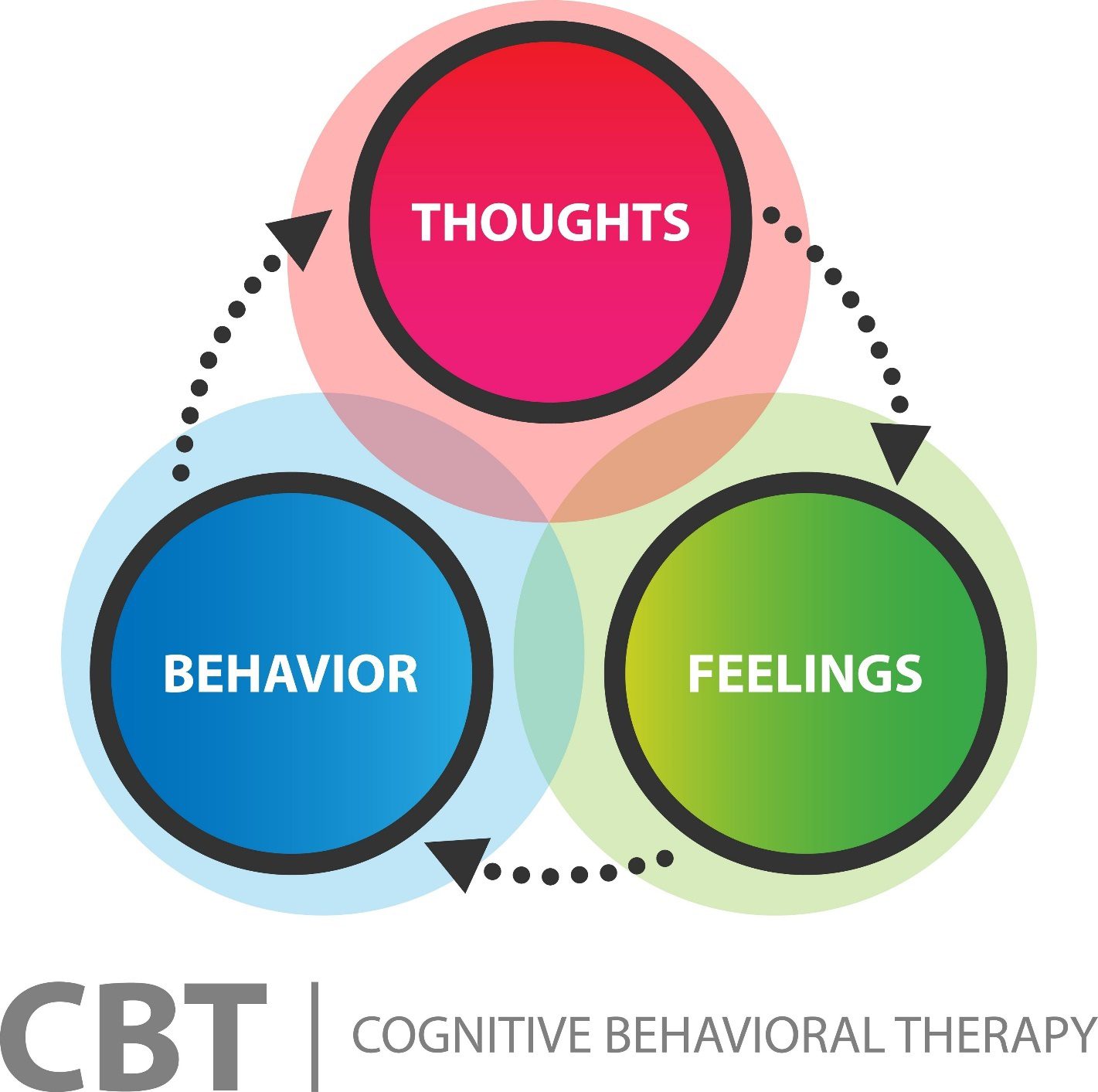
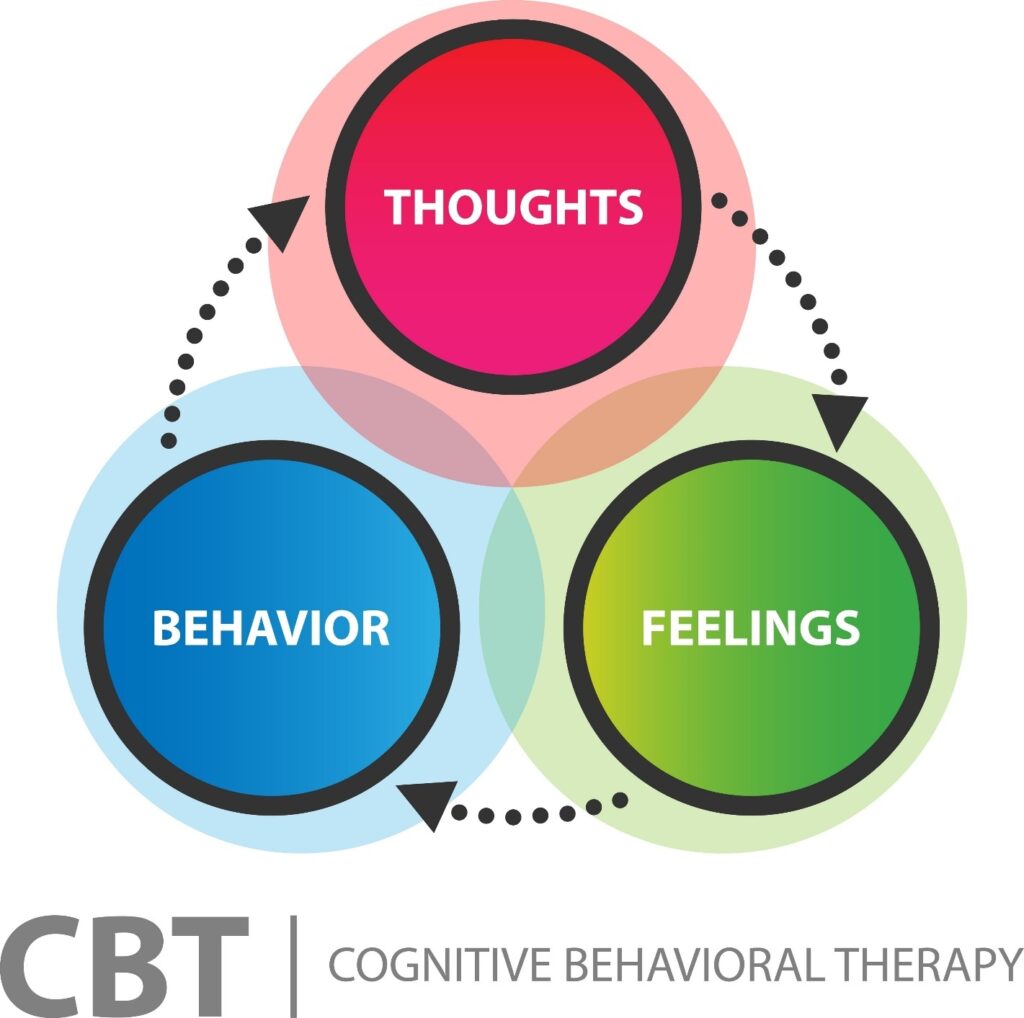
- This rush of self-judgment triggers emotional distress, which, in turn, increases the craving or compulsion to engage in the old, unhelpful behavior—the very definition of relapse risk.
The Dual Strategy for Lasting Recovery
To effectively build lasting recovery, we must disarm this critic. This article explores the powerful synergy between Cognitive Behavioral Therapy (CBT), used to challenge the critic’s thoughts, and Self-Compassion, used to neutralize the critic’s shame. Together, they create a robust defense against relapse.
Phase 1: Identifying the Critic’s Cognitive Distortions (CBT)
The Inner Critic speaks in absolutes, using the same cognitive distortions that fuel anxiety and depression. The first step is to recognize the critic’s script.
1. The Critic’s Core Scripts
The Inner Critic focuses on three main themes:
- Shame (“Being”): “I am a bad person because I made that mistake.” (Focuses on identity.)
- Helplessness (“Doing”): “I can’t handle this feeling. I’m too weak.” (Focuses on capability.)
- Doom (“Future”): “This setback means I’ll lose everything.” (Focuses on catastrophic future prediction.)
2. Spotting the Distortions in the Critic’s Voice
The critic’s attack is typically built on these faulty thinking patterns:
- All-or-Nothing Thinking (Dichotomous Thinking): “I ate one cookie, so the whole diet is ruined. I might as well binge.”
- Labeling: “I missed my appointment, so I am irresponsible/a terrible mother/a lazy person.” (Assigning a fixed, negative label to oneself based on a single action.)
- Magnification/Catastrophizing: “I had a negative thought, so I must be going crazy.”(Blowing the setback out of proportion.)
- Emotional Reasoning: “I feel terrible guilt right now, therefore, I must be a terrible person.”
When you recognize the critic’s voice as a pattern of distortion, you move the problem from a personal flaw to a thinking error, which is the first step toward CBT’s goal of creating a Balanced Thought. You can further explore how to correct these patterns to achieve a positive mindset and happiness through CBT mindest for growth.
Phase 2: Disarming Shame with Self-Compassion
CBT helps you change your thoughts, but Self-Compassion is what changes youremotional reaction to those thoughts. Self-compassion is not self-pity or letting yourself off the hook; it’s recognizing that suffering and imperfection are universal human experiences.
The Three Components of Self-Compassion
According to Dr. Kristin Neff, self-compassion has three core, interconnected elements:
- Self-Kindness vs. Self-Judgment: Instead of harshly judging yourself for a mistake, offer yourself warmth and understanding.
- Critic: “You idiot. You ruined everything.”
- Self-Kindness Response: “This hurts, and it’s frustrating. Let me be gentle with myself right now.”
- Common Humanity vs. Isolation: Recognize that every human struggles, fails, and feels pain. The mistake does not make you uniquely flawed.
- Critic: “No one else struggles like this. I’m completely alone.”
- Common Humanity Response: “Setbacks are part of being human. I am not the first person to feel this way, and I won’t be the last. I am connected to others in this struggle.”
- Mindfulness vs. Over-Identification: Observe the painful thought or emotion without getting swept away by it. Acknowledge the feeling without letting it define your identity.
- Critic: “I am a failure.”
- Mindfulness Response: “I am having the thought that I am a failure, and I am noticing the feeling of shame. This thought is not a fact.”
The Relapse Buffer
By activating Self-Compassion, you interrupt the shame response. Since shame and emotional pain are primary triggers for relapse, reducing them acts as a powerful Relapse Buffer. This self-help approach can be integrated into your pursuit of authenticity and better mental health through CBT self-help.
Phase 3: The Synergy of CBT and Self-Compassion
The most effective strategy is to combine the logic of CBT with the warmth of Self-Compassion. Use Self-Compassion to create a safe emotional space, and then use CBT to restructure the thought in that space.
The Self-Compassionate Thought Record
This modified version of the classic CBT thought record integrates the shame-busting step (Phase 2):
| Column 1: Situation & Automatic Thought (The Critic’s Voice) | Column 2: Emotional Impact | Column 3 (New): Self-Compassion Response | Column 4: Evidence & Balanced Thought (CBT Restructuring) |
| Example: “I had a disagreement with my boss and feel angry. Thought: ‘I am weak and can’t control my emotions.'” | Shame (9/10), Anger (7/10) | “It’s okay to feel stressed and angry; I am a human being facing a difficult situation. This feeling is temporary. I offer myself kindness.” | Evidence: I successfully calmed myself down an hour later. Balanced Thought: “I am capable of feeling and processing intense emotions without reacting impulsively. This anger is a signal, not a sign of weakness.” |
Self-Compassion as the Anchor
The goal of the Self-Compassion Response (Column 3) is to immediately lower the intensity of the negative emotion (especially shame) from, say, 9/10 to 5/10. Once the emotion is less overwhelming, the logical brain (the Prefrontal Cortex) can engage, making the task of Cognitive Restructuring (Column 4) possible. This technique is central to healing overthinking and improving your mindset with CBT.
Phase 4: Proactive Relapse Prevention Planning
Integration of these skills must be a deliberate, practiced part of a recovery plan.
1. Identify “Shame-Triggers”
Go beyond traditional trigger identification (e.g., specific places or people) and identify moments when your Inner Critic is loudest. This often occurs after:
- A perceived failure (e.g., getting a low grade, being criticized).
- A loss (e.g., end of a relationship, job loss).
- Overscheduling/Exhaustion (when self-control resources are depleted).
2. Create a “Self-Compassion First-Aid Kit”
Develop specific, non-judgmental phrases and actions to deploy immediately when the critic attacks:
- Mindful Touch: Place a hand over your heart or on your cheek to activate the body’s soothing system.
- Mantra: Say to yourself: “This is a moment of suffering. Suffering is part of life. May I be kind to myself in this moment.”
- The 5-Minute Pause: Commit to a 5-minute break before criticizing yourself or giving in to the urge. Use that time to review your Balanced Thought for the situation. Downloadable CBT tools can help structure this practice.
3. Practice Cognitive Reframing for Relapse
Reframing the relapse itself is the ultimate CBT/Self-Compassion test. The table below provides more examples of combining kindness (Self-Compassion) with reality testing (CBT) to reduce relapse risk.
| Inner Critic Attack (Thought) | Self-Compassion Response (Neutralizing Shame) | CBT Reframing for Resilience (Testing Reality) |
| “I ruined my streak. I am hopeless. I’ll never be able to quit.” (All-or-Nothing, Catastrophizing) | “It’s okay. Everyone slips up. This difficulty is a shared human experience, and this does not define my worth or my future.” | “This was a lapse, not a collapse. I can acknowledge the mistake, but I must also acknowledge the weeks of success. What is the single most important thing I can learn from this data to prevent it next time?” |
| “I feel overwhelming anxiety, so I must be too weak to handle life without my old coping mechanism.” (Emotional Reasoning, Helplessness) | “This is a painful feeling, and I will be gentle with myself. Feeling anxiety is normal when facing challenges. I am strong enough to sit with this feeling for five more minutes.” | “A feeling is not a fact. My old coping mechanism was a temporary band-aid, not a solution. I am going to use a new skill (e.g., box breathing) right now, which is evidence that I am capable of handling distress.” |
| “I snapped at my family. I am a terrible person and don’t deserve recovery.” (Labeling, Shame) | “I made a mistake, but I am not defined by that one action. My anger shows I am stressed, not that I am inherently bad. I can make amends.” | “The evidence is that I felt stress and reacted poorly. The rational thought is: I can apologize for the behavior and re-commit to practicing my communication skills. My effort for recovery yesterday proves I deserve support today.” |
| “I procrastinated all day. I’m lazy, worthless, and will never accomplish my goals.” (Labeling, Overgeneralization) | “I am tired and struggling today, just like every human does sometimes. This is a moment to rest and regroup, not judge.” | “The label ‘lazy’ is unfair and inaccurate. I achieved 90% of my goals last week. Today was a moment of burnout, and tomorrow I will focus on one small, manageable task to get momentum back.” |
Phase 5: The Neurobiology of Self-Criticism and Soothing Systems
Understanding why the inner critic feels so destructive is key to accepting the need for self-compassion. The inner critic activates the brain’s danger circuits, while self-compassion actively engages the brain’s soothing system.
1. The Threat System (Criticism)
- Self-criticism, shame, and self-judgment activate the sympathetic nervous system (the fight, flight, or freeze response), mirroring an external threat. This is managed by the brain’s amygdala and releases stress hormones like cortisol.
- Physiological Effect: Increased heart rate, tension, and a flood of negative emotion.
- Relapse Link: This distressed state is exactly what the addictive or compulsive behavior was originally used to numb or escape. The critical voice literally drives you back to the coping mechanism.
2. The Soothing System (Self-Compassion)
- Conversely, practicing self-kindness and mindful touch (like placing a hand on your heart) activates the parasympathetic nervous system (rest and digest) and the brain’s soothing system. This process helps achieve emotional regulation and stability with CBT.
- Hormonal Shift: Self-compassion releases oxytocin and endorphins, which counteract the cortisol from the threat system.
- Behavioral Outcome: This shift creates a feeling of safety and connection, which lowers the emotional distress and decreases the immediate need to engage in the old behavior. It allows the Prefrontal Cortex to stay online to execute the CBT strategies (Phase 3).
Self-Compassion is thus a deliberate, neurobiological intervention that shifts the brain state from panic (relapse risk) to calm (CBT readiness).
Phase 6: External Resources for Continued Support
To ensure lasting recovery and mental well-being, it is vital to utilize professional and government resources.
- To learn more about general mental health support: NIMH resource on caring for your mental health
- For broad mental health information and strengthening responses: CDC’s Mental Health portal and WHO’s guidance on strengthening our response to mental health challenges.
- If you are seeking specialized resources for young people: consult the U.S. Surgeon General’s report on youth mental health.
Frequently Asked Questions (FAQs)
Q: Is Self-Compassion the same as making excuses or self-pity?
A: No. Self-pity involves magnifying your own suffering and feeling isolated (“Why is this happening only to me?”). Self-Compassion, conversely, involves acknowledging your suffering with kindness and recognizing it as part of the Common Humanity (Phase 2), which is connecting with others. Self-compassion is about taking responsibility for your actions while treating yourself with the same warmth and support you’d offer a friend, leading to better problem-solving, not excuses.
Q: How long does it take for the Inner Critic to quiet down?
A: Silencing the critic is a long-term skill, not an overnight fix. Most individuals notice an immediate reduction in the intensity of shame and emotional distress (e.g., dropping from 9/10 to 5/10) within 2–4 weeks of daily practice (using the Self-Compassionate Thought Record). The shift from effortful self-compassion to the new, automatic habit of self-kindness can take 3–6 months or more, as you are literally retraining the brain’s neurobiology (Phase 5).
Q: My Inner Critic tells me I don’t deserve self-compassion. How do I challenge that?
A: This is a classic challenge. Use your CBT skills (Phase 1) to challenge the thought, “I don’t deserve compassion.”
- Challenge Question: What evidence supports the idea that only perfect people deserve kindness? Where did I learn this rule?
- Self-Compassion Response: Remind yourself: Compassion is a resource for healing, not a reward for perfection. You offer kindness because you are suffering, not because you are flawless. This rational challenge helps dismantle the belief that compassion must be “earned.”
Q: Can CBT and Self-Compassion be used for past trauma?
A: Yes, the combined approach is highly effective. Self-compassion is crucial for trauma recovery as it helps stabilize the nervous system (Phase 5) and reduces the shame often associated with traumatic memories. However, for deep, complex, or unresolved trauma, this work should ideally be undertaken in collaboration with a licensed trauma-informed therapist (such as one practicing CBT, Trauma-Focused CBT (TF-CBT), or EMDR), as professional guidance ensures safety and effective pacing.
Q: What is the most important component of the “Self-Compassion First-Aid Kit”?
A: The most effective component is Mindful Touch. This is because physical touch (like placing a hand on your heart or holding your own hand) directly and immediately activates the parasympathetic soothing system (Phase 5), releasing oxytocin and reducing cortisol. This physiological shift is the fastest way to interrupt the critic’s shame cycle and stabilize the emotional distress that leads to relapse.
Final Call to Action
The Inner Critic is loud, but it is not smart. It is a voice of the past, not the potential of your future. Start practicing the Self-Compassionate Thought Record today, combining kindness with rational challenge to build unstoppable resilience.
Visit BetterMindClub.com for Free Distress Tolerance Worksheets and our Library of Wellness Books
