Breaking the Story of “I Can’t Change”: Cognitive Restructuring for Hope and Resilience
Introduction: The Prison of the Inner Narrative
Everyone has an inner narrative—the continuous stream of thoughts and beliefs that dictate how we view ourselves, our capabilities, and our future. For many struggling with chronic issues, depression, or recovery, this narrative is dominated by the suffocating phrase: “I can’t change.”
This isn’t a simple lack of motivation; it’s a powerful cognitive distortion, a deeply ingrained, negative belief that acts as a self-fulfilling prophecy. When you believe, “I can’t change,” your brain stops looking for evidence of success, crippling your hope and resilience.
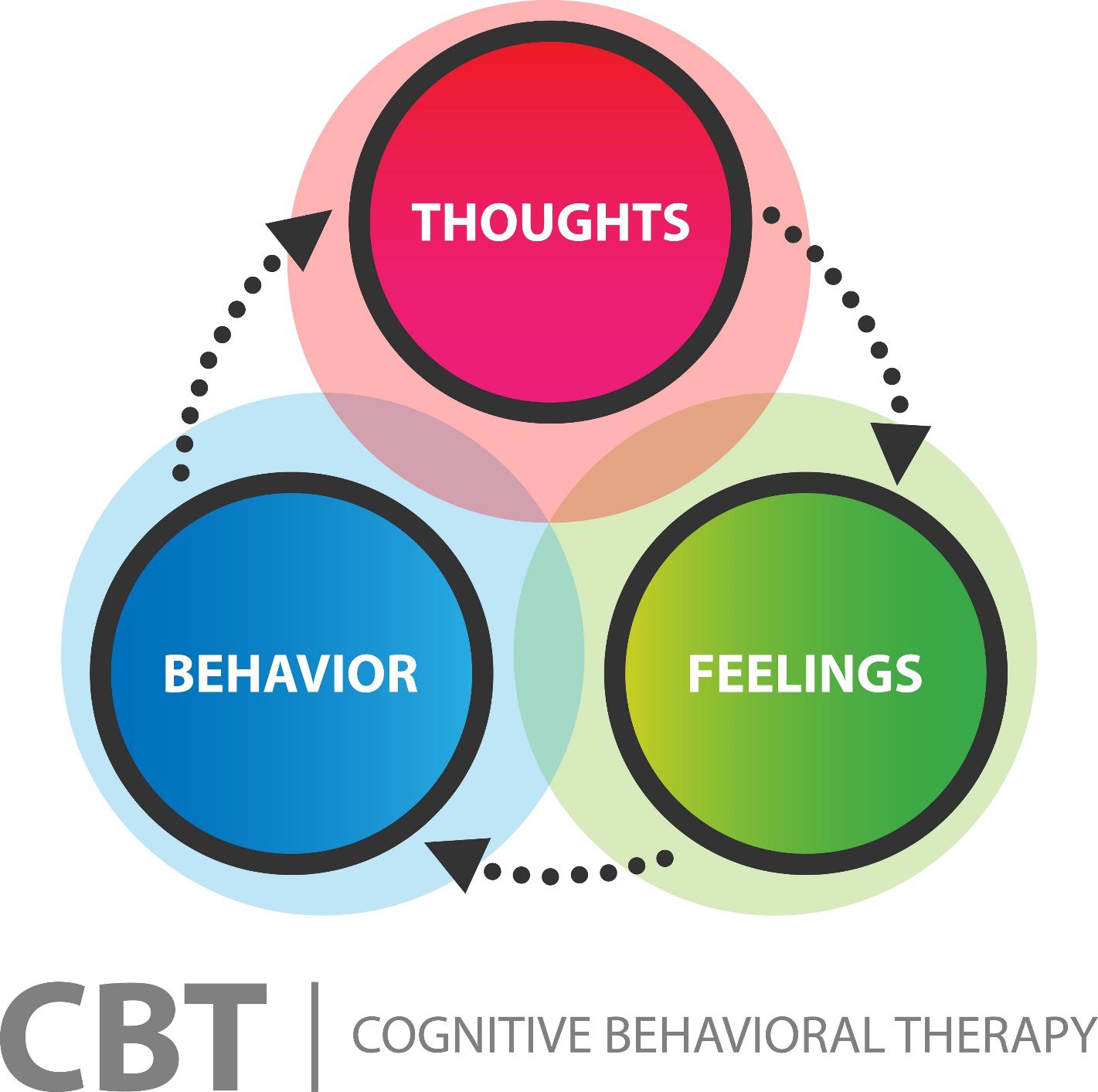
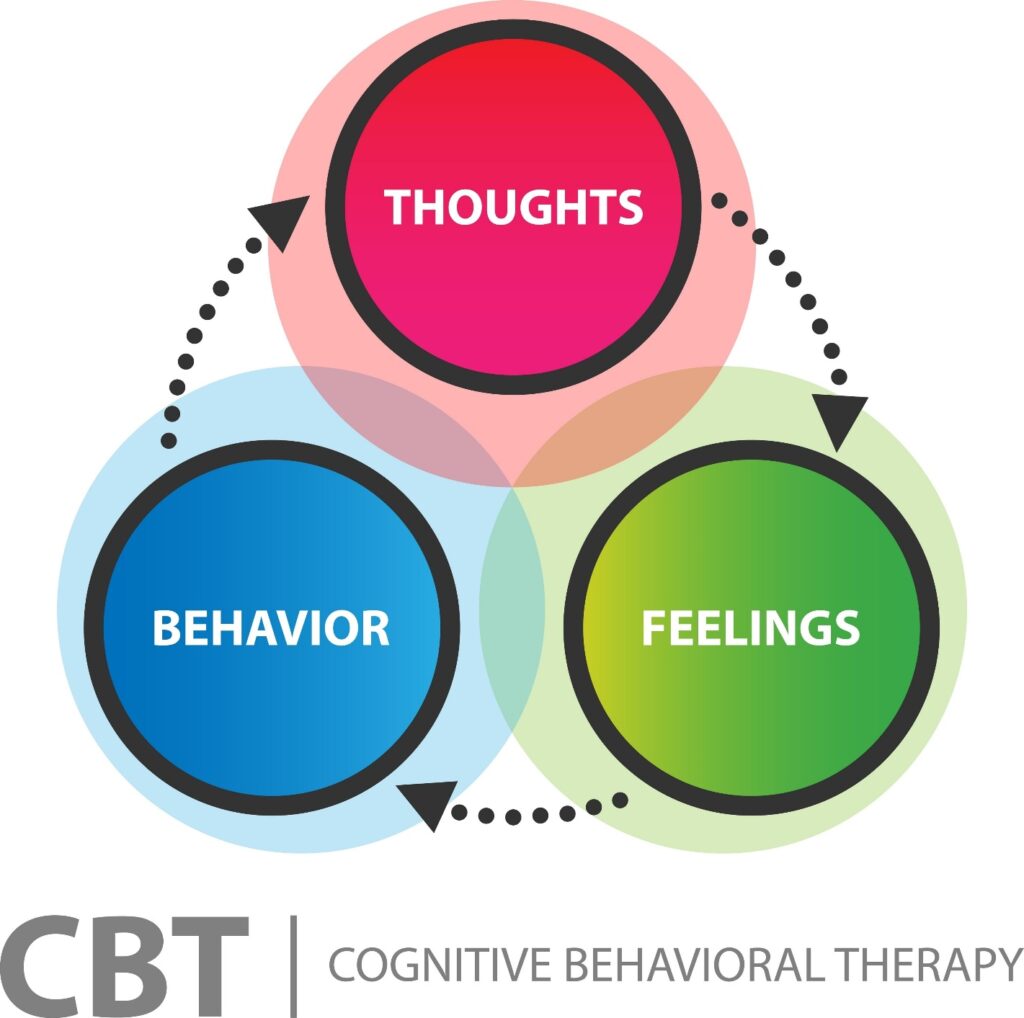
Cognitive Restructuring (CR) is the core technique of Cognitive Behavioral Therapy (CBT) designed to systematically dismantle this negative narrative. It teaches you to stop accepting limiting thoughts as facts and to actively construct new, hopeful, and resilient stories.
Phase 1: Identifying the “I Can’t Change” Story
Before you can rewrite your story, you must identify its current form and its effects. This involves pinpointing the specific, toxic core beliefs you hold.
1. Pinpointing Core Beliefs
The feeling of “I can’t change” usually stems from a handful of fundamental negative beliefs about the self, others, and the world.
| Domain | Negative Core Belief | The “I Can’t Change” Translation |
| Self-Worth | “I am defective/unlovable.” | “I can’t change because I am fundamentally flawed.” |
| Competence | “I am incompetent/a failure.” | “I can’t change because I always fail when I try.” |
| Control | “I am helpless/vulnerable.” | “I can’t change because the external world controls me.” |
2. Spotting Cognitive Distortions
These core beliefs are maintained by daily, faulty thinking patterns called cognitive distortions. Learning to identify them is the first step in dismantling the “I can’t change” narrative.
- All-or-Nothing Thinking: Seeing things in black and white. (e.g., “I missed one day of exercise, so the whole plan is ruined. I can’t change.”)
- Overgeneralization: Seeing a single negative event as a never-ending pattern. (e.g., “I got rejected for that job. I’ll always be a failure. I can’t change.”)
- Filtering: Focusing only on the negative and ignoring the positive. (e.g., “I did 10 things right, but I made one mistake, so I’m only focusing on the mistake. I can’t change.”)
- Should Statements: Believing things must be exactly as you expect. (e.g., “I should be recovered by now. Since I’m not, I’m obviously incapable of change.”)
- Emotional Reasoning: Believing something is true because you feel it is true. (e.g., “I feel hopeless, so my situation must actually be hopeless. I can’t change.”)
Phase 2: The Three-Column Technique (The Socratic Challenge)
Cognitive Restructuring is not about pretending to be happy; it’s about evaluating the evidence for and against your self-limiting beliefs. The Three-Column Technique is the foundational tool for this process.
Step 1: Record the Evidence
Keep a thought record and fill out these three columns when the “I can’t change” narrative appears:
| Column 1: Automatic Thought | Column 2: Emotional Impact | Column 3: Evidence Supporting the Thought |
| Example: “I’ll never be able to maintain this habit. I can’t change.” | Anxiety (8/10), Hopelessness (9/10) | Example: “I tried this last year and quit after two weeks. I failed yesterday.” |
Step 2: Challenge the Evidence
This is where you actively challenge the automatic thought by searching for counter-evidence—facts you typically filter out.
- Challenge Question 1: What evidence directly contradicts the thought?
- Counter-Evidence: “I maintained the habit for two weeks last year. That means I am capable of starting. I’ve successfully changed other habits, like drinking less soda.”
- Challenge Question 2: What is the worst-case scenario, and can I cope?
- Reframe: “The worst case is I quit again, but I learned something last time. Quitting is a data point, not a destiny.”
- Challenge Question 3: What would a trusted, objective friend say?
- External Perspective: “They would remind me that changing a big part of my life takes months, not days, and that temporary setbacks are normal.”
Step 3: Create the Balanced Thought
Synthesize the evidence from both sides to create a new, rational, and more resilient thought.
- Balanced Thought (New Narrative): “It is true that I have struggled to maintain this habit in the past, but the evidence shows I am capable of starting and learning. Change is hard, but it is possible. I will try again today.”
- Emotional Outcome: Anxiety (4/10), Determination (6/10).
Phase 3: Advanced Cognitive Challenging for Deep Change
For deeply rooted beliefs like “I can’t change,” simple evidence listing may not be enough. These techniques help challenge the source and utility of the belief.
1. The Historical Challenge (Investigating the Origin)
If you believe “I am fundamentally flawed,” ask: When did I first learn this thought?
- Goal: Separate the adult you from the child who internalized the belief.
- Questioning: “Did this belief originate from my own actions, or was it a painful lesson taught to me by someone else (e.g., a critical parent, a failed relationship)? Does a critical voice from the past still run my life today?”
2. The Cost-Benefit Analysis (Analyzing the Utility)
Ask: What is this negative thought doing for me right now? Paradoxically, negative thoughts often provide comfort (e.g., protection from the pain of trying and failing again).
| Costs of Holding the “I Can’t Change” Story | Benefits of Holding the “I Can’t Change” Story |
| Low mood, isolation, giving up, missed opportunities. | Protection from trying and failing, Excuse for inaction, Certainty (it’s painful, but predictable). |
The New Choice: By listing the costs, you realize the “protection” is actually a prison. You choose to trade the temporary comfort of certainty for the long-term benefit of hope and action.
Phase 4: Cultivating Hope Through Cognitive Restructuring
The ultimate goal of breaking the “I can’t change” story is to rebuild hope—not as wishful thinking, but as a cognitively reinforced belief in possibility. For more on developing a constructive CBT mindset, see our guide on CBT Mindset for Happiness and Growth.
1. Reframing “Failure” as “Data”
The core belief “I always fail” is an overgeneralization. Use CR to shift your language:
- Avoidance Language: “I failed my diet this weekend.”
- Resilience Language: “I gathered new data this weekend. I learned that socializing without a plan is a major trigger. Next time, I will prepare ahead of time.”
This practice is key to long-term relapse prevention and supports recovery by replacing paralyzing guilt with forward-looking strategy. For developing a perspective that embraces learning over finality, explore these CBT Growth Mindset Techniques.
2. Powerful CBT Reframes for “I Can’t Change”
Use this quick-reference table to challenge common limiting statements during a moment of high stress or low motivation:
| Limiting Automatic Thought | Cognitive Distortion at Play | Evidence-Based CBT Reframe |
| “I missed my goal yesterday, so I should just quit.” | All-or-Nothing Thinking | “A slip is not a fall. The failure is in quitting entirely, not in having a bad day. I am successful when I get back on track right now.” |
| “I’m too old/sick/broken to start over.” | Filtering/Overgeneralization | “My past does not equal my potential. What is one tiny thing I can do todayto prove that statement wrong?” |
| “It’s too overwhelming to change everything.” | Mental Filter/Catastrophizing | “I don’t have to change everything; I only have to change one thing right now. What is the very next step?” |
| “If I feel this hopeless, it means I’m doomed.” | Emotional Reasoning | “Feelings are passengers, not drivers. The feeling of hopelessness is temporary and is a symptom of my depression, not a fact about my future.” |
3. The Power of the “Yet”
To combat the finality of the “I can’t change” narrative, append the word “yet” to every negative self-statement. This instantly introduces cognitive flexibility and hope.
| Limiting Statement | Cognitive Restructuring with “Yet” |
| “I haven’t reached my goals.” | “I haven’t reached my goals yet.” (Implies the outcome is a matter of time and effort.) |
| “I don’t know how to cope with stress.” | “I don’t know how to cope with stress yet.” (Frames coping as a learnable skill.) |
4. Anchoring the New Story
The Balanced Thought (Phase 2, Step 3) must be reinforced until it becomes the new automatic narrative.
- Write It Down: Place your new, Balanced Thoughts where you will see them (phone background, mirror, journal).
- Repeat It: When you feel the pull of the old story, immediately repeat the new, resilient story silently or aloud.
- Practice Self-Compassion: If you forget to use CR, acknowledge it kindly and try again later. This is central to mental health and resilience. For more on how to care for your overall mental health, visit the NIMH resource on caring for your mental health.
Phase 5: Neuroscience and Resilience (Why it Works)
Cognitive restructuring works because thoughts are physical activities in the brain. The “I can’t change” narrative is an entrenched, well-worn neural pathway, often referred to as a schema in CBT.
By consistently generating and repeating the Balanced Thought (the new narrative), you are engaging in neuroplasticity—the brain’s inherent ability to reorganize itself by forming new neural connections throughout life. Specifically:
- Strengthening New Circuits: You are physically strengthening a new neural pathway in the Prefrontal Cortex (PFC)—the area of the brain responsible for executive functions like rational thought, decision-making, and self-control. This process is called Long-Term Potentiation (LTP), where the synapses (connections between neurons) that fire together become more efficient.
- Weakening Old Circuits: Every time you successfully challenge a limiting belief, you are diminishing the strength of the old, negative pathway. This process, often called synaptic pruning or long-term depression (LTD), is the brain’s way of eliminating connections that are no longer used, freeing up resources.
- Myelination: Consistent repetition of the Balanced Thought increases myelin around the axons of the new, healthy circuit. Myelin acts like insulation, allowing the new signal (the positive thought) to travel much faster and more automatically than the old, slower, negative path. This accelerates the shift from effortful cognitive restructuring to effortless automatic thought change.
This neurological process of rewriting the story is a vital component of recovery and emotional stability, effectively transforming the brain’s physical structure to support hope and change.
Phase 6: Moving from Thought to Action (Behavioral Activation)
Cognitive restructuring is powerful, but lasting change requires pairing the new thought patterns with corresponding actions. The brain learns most effectively through successful execution.
1. Identify Your Core Need
Ask: “If I could change this, what am I actually seeking?”
- If the belief is “I am incompetent,” the core need is Competence/Mastery.
- If the belief is “I am unlovable,” the core need is Connection/Belonging. This pursuit aligns with the practice of CBT Self-Help for Authenticity.
2. Schedule Small, Value-Driven Behaviors
Create small, concrete actions aligned with the core need and the Balanced Thought. This technique is often called Behavioral Activation, a powerful tool for CBT Self-Motivation.
| Core Need | New Balanced Thought | Corresponding Small Action |
| Mastery | “Change is hard, but I am capable of learning.” | Action: Spend 15 minutes today learning one new skill related to your goal (e.g., a language app, a recipe). |
| Connection | “My worth is not tied to my mistakes. I deserve support.” | Action: Send one genuine text message to a supportive friend or family member. |
3. Record the Success
After completing the small action, record it as further counter-evidence for the Three-Column Technique. This feedback loop strengthens the new neural pathway and accelerates the shift from “I can’t change” to “I am changing.”
Phase 7: Troubleshooting and Persistent Beliefs
If the old “I can’t change” story still feels overwhelmingly true, use these advanced strategies:
1. Rate the Belief, Not the Emotion
If you rate the emotion (hopelessness) as 10/10, your attempt to restructure will fail. Instead, rate the credibility of the negative thought itself on a scale of 0% (false) to 100% (completely true).
- Action: If you can even find 1% of doubt or counter-evidence, your credibility rating must drop below 100%. Focus on turning that 1% into 5%, and then into 10%.
2. Search for the Micro-Successes
When feeling overwhelmed by a perceived macro-failure (e.g., relapse), pivot your focus entirely to micro-successes—tiny moments that proved the change narrative true.
- Example: “I drove past the bar today without stopping.” “I felt the urge to snap at my partner, but I paused for three seconds instead.”
- Goal: These small, undeniable wins are the true counter-evidence that prove the “I can’t change” story is a lie.
Frequently Asked Questions (FAQs)
Q: How long does Cognitive Restructuring take to work?
A: Cognitive Restructuring is a skill, and like any skill, it requires consistent practice. Most people begin to notice a shift in emotional intensity and thought credibility within 2-4 weeks of daily practice (e.g., using the three-column technique once a day). True, lasting change where the new thought becomes automatic can take 3 to 6 months or more. Consistency is more important than perfection.
Q: Is Cognitive Restructuring the same as Positive Thinking?
A: No, they are different. Positive thinking encourages replacing a negative thought with a purely positive one (e.g., “I’m a failure” becomes “I’m amazing and perfect”). Cognitive Restructuring is about Balanced Thinking. It systematically tests the negative thought against reality to find a more accurate and rational middle ground (e.g., “I have struggled in the past, but I am learning new skills and I am capable of making progress today”).
Q: Can I do Cognitive Restructuring by myself, or do I need a therapist?
A: You can certainly start learning and practicing the basics (like the Three-Column Technique and spotting distortions) on your own using resources like this article. However, for deeply rooted core beliefs (like those related to self-worth or severe trauma), working with a licensed CBT therapist is highly recommended. To explore different modalities, consult our Therapy Types and Methods Guide. For broader information and resources on mental health, you can visit the CDC’s Mental Health portal or review the WHO’s guidance on strengthening our response to mental health challenges.
Final Call to Action: Start Your New Story Today
The story of “I can’t change” is a belief, not a decree. You have the power to edit it every single day.
- Identify the one core belief holding you back.
- Use the Three-Column Technique to find five pieces of counter-evidence today.
- Craft your new Balanced Thought and write it at the top of your journal.
Visit BetterMindClub.com for Free Distress Tolerance Worksheets and our Library of Wellness Books
Special Note: If you are seeking specialized resources for young people, consult the U.S. Surgeon General’s report on youth mental health.
