
The 5 Core Components of EQ: Mastering Emotional Intelligence for a Better Life
By: Mary Walden for BetterMindClub.com
Introduction: Why Emotional Intelligence is Your True Superpower ✨
In a world that often rewards IQ (Intelligence Quotient), your Emotional Quotient (EQ)—or Emotional Intelligence—is the actual key to success, fulfilling relationships, and personal well-being. This competency involves the capacity to understand and manage your own feelings, and to recognize and influence the emotions of others. It’s not about being nice all the time; it’s about being aware, adaptable, and effective.
This comprehensive guide from BetterMindClub.com breaks down the 5 core components of EQ. By applying the evidence-based CBT techniques detailed here, you can reduce stress, improve communication, enhance your leadership skills, and truly master your internal and external world.
The Biological Edge: EQ and the Amygdala Hijack
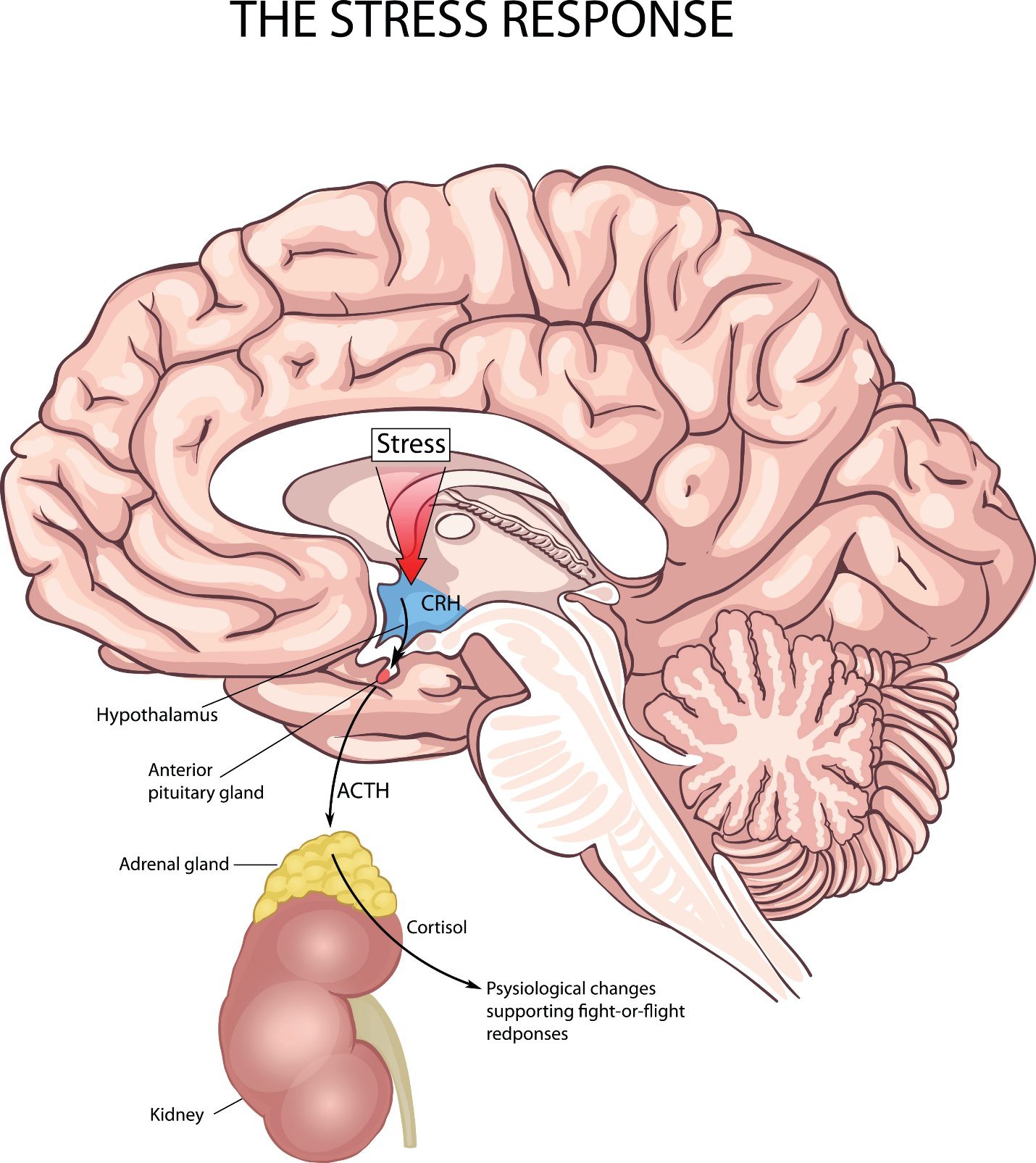
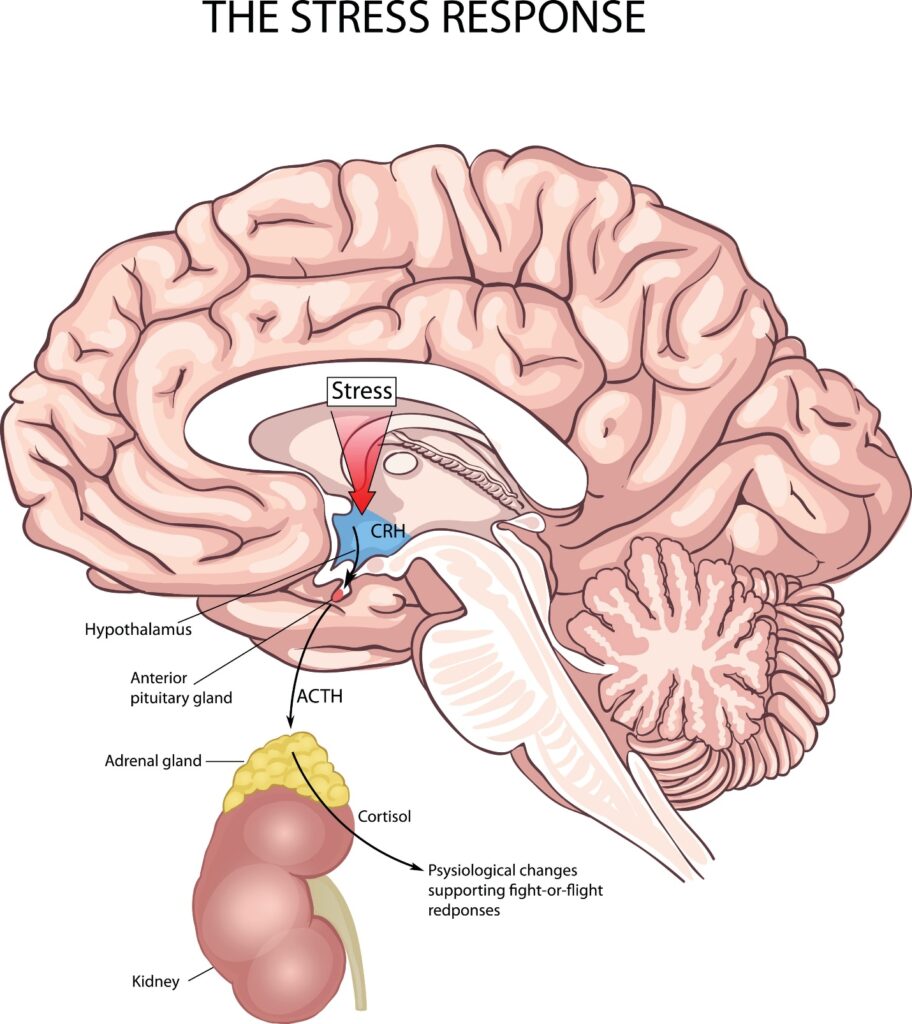
Emotional competency is not just a soft skill; it is rooted in brain function. The concept of the “Amygdala Hijack” illustrates this biological reality. The amygdala is the part of the brain responsible for immediately processing threat and fear. When a strong stressor occurs, this primal brain center can bypass the prefrontal cortex (the area responsible for rational thought and planning), leading to an instantaneous, overwhelming, and often irrational emotional reaction (e.g., an outburst of anger or panic). The true work of high EQ, particularly Self-Regulation(Component 2), is training the prefrontal cortex to intercept and override these rapid, primal emotional signals, ensuring your responses are measured and thoughtful rather than reactive.
Key Techniques: How Cognitive Behavioral Therapy (CBT) Builds EQ
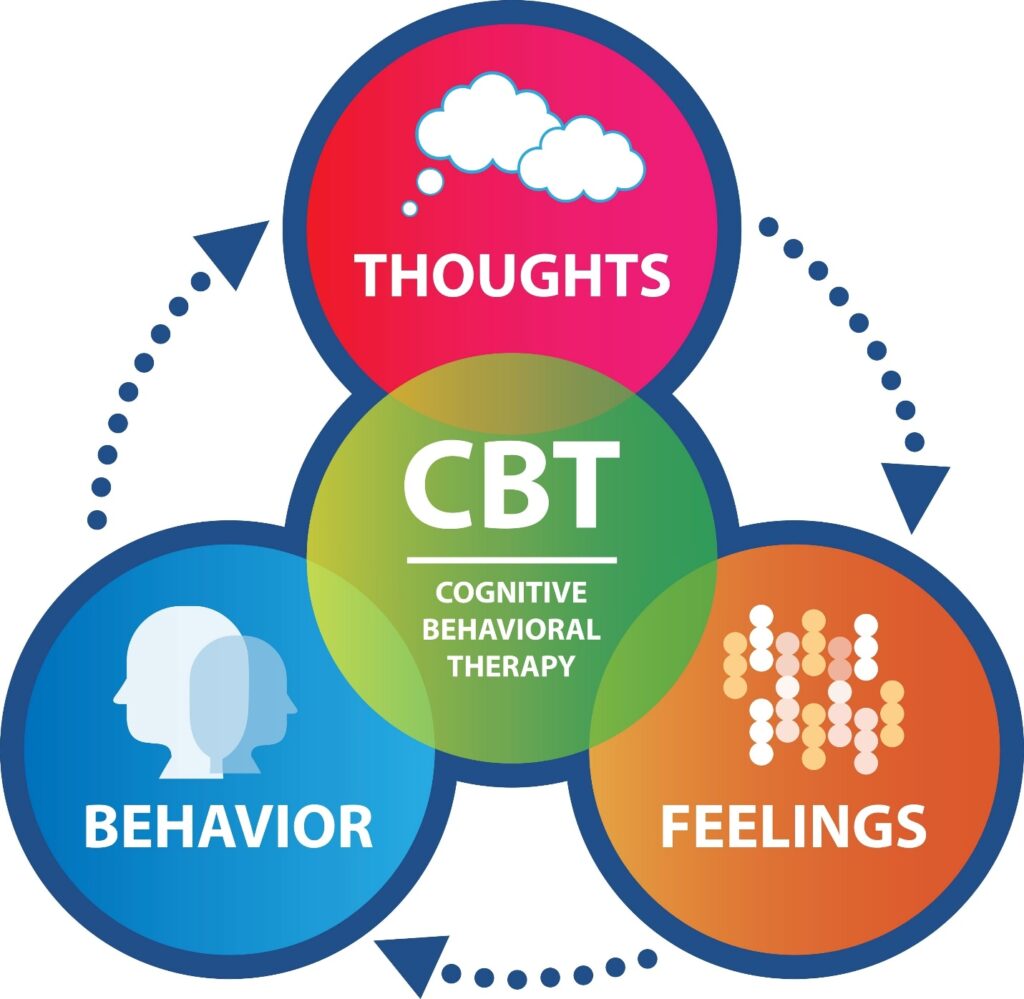
The actionable steps throughout this guide are directly informed by Cognitive Behavioral Therapy (CBT) principles, which focus on modifying unhelpful thinking and behavioral patterns. Applying these techniques specifically targets and strengthens the EQ components:
- Cognitive Restructuring (Component 2 & 4): This involves identifying, challenging, and replacing distorted or irrational thoughts (like catastrophizing or all-or-nothing thinking) with balanced, realistic ones. (See the Cognitive Reframing tip in Self-Regulation).
- Behavioral Experiments (Component 1 & 5): Testing out new, constructive behaviors in real-life situations to challenge fearful predictions (e.g., practicing deep listening to test the prediction that you’ll lose control of the conversation). This is the basis of soliciting feedback and role-swapping.
- Exposure and Habituation (Component 2): Gradually exposing oneself to uncomfortable emotions or sensations (like boredom or uncertainty) to reduce reactivity and build tolerance. (See The 6-Second Rule in Self-Regulation).
- Socratic Questioning (Component 1): Using critical thinking questions to explore the origin and validity of your feelings and beliefs. (This is the method behind the “Why” Question tip).
I. Component 1: Self-Awareness (Knowing Yourself)
Self-Awareness is the foundational pillar of Emotional Intelligence. It is the ability to recognize and understand your own emotions, moods, drives, and their effect on others. Without this base, efforts to manage or influence emotions are simply guesswork.
The Three Signs of Strong Self-Awareness:
- Emotional Recognition: You can accurately name what you’re feeling (e.g., distinguishing between anxiety and excitement, or frustration and anger).
- Knowing Your Triggers: You understand which situations, people, or thoughts reliably provoke specific emotional responses in you.
- Recognizing Your Impact: You are aware of how your emotional state and behavior affect your team, partner, or family.
Actionable Tip 1: The “Why” Question When you experience a strong emotion, don’t just react. Pause and ask: “What am I feeling, and why is this event making me feel this way?” This moves you from reaction to reflection. To deepen your understanding of internal states, explore our article on Mindfulness and Emotional Recognition.
Actionable Tip 2: Journaling for Patterns Dedicate five minutes each evening to briefly log the most intense emotion you felt that day, the situation that triggered it, and your automatic reaction. Over time, reviewing this log reveals recurring emotional patterns that need adjustment.
Actionable Tip 3: Soliciting Trusted Feedback Ask a close, honest partner or colleague (who you trust implicitly) to point out one blind spot in your professional or social behavior (e.g., “When you get stressed, you tend to interrupt people”). Be ready to listen without defensiveness.
II. Component 2: Self-Regulation (Managing Yourself)
Self-Regulation is the ability to control or redirect disruptive impulses and moods. It is about thinking before you act and resisting the urge to make emotional decisions you’ll regret later. It is not about suppressing feelings, but about choosing a productive response.
Key Practices for Self-Regulation:
- Impulse Control: You can delay gratification and remain calm when faced with minor setbacks or frustrations.
- Integrity: You maintain high standards of honesty and fairness, even under pressure.
- Comfort with Ambiguity: You remain calm and productive even when faced with uncertainty or lack of clear direction.
Actionable Tip 1: The 6-Second Rule Emotional neuroscientists suggest it takes approximately six seconds for an initial surge of adrenaline and stress hormones to dissipate. When triggered, mentally impose a 6-second pause before speaking or acting. This micro-delay allows your rational brain to catch up with your emotional brain. For specific techniques on managing intense emotional reactions, consult the National Institute of Mental Health(NIMH) resources on stress management NIMH Stress Management.
Actionable Tip 2: HALT Check-In When feeling highly reactive, pause and perform the HALTcheck: Are you Hungry, Angry, Lonely, or Tired? Addressing the underlying physical or social need often reduces emotional volatility, making self-regulation easier.
Actionable Tip 3: Cognitive Reframing When a situation provokes anger (e.g., a flight delay), actively look for a less threatening interpretation. Instead of: “The airline is disrespecting my time,” reframe it as: “This is an opportunity to practice patience and read the book I brought.”
III. Component 3: Motivation (Driving Yourself)
In the context of EQ, Motivation goes beyond external rewards (money, status). It is the passion to work for reasons that go beyond easy recognition. This is about being driven by deep internal factors like curiosity, learning, mastery, and a personal sense of purpose.
Characteristics of High Emotional Motivation:
- Strong Achievement Drive: A constant striving to meet an internal standard of excellence.
- Commitment: Alignment with the goals of the group, organization, or personal mission.
- Optimism: The persistence to pursue goals despite obstacles, viewing setbacks as temporary and manageable.
Actionable Tip 1: Connect Action to Purpose Before tackling a difficult task, briefly state the high-level “why” behind it. Example: Instead of “I have to write this report,” try “I am writing this report to create a clearer, more stable future for the team.” This simple reframe fuels internal drive. Learn more strategies for maintaining internal drive in our program, Mind Over Matter for Adults: Transforming Thoughts into Action
Actionable Tip 2: Visualize the End Result When motivation dips, spend 60 seconds visualizing the successful completion of the goal and how that success will feel (e.g., the relief of a finished project, the satisfaction of a learning curve mastered).
Actionable Tip 3: The 5-Minute Rule for Procrastination If you are procrastinating on a task, commit to working on it for only five minutes. Often, overcoming the initial resistance is the hardest part; once started, intrinsic motivation (a sense of progress or mastery) usually kicks in, allowing you to continue.
IV. Component 4: Empathy (Understanding Others)
Empathy is the ability to understand the emotional makeup of other people. It involves sensing, understanding, and reacting appropriately to the thoughts and feelings of others. Empathy is crucial for effective collaboration, leadership, and maintaining healthy relationships.
The Three Types of Empathy:
- Cognitive Empathy (Perspective Taking): Knowing how the other person feels and what they might be thinking. (Intellectual understanding)
- Emotional Empathy (Resonance): Feeling the same emotions as the other person. (Feeling with them)
- Compassionate Empathy (Action): Knowing what the person is feeling, resonating with it, and being moved to help. (Feeling with them and acting on it)
Actionable Tips for Empathy
- Actionable Tip 1: Deep Listening When someone is speaking, focus 100% on their words and non-verbal cues. Do not interrupt, and do not spend the time planning your response. After they finish, summarize what you heard: “It sounds like you’re feeling frustrated because X happened. Did I get that right?” This confirms understanding and builds immediate trust. For more information on developing essential interpersonal skills like deep listening and understanding, refer to the CDC resources on effective communication and building trust CDC Effective Communication.
Actionable Tip 2: The Role Swap In a disagreement, mentally “swap roles” and write down (or state aloud) the other person’s strongest argument or emotional position, using theirlanguage, without judgment. This exercises Cognitive Empathy.
Actionable Tip 3: Validate and Label When someone is upset, resist the urge to offer solutions immediately. Instead, use a brief validation phrase combined with an emotional label: “That sounds incredibly stressful,” or “I hear how disappointed you are.” This simple act of recognition makes the person feel seen and calms their emotional state, opening the door for problem-solving later.
V. Component 5: Social Skills (Managing Relationships)
The final component, Social Skills, is the culmination of the first four. It is the proficiency in managing relationships and building networks, and the ability to find common ground and build rapport. It’s the practical application of your emotional awareness in social interactions.
Social Skills are Demonstrated By:
- Effective Communication: Clearly sending and receiving messages that are emotionally appropriate.
- Conflict Management: Negotiating and resolving disagreements productively, without resorting to personal attacks.
- Influence and Leadership: The ability to inspire and guide others, often by using emotional resonance rather than positional authority.
- Collaboration: Working with others toward a shared goal, valuing differing opinions.
Actionable Tip 1: Practice the Pivot When conversations become emotionally charged or stuck, practice gently pivoting the discussion back toward shared goals or common interests. Example: “I know we disagree on the approach, but we both want this project to succeed. Let’s list three non-negotiable goals for the next hour.” For more detailed advice on managing difficult conversations, check out our guide on Mastering Conflict Resolution.
Actionable Tip 2: The Temperature Check Before beginning a meeting or difficult discussion, explicitly ask participants for a brief “temperature check” of their current emotional state (e.g., “How are we feeling about the deadline? Are we ready to tackle this?”). This acknowledges the group’s emotional reality and prevents unspoken stress from derailing the agenda.
Actionable Tip 3: Mirror and Match Non-Verbal Cues To build rapport quickly, subtly mirror the non-verbal behavior (posture, tone, and pace of speech) of the person you are speaking with. This unconscious matching creates a feeling of connection and safety, increasing trust and influencing the social interaction positively.
VI. Sustaining Your EQ Development
Mastering the 5 core components of EQ is not a destination; it’s a process of continuous learning and growth. To ensure long-term development and resilience, integrate these strategies into your routine:
- The Power of Neuroplasticity: Remember that developing EQ relies on neuroplasticity—the brain’s ability to reorganize itself by forming new neural connections. Every time you successfully pause before reacting (Self-Regulation) or practice deep listening (Empathy), you are literally strengthening the neural pathways for EQ.
- The 360-Degree Feedback Habit: Don’t wait for annual reviews. Periodically seek feedback from a variety of sources (subordinates, peers, supervisors) on specific EQ behaviors, such as how well you manage conflict or communicate stress. This provides a more comprehensive view of your impact (Component 1) and guides your focus.
- Emotional Resilience Training: Treat emotional setbacks as training exercises. When you fail to regulate your temper or miss an opportunity to empathize, review the event neutrally. Focus on the lesson learned for the next time, rather than dwelling on the mistake. This aligns with the optimism aspect of Motivation (Component 3).
Conclusion: Activating Your Emotional Quotient
Developing the 5 core components of EQ is a continuous journey of self-mastery. By focusing on Self-Awareness and Self-Regulation (your internal world) and then applying Empathy and Social Skills (your external world), driven by strong Motivation, you unlock your potential for resilience and success.
👉 Ready to take the next step in mastering your EQ? Explore our free assessment tools and courses on Emotional Intelligence at BetterMindClub.com to build a better life today.
❓ Frequently Asked Questions (FAQs) About Emotional Intelligence
- Q: Can Emotional Intelligence be learned and improved?
- A: Absolutely. Unlike IQ, which is largely stable, EQ is a set of learned skills and abilities that can be significantly improved at any age through dedicated practice, feedback, and training.
- Q: Is high EQ more important than high IQ?
- A: Research, especially in the workplace, suggests that EQ often matters more than IQ for career success and leadership effectiveness. IQ can get you hired, but EQ determines how well you collaborate, handle pressure, and lead teams.
- Q: What is the biggest barrier to developing EQ?
- A: The biggest barrier is often low Self-Awareness. If you can’t recognize an emotion when it happens, you can’t regulate it or empathize with others who feel it. Focusing on Component 1 is always the essential first step.
- Q: What is the main difference between EQ and IQ?
- A: IQ (Intelligence Quotient) measures cognitive abilities like reasoning, logic, and abstract thinking. EQ (Emotional Quotient) measures behavioral and social skills related to emotions, such as self-control, empathy, and effective communication.
The 5 Core Components of EQ: Mastering Emotional Intelligence for a Better Life
By: BetterMindClub.com
Introduction: Why Emotional Intelligence is Your True Superpower ✨
In a world that often rewards IQ (Intelligence Quotient), your Emotional Quotient (EQ)—or Emotional Intelligence—is the actual key to success, fulfilling relationships, and personal well-being. This competency involves the capacity to understand and manage your own feelings, and to recognize and influence the emotions of others. It’s not about being nice all the time; it’s about being aware, adaptable, and effective.
This comprehensive guide from BetterMindClub.com breaks down the 5 core components of EQ. By applying the evidence-based CBT techniques detailed here, you can reduce stress, improve communication, enhance your leadership skills, and truly master your internal and external world.
The Biological Edge: EQ and the Amygdala Hijack
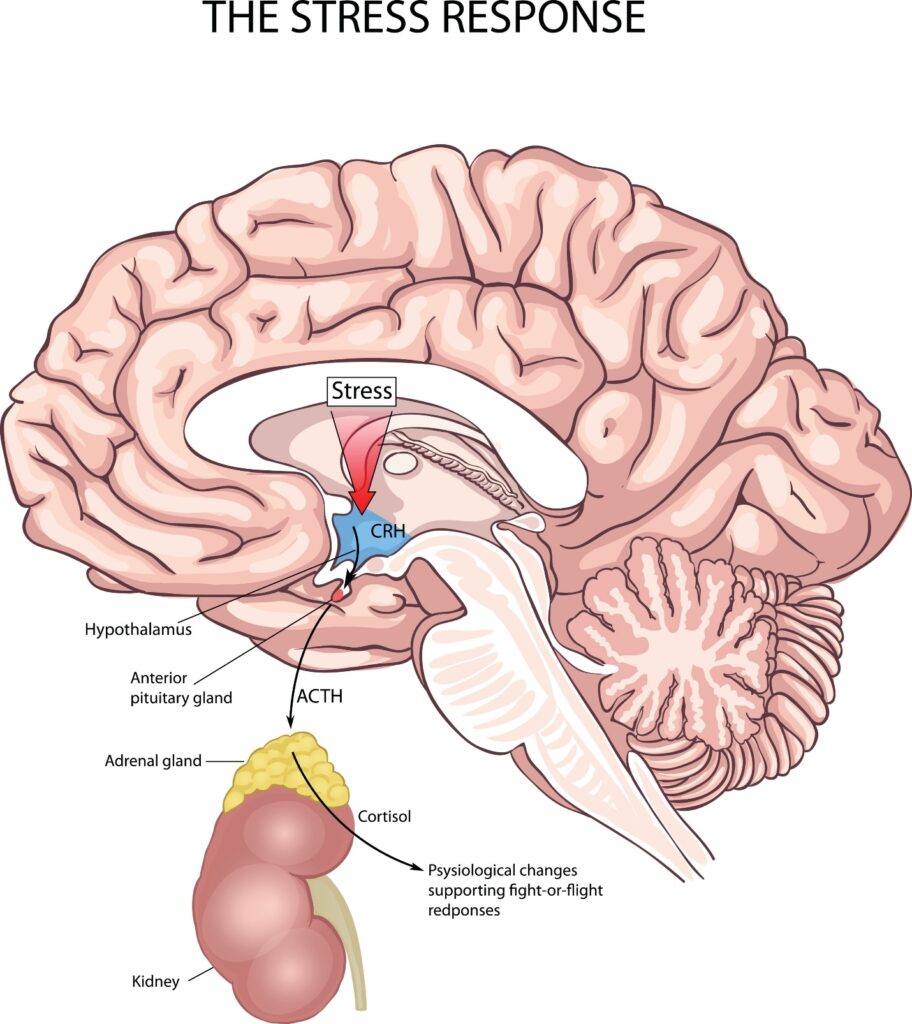
Emotional competency is not just a soft skill; it is rooted in brain function. The concept of the “Amygdala Hijack” illustrates this biological reality. The amygdala is the part of the brain responsible for immediately processing threat and fear. When a strong stressor occurs, this primal brain center can bypass the prefrontal cortex (the area responsible for rational thought and planning), leading to an instantaneous, overwhelming, and often irrational emotional reaction (e.g., an outburst of anger or panic). The true work of high EQ, particularly Self-Regulation (Component 2), is training the prefrontal cortex to intercept and override these rapid, primal emotional signals, ensuring your responses are measured and thoughtful rather than reactive.
Key Techniques: How Cognitive Behavioral Therapy (CBT) Builds EQ
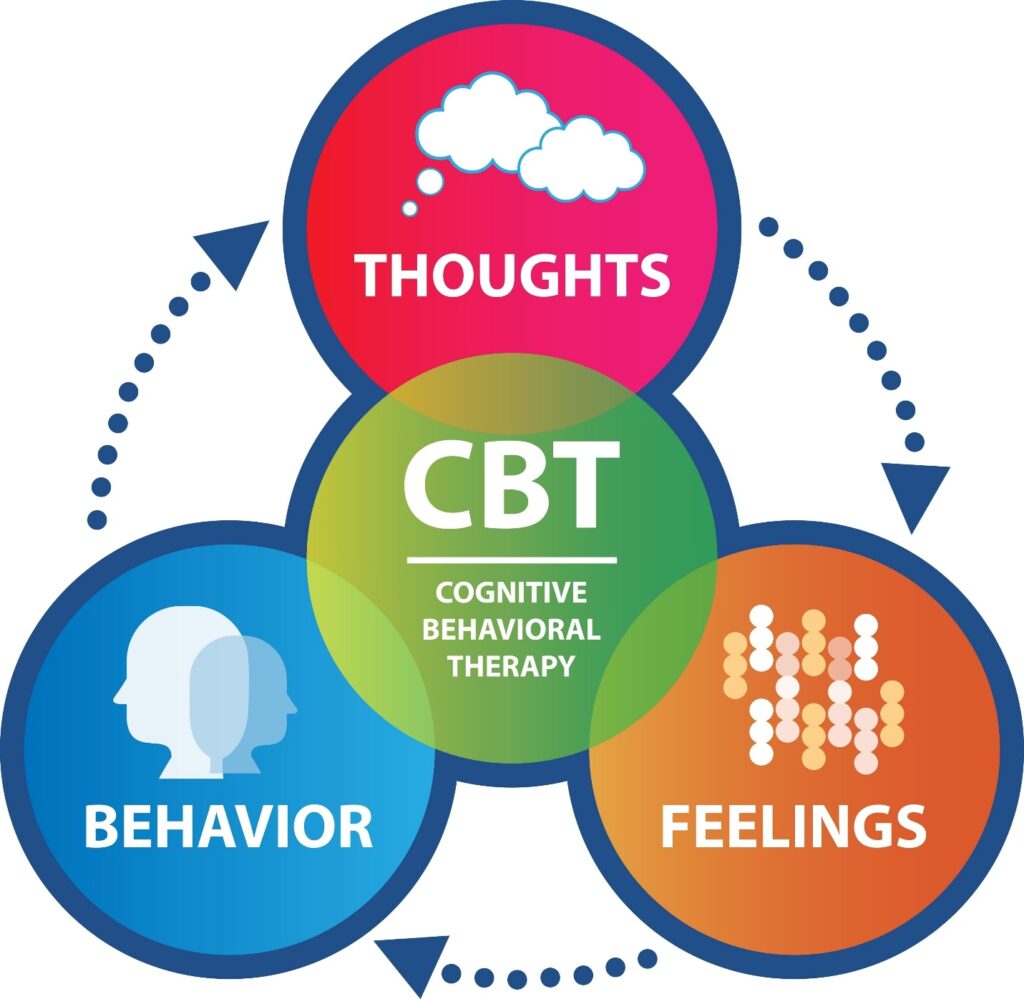
The actionable steps throughout this guide are directly informed by Cognitive Behavioral Therapy (CBT) principles, which focus on modifying unhelpful thinking and behavioral patterns. Applying these techniques specifically targets and strengthens the EQ components:
Shutterstock
Explore
- Cognitive Restructuring (Component 2 & 4): This involves identifying, challenging, and replacing distorted or irrational thoughts (like catastrophizing or all-or-nothing thinking) with balanced, realistic ones. (See the Cognitive Reframing tip in Self-Regulation).
- Behavioral Experiments (Component 1 & 5): Testing out new, constructive behaviors in real-life situations to challenge fearful predictions (e.g., practicing deep listening to test the prediction that you’ll lose control of the conversation). This is the basis of soliciting feedback and role-swapping.
- Exposure and Habituation (Component 2): Gradually exposing oneself to uncomfortable emotions or sensations (like boredom or uncertainty) to reduce reactivity and build tolerance. (See The 6-Second Rule in Self-Regulation).
- Socratic Questioning (Component 1): Using critical thinking questions to explore the origin and validity of your feelings and beliefs. (This is the method behind the “Why” Question tip).
I. Component 1: Self-Awareness (Knowing Yourself)
Self-Awareness is the foundational pillar of Emotional Intelligence. It is the ability to recognize and understand your own emotions, moods, drives, and their effect on others. Without this base, efforts to manage or influence emotions are simply guesswork.
The Three Signs of Strong Self-Awareness:
- Emotional Recognition: You can accurately name what you’re feeling (e.g., distinguishing between anxiety and excitement, or frustration and anger).
- Knowing Your Triggers: You understand which situations, people, or thoughts reliably provoke specific emotional responses in you.
- Recognizing Your Impact: You are aware of how your emotional state and behavior affect your team, partner, or family.
Actionable Tips for Self-Awareness
- Actionable Tip 1: The “Why” Question When you experience a strong emotion, don’t just react. Pause and ask: “What am I feeling, and why is this event making me feel this way?” This moves you from reaction to reflection. To deepen your understanding of internal states, explore our article on Mindfulness and Emotional Recognition.
- Actionable Tip 2: Journaling for Patterns Dedicate five minutes each evening to briefly log the most intense emotion you felt that day, the situation that triggered it, and your automatic reaction. Over time, reviewing this log reveals recurring emotional patterns that need adjustment.
- Actionable Tip 3: Soliciting Trusted Feedback Ask a close, honest partner or colleague (who you trust implicitly) to point out one blind spot in your professional or social behavior (e.g., “When you get stressed, you tend to interrupt people”). Be ready to listen without defensiveness.
II. Component 2: Self-Regulation (Managing Yourself)
Self-Regulation is the ability to control or redirect disruptive impulses and moods. It is about thinking before you act and resisting the urge to make emotional decisions you’ll regret later. It is not about suppressing feelings, but about choosing a productive response.
Key Practices for Self-Regulation:
- Impulse Control: You can delay gratification and remain calm when faced with minor setbacks or frustrations.
- Integrity: You maintain high standards of honesty and fairness, even under pressure.
- Comfort with Ambiguity: You remain calm and productive even when faced with uncertainty or lack of clear direction.
Actionable Tips for Self-Regulation
- Actionable Tip 1: The 6-Second Rule Emotional neuroscientists suggest it takes approximately six seconds for an initial surge of adrenaline and stress hormones to dissipate. When triggered, mentally impose a 6-second pause before speaking or acting. This micro-delay allows your rational brain to catch up with your emotional brain. For specific techniques on managing intense emotional reactions and improving Emotional Regulation, consult our guide (Inbound Link). For additional authoritative resources on managing stress, consult the National Institute of Mental Health (NIMH) guide on Stress Management.
- Actionable Tip 2: HALT Check-In When feeling highly reactive, pause and perform the HALT check: Are you Hungry, Angry, Lonely, or Tired? Addressing the underlying physical or social need often reduces emotional volatility, making self-regulation easier.
- Actionable Tip 3: Cognitive Reframing When a situation provokes anger (e.g., a flight delay), actively look for a less threatening interpretation. Instead of: “The airline is disrespecting my time,” reframe it as: “This is an opportunity to practice patience and read the book I brought.” For resources on reducing general life stress, see our page on Stress Reduction Strategies.
III. Component 3: Motivation (Driving Yourself)
In the context of EQ, Motivation goes beyond external rewards (money, status). It is the passion to work for reasons that go beyond easy recognition. This is about being driven by deep internal factors like curiosity, learning, mastery, and a personal sense of purpose.
Characteristics of High Emotional Motivation:
- Strong Achievement Drive: A constant striving to meet an internal standard of excellence.
- Commitment: Alignment with the goals of the group, organization, or personal mission.
- Optimism: The persistence to pursue goals despite obstacles, viewing setbacks as temporary and manageable.
Actionable Tips for Motivation
- Actionable Tip 1: Connect Action to Purpose Before tackling a difficult task, briefly state the high-level “why” behind it. Example: Instead of “I have to write this report,” try “I am writing this report to create a clearer, more stable future for the team.” This simple reframe fuels internal drive. Learn more strategies for maintaining internal drive in our program, Mind Over Matter for Adults: Transforming Thoughts into Action.
- Actionable Tip 2: Visualize the End Result When motivation dips, spend 60 seconds visualizing the successful completion of the goal and how that success will feel (e.g., the relief of a finished project, the satisfaction of a learning curve mastered).
- Actionable Tip 3: The 5-Minute Rule for Procrastination If you are procrastinating on a task, commit to working on it for only five minutes. Often, overcoming the initial resistance is the hardest part; once started, intrinsic motivation (a sense of progress or mastery) usually kicks in, allowing you to continue.
IV. Component 4: Empathy (Understanding Others)
Empathy is the ability to understand the emotional makeup of other people. It involves sensing, understanding, and reacting appropriately to the thoughts and feelings of others. Empathy is crucial for effective collaboration, leadership, and maintaining healthy relationships.
The Three Types of Empathy:
- Cognitive Empathy (Perspective Taking): Knowing how the other person feels and what they might be thinking. (Intellectual understanding)
- Emotional Empathy (Resonance): Feeling the same emotions as the other person. (Feeling with them)
- Compassionate Empathy (Action): Knowing what the person is feeling, resonating with it, and being moved to help. (Feeling with them and acting on it)
Actionable Tips for Empathy
- Actionable Tip 1: Deep Listening When someone is speaking, focus 100% on their words and non-verbal cues. Do not interrupt, and do not spend the time planning your response. After they finish, summarize what you heard: “It sounds like you’re feeling frustrated because X happened. Did I get that right?” This confirms understanding and builds immediate trust. For more information on developing essential interpersonal skills like deep listening and understanding, refer to the NIH resources on effective communication and health information at NIH Health Communication.
- Actionable Tip 2: The Role Swap In a disagreement, mentally “swap roles” and write down (or state aloud) the other person’s strongest argument or emotional position, using their language, without judgment. This exercises Cognitive Empathy.
- Actionable Tip 3: Validate and Label When someone is upset, resist the urge to offer solutions immediately. Instead, use a brief validation phrase combined with an emotional label: “That sounds incredibly stressful,” or “I hear how disappointed you are.” This simple act of recognition makes the person feel seen and calms their emotional state, opening the door for problem-solving later. To strengthen Communication Skills, explore our detailed guide.
V. Component 5: Social Skills (Managing Relationships)
The final component, Social Skills, is the culmination of the first four. It is the proficiency in managing relationships and building networks, and the ability to find common ground and build rapport. It’s the practical application of your emotional awareness in social interactions.
Social Skills are Demonstrated By:
- Effective Communication: Clearly sending and receiving messages that are emotionally appropriate.
- Conflict Management: Negotiating and resolving disagreements productively, without resorting to personal attacks.
- Influence and Leadership: The ability to inspire and guide others, often by using emotional resonance rather than positional authority.
- Collaboration: Working with others toward a shared goal, valuing differing opinions.
Actionable Tips for Social Skills
- Actionable Tip 1: Practice the Pivot When conversations become emotionally charged or stuck, practice gently pivoting the discussion back toward shared goals or common interests. Example: “I know we disagree on the approach, but we both want this project to succeed. Let’s list three non-negotiable goals for the next hour.” For more detailed advice on managing difficult conversations, check out our guide on Mastering Conflict Resolution.
- Actionable Tip 2: The Temperature Check Before beginning a meeting or difficult discussion, explicitly ask participants for a brief “temperature check” of their current emotional state (e.g., “How are we feeling about the deadline? Are we ready to tackle this?”). This acknowledges the group’s emotional reality and prevents unspoken stress from derailing the agenda.
- Actionable Tip 3: Mirror and Match Non-Verbal Cues To build rapport quickly, subtly mirror the non-verbal behavior (posture, tone, and pace of speech) of the person you are speaking with. This unconscious matching creates a feeling of connection and safety, increasing trust and influencing the social interaction positively. For more in-depth Relationship Lessons, see our core program module.
VI. Sustaining Your EQ Development
Mastering the 5 core components of EQ is not a destination; it’s a process of continuous learning and growth. To ensure long-term development and resilience, integrate these strategies into your routine:
- The Power of Neuroplasticity: Remember that developing EQ relies on neuroplasticity—the brain’s ability to reorganize itself by forming new neural connections. Every time you successfully pause before reacting (Self-Regulation) or practice deep listening (Empathy), you are literally strengthening the neural pathways for EQ.
- The 360-Degree Feedback Habit: Don’t wait for annual reviews. Periodically seek feedback from a variety of sources (subordinates, peers, supervisors) on specific EQ behaviors, such as how well you manage conflict or communicate stress. This provides a more comprehensive view of your impact (Component 1) and guides your focus.
- Emotional Resilience Training: Treat emotional setbacks as training exercises. When you fail to regulate your temper or miss an opportunity to empathize, review the event neutrally. Focus on the lesson learned for the next time, rather than dwelling on the mistake. This aligns with the optimism aspect of Motivation (Component 3).
Conclusion: Activating Your Emotional Quotient
Developing the 5 core components of EQ is a continuous journey of self-mastery. By focusing on Self-Awareness and Self-Regulation (your internal world) and then applying Empathy and Social Skills (your external world), driven by strong Motivation, you unlock your potential for resilience and success.
👉 Ready to take the next step in mastering your EQ? Explore our Free Downloadable CBT Tools and Guides on Emotional Intelligence at BetterMindClub.com to build a better life today.
Frequently Asked Questions (FAQs) About Emotional Intelligence
- Q: Can Emotional Intelligence be learned and improved?
- A: Absolutely. Unlike IQ, which is largely stable, EQ is a set of learned skills and abilities that can be significantly improved at any age through dedicated practice, feedback, and training.
- Q: Is high EQ more important than high IQ?
- A: Research, especially in the workplace, suggests that EQ often matters more than IQ for career success and leadership effectiveness. IQ can get you hired, but EQ determines how well you collaborate, handle pressure, and lead teams.
- Q: What is the biggest barrier to developing EQ?
- A: The biggest barrier is often low Self-Awareness. If you can’t recognize an emotion when it happens, you can’t regulate it or empathize with others who feel it. Focusing on Component 1 is always the essential first step.
- Q: What is the main difference between EQ and IQ?
- A: IQ (Intelligence Quotient) measures cognitive abilities like reasoning, logic, and abstract thinking. EQ (Emotional Quotient) measures behavioral and social skills related to emotions, such as self-control, empathy, and effective communication.
