
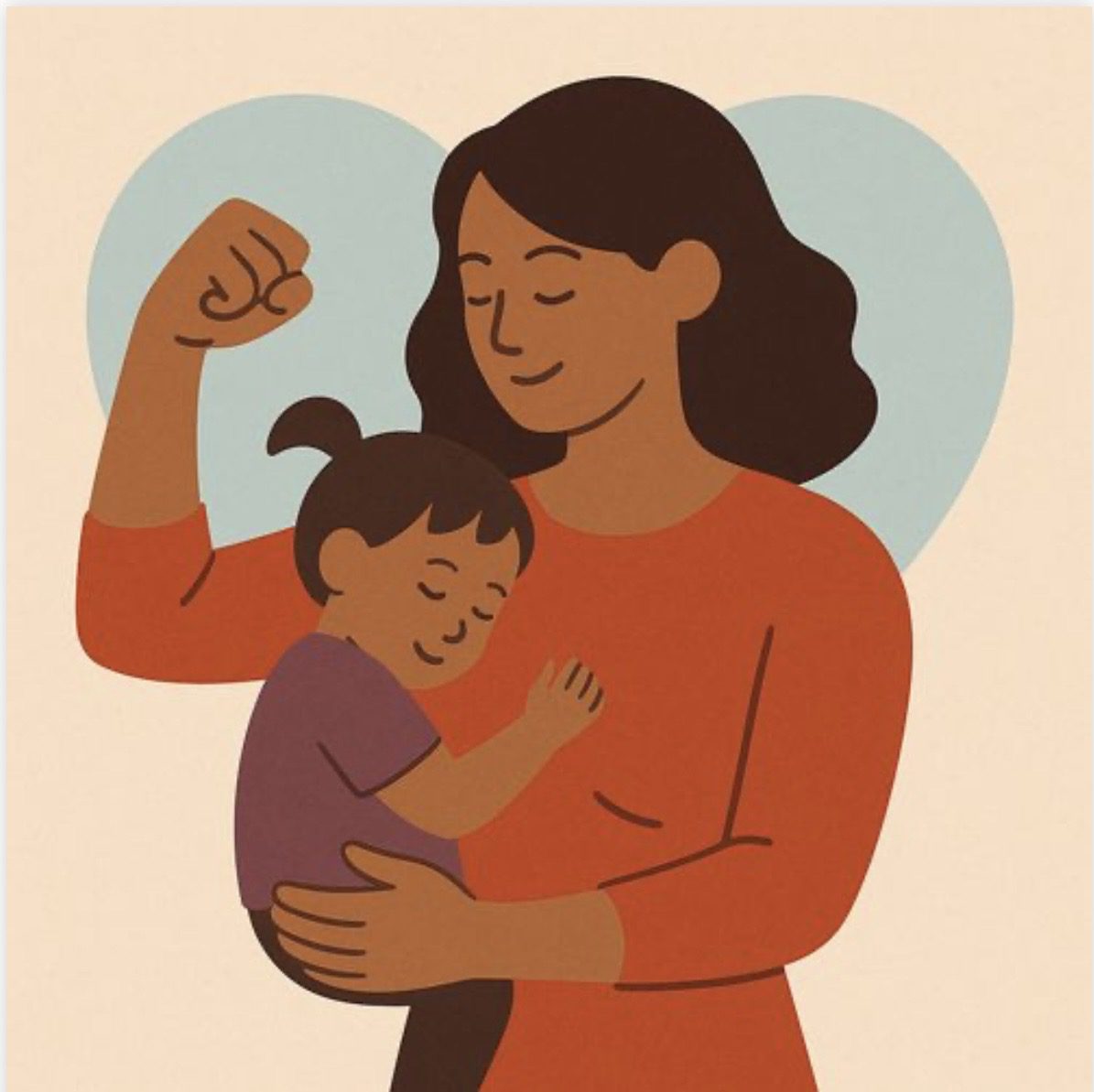
CBT and Resilient Motherhood: Mindful Parenting and Emotional Strength
Introduction: Strength Through Awareness, Calm Through Connection
Motherhood is one of the most beautiful and demanding roles in life. Yet, society rarely talks about the mental resilience required to nurture both children and yourself. From sleepless nights to daily responsibilities, mothers often remain emotionally overloaded while still showing up with love.
Cognitive Behavioral Therapy (CBT) offers tools that help mothers parent with clarity, regulation, and peace rather than stress and survival mode. CBT strengthens emotional awareness, reduces guilt, and supports conscious parenting through mindful choices.
“You don’t need to be a perfect mother. You only need to be an emotionally present one.”
At BetterMindClub.com, we provide CBT-based tools to help mothers heal, grow, and raise emotionally safe children without burning out in the process.
1. What Is Resilient Motherhood?
Resilient motherhood is not about doing everything alone or being endlessly strong.
Instead, it means:
- understanding your triggers
- speaking to yourself compassionately
- regulating emotions before reacting
- modeling calm communication
- asking for help when needed
CBT supports this resilience by strengthening awareness over automatic reaction.
2. The Cognitive Triangle in Parenting
CBT teaches that thoughts produce emotions, which drive behavior. In parenting, this triangle can look like:
| Trigger | Thought | Emotion | Reaction |
|---|---|---|---|
| Child tantrum | “I’m failing.” | Guilt | Irritation, yelling |
| Child tantrum | “They’re overwhelmed.” | Empathy | Calm, redirection |
The behavior changes when the thought changes.
CBT Mini-Shift for Parents
When stressed, ask:
“Is this about me, or is this about my child’s emotion?”
This single question transforms reactivity into empathy.
3. Managing Parental Guilt With CBT
Mothers carry an invisible weight: guilt. Guilt over choices, time, finances, discipline, even rest.
CBT challenges guilt-based thoughts like:
- “I’m not doing enough.”
- “A good mother never gets overwhelmed.”
- “My child’s emotions are my responsibility.”
Reframe:
“I am a good parent because I care and I try. I don’t have to be perfect to be effective.”
Self-compassion is the foundation of emotionally healthy parenting.
4. Mindful Parenting and Emotional Regulation
Children learn emotional regulation not from lectures, but from watching how a parent handles stress. CBT enhances emotional regulation through:
- pausing before reacting
- breathing and grounding
- labeling your own emotions
- choosing intentional communication
Mindful Parenting Practice
Say aloud:
- “I’m feeling frustrated right now, so I’m going to take a deep breath.”
- “Let’s both calm down, then we can talk.”
This teaches kids emotional literacy.
📌 Image Suggestion #2: A mother taking a slow breath while her child watches calmly.
Caption: “Children don’t need perfection. They need presence.”
5. CBT and Parenting After Trauma
Mothers who experienced neglect, dysfunction, or abuse often parent without a healthy template. CBT helps break intergenerational trauma by bringing awareness to inherited beliefs:
| Trauma Belief | CBT Reframe |
|---|---|
| “Yelling is how you get respect.” | “Connection creates respect.” |
| “Kids should never express big emotions.” | “Safe expression teaches emotional maturity.” |
| “If I relax, I’ll lose control.” | “Calm creates clarity and cooperation.” |
You are not repeating your past—you are rewriting it.
6. Supporting Your Child’s Emotional Intelligence
CBT teaches mothers how to respond to emotions instead of trying to erase them.
Instead of saying:
“Stop crying.”
Try:
“I see you’re upset. I’m here. Let’s figure this out together.”
This builds emotional resilience, trust, and safety.
7. Better Mind Club’s Tools for Resilient Parenting
At BetterMindClub.com, mothers can access:
- CBT parenting journals
- Emotional regulation worksheets
- Mindfulness reflection planners
- Behavior tracking with empathy models
- Self-compassion and boundary-building guides
We help mothers cultivate peace for themselves and the children they love.
8. Teaching Calm Without Forcing Obedience
CBT helps parents shift from fear-based discipline to emotional coaching. This creates:
- cooperation instead of compliance
- communication instead of conflict
- understanding instead of punishment
A calm parent leads a calm home.
9. Self-Care Is Not Escape: It’s Emotional Maintenance
CBT reframes self-care from selfish to necessary mental upkeep. A regulated mother raises regulated children.
Reframe self-care as:
“When I care for myself, I care for my family.”
10. Raising Yourself As You Raise Your Children
Motherhood is not only about shaping a child—it’s about reshaping yourself.
CBT supports:
- reparenting inner wounds
- learning emotional expression
- breaking unhealthy beliefs
- building confidence and peace
You are healing both past and future generations through your awareness.
FAQ
Q: How can CBT help mothers with stress and overwhelm?
CBT helps mothers identify negative thought loops, regulate emotions, and respond with calm and clarity.
Q: Is CBT helpful for single mothers?
Yes. CBT builds emotional self-reliance, reduces guilt, supports boundaries, and teaches how to manage stress alone without burnout.
Q: Can CBT improve my child’s behavior?
Indirectly, yes. A regulated parent models calm, which encourages emotional regulation in children.
🌿 Motherhood with Ease and Awareness
Resilient motherhood begins with your mind, not your circumstances. Through CBT and self-compassion, you can raise empowered children while honoring your own emotional needs.
Start your mindful parenting journey with CBT reflection tools and growth journals at BetterMindClub.com.
✨ Calm mother. Peaceful home. Healing generation.
