
🤝 From Isolation to Connection: How to Build a Support System Using CBT
By: Mary Walden Bettermindclub.com
Introduction: The Cognitive Trap of Isolation
Feeling alone, isolated, or fundamentally disconnected from others is a painful experience that often triggers a downward spiral. Isolation is rarely an objective fact; rather, it is often maintained by specific cognitive distortions—negative thought patterns that convince us we are unworthy of connection, that others don’t care, or that reaching out is dangerous.
This article uses the principles of Cognitive Behavioral Therapy (CBT) to help you systematically challenge the beliefs that fuel isolation and provide concrete, actionable steps to rebuild your social network and foster genuine connection.
To effectively rebuild your support system, you must first restructure the internal narrative keeping you isolated.
Phase 1: Identifying the Isolation-Maintaining Beliefs (CBT Audit)
The first step in using CBT to combat isolation is to identify the core negative beliefs and “hot thoughts” that prevent you from reaching out.
1. Pinpointing Core Beliefs About Socializing
Isolation often stems from deep-seated, painful rules about yourself and others:
- Self-Belief: “I am fundamentally broken/boring.” (Leads to shame and withdrawal.)
- Other-Belief: “People are inherently judgmental/unreliable.” (Leads to distrust and avoidance.)
- Future-Belief: “If I reach out, I will be rejected/burden them.” (Leads to inaction.)
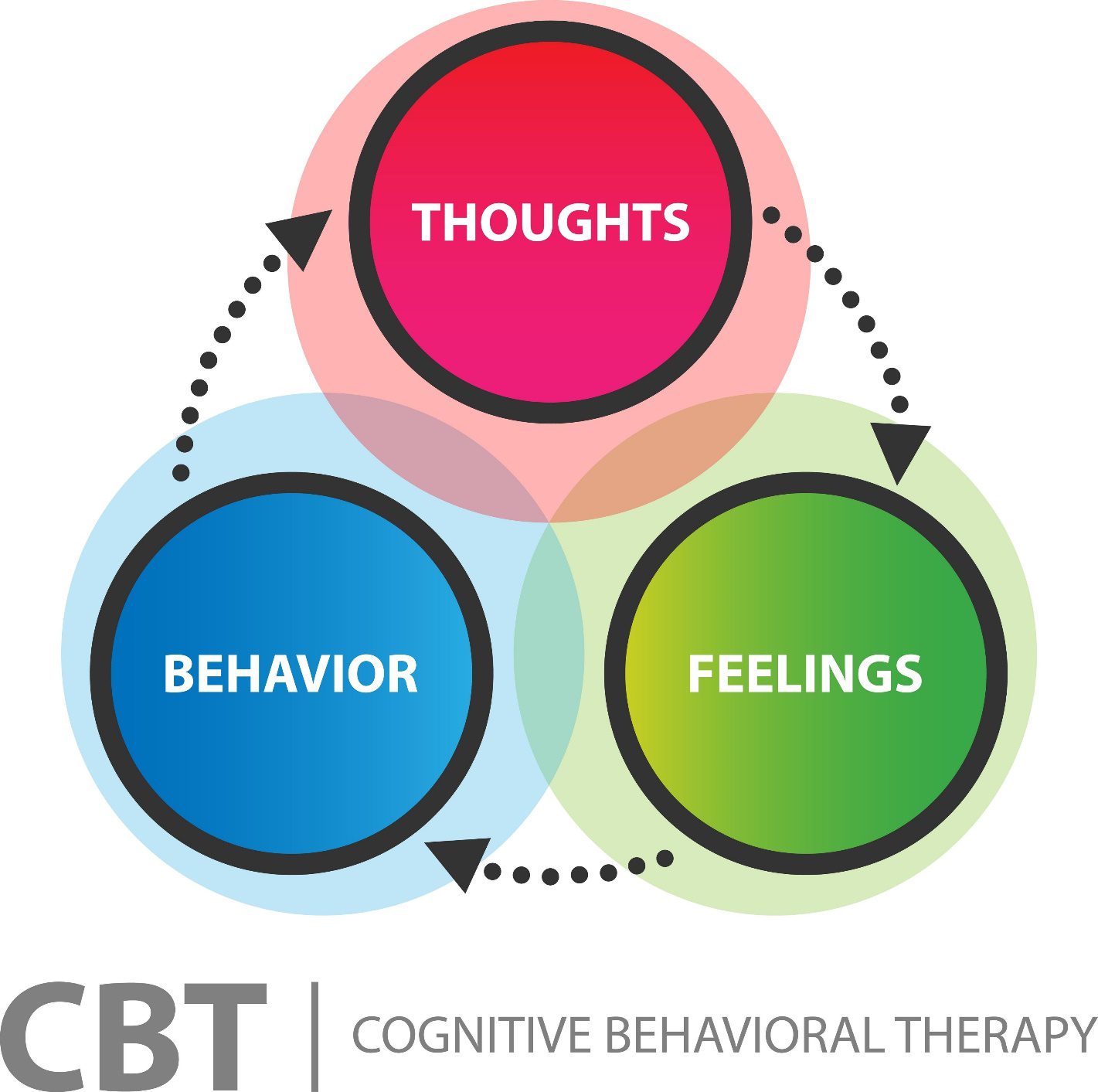
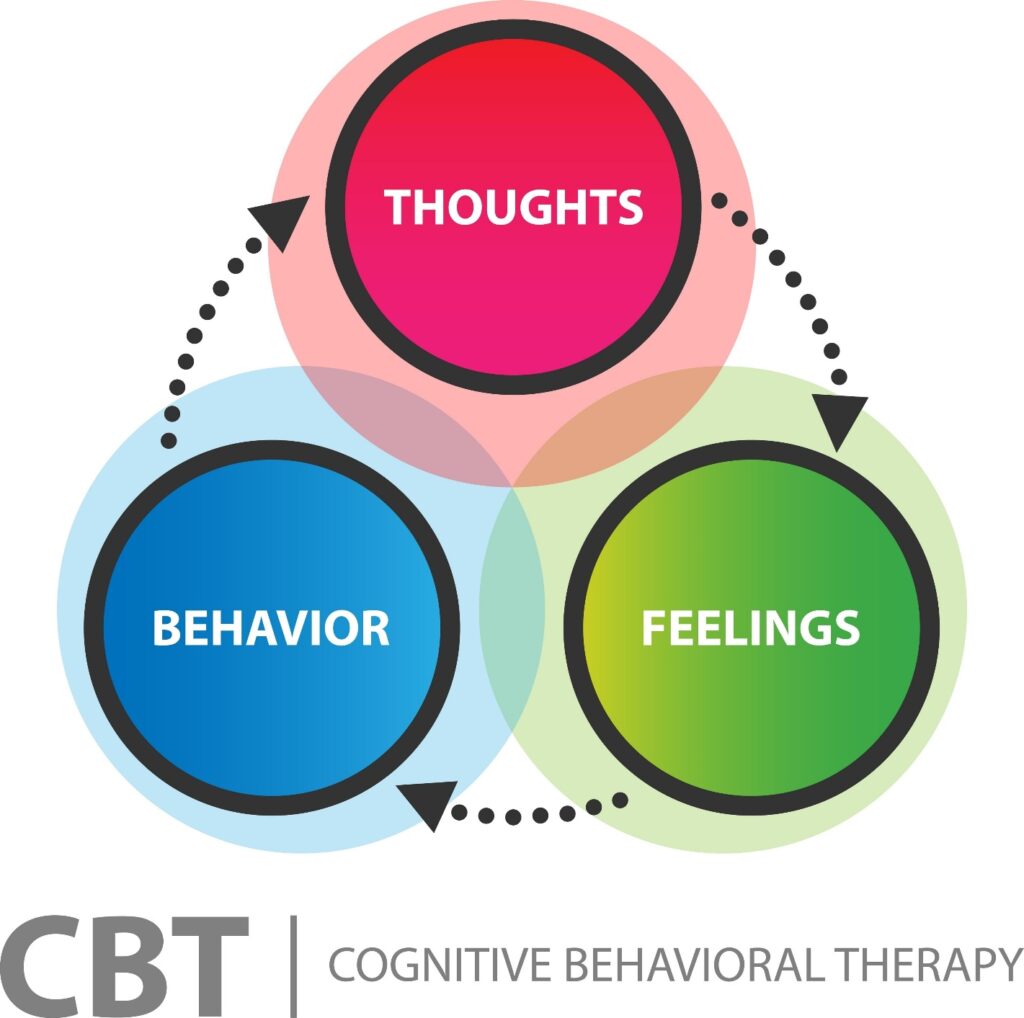
2. The Thought-Feeling-Action Loop of Isolation
Use this common CBT model to map how your thoughts generate the feeling of loneliness, which then causes the isolating action.
| Context | Hot Thought (The Lie) | Feeling | Action | Reinforcement |
| I see friends posting online. | “They have better lives than me. I’d just be a burden if I called.” | Shame, Loneliness | Do not reach out. Avoid social media. | Isolation confirmed. (The lie is reinforced.) |
| A friend doesn’t reply instantly. | “They must be mad at me or don’t care about me.” | Anxiety, Fear of Rejection | Withdraw further, assume the worst, and block them. | Relationship damaged. (The lie is reinforced.) |
| I have a free Saturday. | “It’s pointless to go out. No one wants to see me anyway.” | Apathy, Self-Pity | Stay home alone. | Loneliness deepens. (The lie is reinforced.) |
| I get an invitation to a party. | “If I go, I’ll say something stupid and everyone will stare at me.” | Panic, Fear | Lie to excuse yourself. Stay home and watch TV. | Fear validated. (The lie is reinforced, and safety behavior maintained.) |
Goal: Interrupt the loop. Recognize that the feeling of isolation is a consequence of your thought patterns, not the cause of your situation.
Phase 2: Challenging the Lies of Rejection (Cognitive Restructuring)
The goal here is to subject your negative thoughts to rational scrutiny using the Socratic method, a cornerstone of CBT.
1. The Evidence Log (Testing the Avoidance Beliefs)
Challenge your belief that reaching out is dangerous or futile:
| Dysfunctional Belief | Socratic Question | Evidence for Connection (CBT Reframe) |
| “If I ask for help, I will be a burden.” | Is it true that people enjoy being helpful? Who have I helped recently? | “The last time a friend confided in me, I felt closer to them. Giving support builds bonds, and I am not an exception to this rule.” |
| “No one cares about my problems.” | What concrete evidence proves this thought is 100% true? | “My friend Sarah checked on me last week when I was sick. My colleague complimented my work. I have concrete evidence of people caring, even if I don’t feel it right now.” |
| “I have nothing interesting to say.” | Is being interesting the only criteria for friendship? What makes a good listener? | “Healthy friendships are built on mutual presence, not entertainment. I can offer empathy and a listening ear, which is a valuable connection.” |
| “I have to wait for others to initiate contact.” | Is waiting effective? What is the real risk of sending the first text? | “The truth is, everyone is busy. Taking the initiative increases my chance of connection from 0% to 50%. I have agency in my own social life.” |
| “If a conversation is quiet, it means they are bored with me.” | How often are quiet moments awkward versus comfortable or restful? | “Silence often means the other person is thinking or feels relaxed. True connection doesn’t require constant performance or chatter. Calm is safe.” |
2. The New Rational Reframe
Replace the old, isolating script with an evidence-based truth:
- Old Script: “Reaching out is dangerous because I will be rejected or judged.”
- New Reframe: “Reaching out is an opportunity to strengthen a human connection. Rejection is rarely personal and is a manageable risk necessary for finding connection.”
Phase 3: Behavioral Activation—The Smallest Social Step
CBT emphasizes changing behavior to change thoughts. Instead of waiting until you feel ready to socialize (which may never happen), commit to small, manageable “Social Experiments.”
1. The Hierarchy of Engagement (Graded Exposure)
Create a hierarchy of social actions, starting with the easiest, and work your way up. This uses graded exposure to habituate your nervous system to social connection.
| Level | Action (Smallest Step First) | Isolation-Challenging Result |
| Level 1 (Easiest) | Send one text message/email to a casual contact saying, “Thinking of you.” | Acknowledges the existence of an external bond. |
| Level 2 | Reply to three posts on social media with genuine, personalized comments. | Practice low-risk social engagement without deep commitment. |
| Level 3 | Ask a colleague a non-work-related question (e.g., about their weekend or hobby). | Practice small talk and surface-level connection. |
| Level 4 (Hardest) | Schedule a short, specific 15-minute phone call with a friend. | Direct social interaction; practices active listening and self-disclosure. |
2. The Five-Minute Connection Rule
When feeling isolated, commit to five minutes of connection. This can be:
- Calling a family member for five minutes.
- Walking to a cafe and briefly chatting with the barista.
- Messaging one friend about a specific, shared memory.
Goal: Prove to your brain that short bursts of connection are safe and do not lead to catastrophe. You can always stop after five minutes, but often, the momentum will lead you to continue.
Phase 4: Building Sustainable Connection (Quality over Quantity)
A strong support system relies on quality interactions that affirm your worth and provide reliable help, not a high count of acquaintances.
1. Identifying Core Support Pillars
Differentiate between different types of connection:
| Support Type | Role/Function | Actionable Step to Build |
| Emotional Support | Validates feelings, listens without judgment. | Schedule a regular 30-minute check-in call with this person. |
| Practical Support | Provides concrete help (rides, tasks, advice). | Ask this person for specific, small help (e.g., “Can you recommend a mechanic?”). |
| Belonging Support | Group identity, shared interests, feeling “normal.” | Join a low-commitment group (e.g., book club, local volunteer shift). |
2. The Mutuality Principle
Isolation is often driven by a fear of taking from others. A healthy support system is mutual. To combat this, practice being a support system for others:
- Action: Reach out to someone you know is struggling. Offer a specific, manageable act of kindness (e.g., “I’m dropping off soup. Can I leave some for you?”).
- CBT Reframe: Giving support reminds you that you possess valuable resources (time, empathy, kindness), which directly counters the core belief that “I am a burden” or “I have nothing to offer.”
Phase 5: Managing Setbacks and Rejection (Coping with Social Pain)
Rejection is inevitable in social life. A survivor of isolation must learn to manage social pain without retreating into total withdrawal.
1. The Catastrophe Check
When you face social rejection (a friend cancels, you aren’t invited to an event), your isolation script will trigger a catastrophe thought: “This proves I’ll always be alone.”
- Question: Does this single event prove a life sentence of isolation?
- Rational Answer: No. This event proves that one person made one choice based on their life circumstances. It is not a referendum on my overall worth or desirability as a friend.
2. Use Self-Validation
In moments of social pain, your self-talk becomes your support system:
- Acknowledge the Pain: “It hurts that they canceled on me. That feeling is valid.”
- Provide Comfort: “This pain is temporary. I can tolerate this feeling without falling apart.”
- Action Plan (Opposite Action): Instead of withdrawing, use a small, intentional connection action (Phase 3, Level 1) immediately afterward to prevent the isolation loop from restarting.
Phase 6: Deepening Connection by Restructuring Core Schemas
Isolation is often rooted in deep, foundational blueprints (schemas) about the world. For a truly sustainable support system, CBT work must address these core, painful social schemas.
1. Identify Your Dominant Social Schema
Identify the deep, underlying belief that has guided your social life since childhood. Common isolation-linked schemas include:
- Emotional Deprivation: The belief that your needs for emotional support will never be adequately met by others.
- Hot Thought: “I shouldn’t even bother asking for emotional support; it will always be denied or mocked.”
- Defectiveness/Shame: The belief that you are flawed, bad, or unworthy of love and connection.
- Hot Thought: “If they truly knew the real me, they would instantly abandon me.”
- Social Isolation/Alienation: The belief that you are fundamentally different from everyone else and don’t belong anywhere.
- Hot Thought: “No one understands me. I am the only one who feels this way.”
2. The Historical Evidence Challenge
Your schema is based on past wounds, not present reality. Challenge the schema by looking for current counterevidence:
| Dominant Schema | Old, Schema-Driven “Evidence” | New, Current Counter-Evidence |
| Emotional Deprivation | My parents ignored me when I cried. | My current partner/friend listened empathetically for 20 minutes last week. |
| Defectiveness/Shame | A school bully made fun of my interests. | My current group shares my interests and values my contributions. |
| Social Isolation | I always ate lunch alone in high school. | I successfully chatted with five people at the club meeting last month. |
Goal: Use the New, Current Counterevidence to write a new, more balanced schema (e.g., “While I have felt alone in the past, I am now capable of finding and maintaining safe, empathetic connections”).
3. Practice Authentic Self-Disclosure
True connection requires moving beyond surface-level interaction. Once a relationship is established as safe (Phase 4), practice controlled vulnerability to test your new schema.
- Action: Disclose a small, non-critical fact about yourself that relates to your Defectiveness Schema (e.g., “I sometimes struggle with social anxiety”).
- Monitor Reaction: The healthy response is usually acceptance, empathy, or sharing their own related struggle.
- CBT Reframe: Every time the healthy person accepts your vulnerability, it provides concrete evidence that connection is built on authenticity, not perfection, directly weakening the Defectiveness/Shame schema.
Frequently Asked Questions (FAQs)
1. Why does reaching out sometimes make me feel worse?
If you are struggling with a high degree of isolation, any initial attempt at connection can feel overwhelming because it breaches a long-held comfort zone. Your nervous system is reacting to the change, not the danger. Use your CBT Reframes (Phase 2) to remind yourself that the goal is long-term connection, not immediate comfort.
2. How do I start the conversation when I haven’t talked to someone in years?
Keep it low-pressure and specific. Avoid vague apologies or self-pity. Try: “Hi [Name], I was just thinking about that time we [shared positive memory]. Hope you’re doing well! No need to reply, just wanted to say hello.” This opens the door without demanding a commitment.
3. What if I genuinely don’t have any contacts to reach out to?
Focus on Belonging Support (Phase 4). Start by joining structured activities where the conversation is not focused on you, such as:
- A volunteer group (focus is the task).
- A local fitness or creative class (focus is the skill).
- Online forums specific to a rare hobby (low-pressure text communication).
The goal is exposure to repeated, low-stakes interaction.
4. My anxiety spikes whenever I press ‘send.’ What can I do in that moment?
This is a classic fight-or-flight response. Use a grounding technique before and after sending the message:
- Before: Hold an ice cube or focus intensely on your breathing for one minute. This disrupts the emotional spike.
- After (Validation): Acknowledge the feeling without judgment: “My body is reacting to risk, which is natural. The anxiety is a feeling, not a prediction of disaster.”
- Distraction: Immediately engage in a non-social, focused task (like a chore or a puzzle) for 15 minutes to prevent rumination and the urge to delete the message.
5. How long does it take to stop feeling anxious when I socialize?
This process is non-linear and varies for everyone, but CBT guarantees that anxiety will decrease with consistent action. When you consistently use Behavioral Activation (Phase 3) and nothing catastrophic happens, your brain undergoes extinction learning (a core principle of CBT). You should measure progress not by the absence of anxiety, but by:
- How quickly you can recognize the “Hot Thought” (Phase 1).
- How fast you can implement a CBT Reframe (Phase 2).
- How often you still commit to the Social Experiment (Phase 3) despite the anxiety. Consistency over time will reduce the frequency and intensity of the anxious response.
6. What if I feel dependent on my new support system? How do I ensure self-reliance?
This is a sign of a strong Emotional Deprivation schema (Phase 6). To balance connection with self-reliance, regularly practice independent self-soothing and self-validation (Phase 5). Schedule regular “solo dates” or engage in hobbies that only rely on your own skills and motivation. You can create a Validation Source Audit (like the one in the companion article on healthy love) where you ensure your sense of worth is drawn from multiple sources (work, hobbies, self-care, and friends), not just your support system. A healthy support system enhances your life; it doesn’t become the only thing sustaining it.
Closing Section: Sustaining Your New Network
Building a support system is an ongoing practice of maintenance, not a one-time project. It relies on small, predictable actions that reinforce your new, rational beliefs about connection.
Maintenance Strategy: The Daily Social Check-In
To sustain your network, maintain this daily routine:
- Review: Name one specific piece of evidence from the last 24 hours that proves someone cares about you (CBT Evidence Log).
- Challenge: When a fear of rejection arises, use your New Rational Reframe (Phase 2).
- Action: Commit to at least one Level 1 Social Experiment (Phase 3) every day.
By consistently applying CBT to challenge the isolation-maintaining thoughts and by taking small, steady behavioral steps, you can prove to your brain that connection is safe, valuable, and accessible. You are not alone in the effort to connect, and you are worthy of support.
If you or someone you know is in immediate danger or distress, please use these resources:
- National Suicide & Crisis Lifeline: Call or text 988 (US and Canada)
- Crisis Text Line: Text HOME to 741741
