Healing Invisible Wounds: Emotional Recovery After Years of Control or Harm
Introduction: The Nature of Invisible Wounds
Physical injuries heal and leave scars, but emotional trauma resulting from years of control, harm, or systemic abuse often leaves wounds that are invisible yet profound. This type of prolonged harm—whether from domestic abuse, long-term captivity, sustained emotional neglect, or psychological manipulation—results in Complex Post-Traumatic Stress Disorder (C-PTSD).
Defining the Complex Trauma
This comprehensive guide details the journey of Healing Invisible Wounds: Emotional Recovery by focusing on staged reconstruction. If you want to learn more about the science of positive change, visit the Better Mind Club Home Page. Unlike single-incident trauma (PTSD), C-PTSD doesn’t just disrupt life; it fundamentally rewires a survivor’s identity, emotional regulation, and relationships. Recovery, therefore, requires more than coping; it demands a deep, staged reconstruction of the self.
Why Is This Recovery Different?
Recovery from C-PTSD involves healing the “invisible wounds” of the self, which include:
- Identity Fragmentation: Not knowing who you are without the control or abuse.
- Emotional Dysregulation: The inability to manage intense feelings, leading to numbness or explosive anger.
- Relational Mistrust: The deep-seated belief that all people are unsafe or exploitative.
The Neurobiology of C-PTSD: Why the Body Holds the Score
For recovery to be effective, survivors must understand that the C-PTSD response is not a moral failing, but a biological adaptation. Years of chronic threat physically alter brain structures.
The Hijacked Alarm System
Chronic trauma sensitizes the Amygdala (the brain’s fear center), making it highly reactive to perceived threats. Simultaneously, the Prefrontal Cortex (PFC), responsible for logical thinking and emotional regulation, becomes less effective. This biological mismatch explains why survivors often know, logically, that they are safe now, but their body still responds with intense fear, hypervigilance, and flashbacks. To understand how trauma impacts the mind, refer to the National Institute of Mental Health (NIMH). To explore methods for Healing Your Mind with CBT, check out our resources.
The Role of the Vagus Nerve
The Vagus Nerve is the main line of the Parasympathetic Nervous System, responsible for the “rest and digest” state. In C-PTSD, this system is frequently suppressed by the chronic activation of the Sympathetic Nervous System (fight/flight). Therefore, recovery techniques—especially deep, slow breathing and mindful movement—must be geared toward stimulating the Vagus Nerve to signal safety to the body.
Understanding and Managing Dissociation
Dissociation—the mental detachment from the present moment, feelings, or even identity—is a core survival mechanism in C-PTSD. When escape is impossible, the mind protects itself by “checking out.” Healing requires increasing integration (staying present) while respecting that dissociation was once a necessary defense.
Recognizing Dissociative States
Dissociation can manifest subtly, not just as “spacing out.” Key signs include:
- Derealization: Feeling that the world around you is unreal or foggy.
- Depersonalization: Feeling disconnected from your own body or viewing yourself from outside.
- Emotional Numbing: An inability to access or feel strong emotions.
Techniques for Re-Grounding
When dissociation occurs, the goal is to gently bring the mind back into the body using the senses, without panic:
- Temperature Shift: Hold an ice cube, run hands under cold water, or sip a very cold beverage. The sharp physical sensation interrupts the detachment.
- Heavy Work: Do push-ups against a wall or stomp your feet firmly. The input of gravity and muscle tension helps anchor the body in the “here and now.”
Phase 1: Safety and Stabilization (The Foundation)
Before any deep healing work can begin, the survivor must establish physical and psychological safety. This phase focuses on symptom management and building a stable life independent of the abusive system. This approach aligns with the first stage of Judith Herman’s trauma recovery model.
1. Establishing Physical Safety
The first priority is removing oneself from the source of harm and establishing a secure living environment. This is non-negotiable.
2. Mastering Emotional Regulation (CBT & DBT)
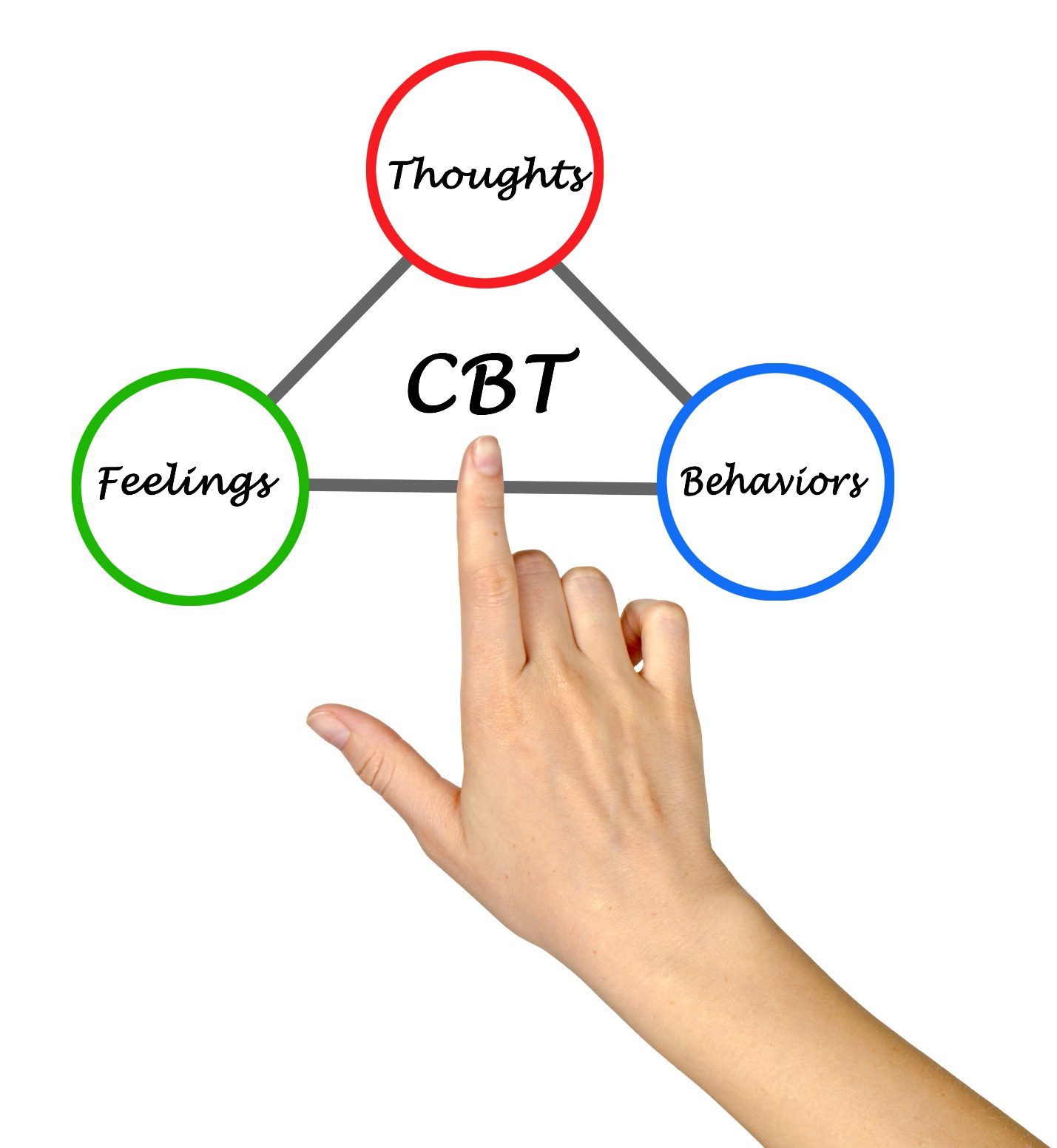
Years of control teach the brain to operate in perpetual survival mode (fight, flight, freeze, fawn). The goal here is to shift out of that hyper-arousal. You can find many helpful exercises, including those for Developing a Growth Mindset with CBT Techniques, among our resources.
- Grounding Techniques: Use senses to anchor the mind in the present. If a memory or flashback triggers an intense emotional state, immediately engage in sensory grounding (e.g., list 5 things you can see, 4 things you can touch, 3 things you can hear).
- Affect Identification: Use a mood chart or journaling to identify and label emotions. Learning to name an emotion helps reduce its intensity. For example, realizing “This isn’t panic, it’s intense shame” allows the mind to process the feeling cognitively.
3. Creating Predictable Structure
Instability and chaos are hallmarks of controlling environments. Purposeful routine counters this by establishing internal control and predictability.
- Daily Non-Negotiables: Commit to consistent sleep, nutrition, and hygiene routines. These small acts of self-care rebuild the sense of agency that was stripped away.
- Boundary Setting: Learn to use the word “No.” This is a powerful, protective tool. Start with small, safe boundaries (e.g., “I can only talk for five minutes”).
Cultivating Radical Self-Compassion
Self-compassion is the direct antidote to the shame and self-blame internalized during years of harm. This involves treating yourself with the same kindness and understanding you would offer a loved one in pain. For more advanced methods, review our Courses Offered in personal development.
Practice 1: The Common Humanity Mantra
Shame isolates. When negative thoughts arise, remind yourself that suffering is part of the human experience, not unique proof of your brokenness.
- Mantra Example: “This feeling is painful, but I am not alone. Other people who have survived terrible things feel this way, too.”
Practice 2: Acknowledging Your Inner Child
Trauma wounds often originate in early life. Visualize the younger, hurt version of yourself who experienced the harm. Instead of judging them for their lack of control, offer them the nurturing, validation, and protection they deserved. This helps separate the shame of the past from the capable adult you are today.
Practice 3: The Self-Soothing Touch
Physical touch releases oxytocin, a calming hormone. When stressed, use deliberate, gentle touch to signal safety to your body.
- Techniques: Place a hand over your heart, gently cup your face in your hands, or give yourself a gentle hug. This simple act bypasses the analytical brain and directly regulates the nervous system.
Specific Behavioral Tools for Daily Maintenance
Successfully navigating C-PTSD recovery requires establishing small, repeatable behavioral tools that reinforce safety and control in daily life. These actions directly target emotional dysregulation and trauma bonding. For immediate assistance, access our Free Downloadable CBT Tools and Guides.
1. The 5-Minute “Control Window”
When feeling overwhelmed or helpless, give yourself a five-minute block where you exert complete, intentional control over a small domain.
- Example: Rearrange one drawer, organize five emails, or spend five minutes doing a deliberate, concentrated activity like a puzzle. This micro-act reminds the nervous system, “I am in charge of this small sphere.”
2. Physical Release of Freeze/Flight Energy
Prolonged harm traps energy in the body (the freeze response). Intentional movement helps complete the survival cycle.
- Shaking/Tremoring: This is a natural somatic release. Put on music and gently shake your hands, feet, or entire body for 60 seconds.
- Orienting: Slowly look around the room, noticing every object and corner. This cues your brain that the environment has been “scanned” and is currently safe.
3. The “Inner Critic vs. Wise Self” Journaling
Trauma internalizes the abuser’s voice (the Inner Critic). Use journaling to externalize and challenge this voice:
- Write the Lie: “You are a failure and you deserve to be alone.” (The Inner Critic’s voice).
- Write the Reframe: “That is a message I was taught, not the truth. I am a resilient person who is choosing safety and connection today.” (The Wise Self’s voice).
Phase 2: Remembrance and Mourning (The Processing)
Once stabilized, the survivor can safely begin to process the memories and feelings associated with the trauma. This phase is typically conducted with a qualified therapist skilled in complex trauma treatment. To understand the principles guiding this work, explore our writing on Healing, Happiness, and the Science of Positive Change.
Cognitive Reframing of Guilt and Shame
Survivors of long-term control often carry crushing burdens of shame (“I am fundamentally flawed”) and guilt (“It was my fault/I should have left sooner”). Trauma-focused therapy aims to shift this internal narrative:
| Trauma-Imposed Core Belief (Shame/Guilt) | CBT Reframe (Truth & Purpose) |
| “I was weak for staying/not fighting back.” | “I was highly adaptive and resourceful. My survival mechanism (fawning/freezing) kept me alive in an impossible situation.” |
| “I deserve the neglect/I am unlovable.” | “I was subjected to continuous psychological injury. My worth is innate, and my capacity to love myself is growing daily.” |
| “I can never trust my own judgment again.” | “I have survived betrayal. I now possess heightened awareness and discernment to make safer choices going forward.” |
| “I am permanently damaged beyond repair.” | “I was injured, not broken. The depth of my pain is a reflection of my capacity to feel, and that capacity can now be channeled toward joy and growth.” |
| “I am always in danger; the threat is constant.” | “The feeling of threat is a strong memory, but the objective facts confirm I am safe now. I can choose to focus my energy on the present, not the past’s echo.” |
| “If I hadn’t done [X], the abuse wouldn’t have happened.” | “The perpetrator’s behavior is 100% their responsibility. My actions were coping mechanisms, not causes. I am not responsible for another person’s cruelty.” |
The Role of Narrative Exposure
Therapies like Prolonged Exposure (PE) or EMDR (Eye Movement Desensitization and Reprocessing) are often used to help the survivor integrate the painful memories into their life narrative without getting emotionally trapped in them. The Department of Veterans Affairs (VA) has pioneered revolutionary PTSD services for complex trauma processing. You can learn more about our philosophy on the Bettermindclub.com About Me page.
Phase 3: Reconnection and Reintegration (The Purpose)
The final phase involves taking the strength forged in the healing process and applying it to build a new life of meaning and connection, embodying the growth inherent in PTG.
Reclaiming the Fragmented Self
Prolonged harm forces a survivor to suppress their authentic personality to please or survive. Reintegration is the deliberate process of rediscovering and acting on one’s genuine desires, values, and interests.
- Value-Driven Action: What did the abuser forbid? What did they mock? Reclaiming those activities (a hobby, a job, a friend) is a powerful act of defiance and self-determination.
- Practicing Vulnerability (Relational Healing): Begin taking mini-risks in safe relationships. Share a small, non-critical emotional need with a trusted friend. Observing positive, consistent responses rebuilds the capacity for secure attachment.
The Purpose of the Wound
The invisible wounds become visible strength when the pain is used for contribution. This contribution is the ultimate act of agency after years of control. For deeper insight, refer to Bettermindclub.com All Writings and Journals.
- Advocacy and Education: Sharing insights about coercive control or emotional manipulation to equip others to recognize and avoid similar situations.
- Compassionate Expertise: The deep empathy and sensitivity developed through suffering can be channeled into professions that require subtle understanding of human pain (e.g., therapy, nursing, creative arts, non-profit work).
The greatest victory after years of control is not forgetting the past, but using the hard-won wisdom to create a future that is entirely, authentically, your own.
Frequently Asked Questions (FAQs)
Q: What is the difference between PTSD and C-PTSD?
A: PTSD typically results from a single, acute event (e.g., a car crash, military combat). C-PTSD results from prolonged, repeated trauma where the victim had little to no chance of escape (e.g., childhood abuse, prisoner of war, domestic violence). C-PTSD involves deeper issues with identity, emotional regulation, and relationships that PTSD generally does not.
Q: Can I heal C-PTSD without a therapist?
A: While self-help techniques (like grounding, journaling, and boundary setting) are vital for Phase 1 (Stabilization), the intense emotional processing required for Phase 2 (Remembrance and Mourning) is strongly recommended to be done with a trauma-informed professional. The risk of retraumatization is high without skilled support. If you or someone you know is in crisis, call or text the Suicide & Crisis Lifeline at 988.
Q: What if I feel hopeless about ever trusting people again?
A: This is a completely normal survival response after betrayal. Trust is rebuilt in layers, not leaps. Focus on building discernment, not blanket trust. Start by consistently trusting yourself (e.g., trusting your gut feeling when a boundary is crossed). Then, practice small relational risks with one vetted, trusted person. As your body learns that safe people exists, the sense of hopelessness will slowly diminish.
Conclusion: Reclaiming the Narrative
Healing Invisible Wounds: Emotional Recovery requires courage, commitment, and a willingness to feel the pain that was long suppressed. By following the stages of stabilization, careful processing, and purposeful reintegration, survivors can transform the narrative of prolonged harm into a testament to their immense resilience. Your invisible wounds hold the wisdom; your purpose gives that wisdom a voice.
If you need immediate guidance or are in an unsafe situation, please utilize these critical resources:
- Better Mind Club Emergency Support: Compassionate 24/7 guidance and resources to help you through any crisis. “You Are Not Alone.”
- National Domestic Violence Hotline (For those in unsafe situations)
- Office on Violence Against Women (OVW) (Extensive survivor resources)
- CDC Mental Health Resources (General well-being guide)
Actionable Step: Write down one Boundary you will set this week that protects your energy or time, and commit to holding it. Ready to go deeper? Start Your Recovery Journey Today.
