💖 Healing the Wound Beneath the Addiction: A Heart-Centered CBT Approach
By: BetterMindClub.com
Introduction: Beyond Symptoms to the Source
For too long, the narrative around addiction and compulsive behaviors has focused almost exclusively on stopping the symptom—the substance use, the habit, or the destructive action. But for true, lasting recovery, we must address the wound beneath the addiction. This underlying pain often stems from early emotional deprivation, trauma, or core beliefs that scream, “I am not enough,” leading to a chronic, aching emotional deficit.
Heart-Centered CBT (H-CBT) Framework
This article introduces Heart-Centered Cognitive Behavioral Therapy (H-CBT), an integrated framework that moves beyond traditional symptom control. H-CBT combines the structured efficacy of Cognitive Behavioral Therapy (CBT) with the transformative power of self-compassion and emotional regulation, creating an approach that not only helps you change your behavior but fundamentally heals your relationship with yourself. For a foundational understanding of emotional triggers, read our guide: Building Inner Safety: Mindfulness-Based CBT for Emotional Triggers and Recovery.
Phase 1: Understanding the Wound—Addiction as Emotional Anesthesia
Addiction is rarely about the substance or behavior itself; it’s a sophisticated, albeit destructive, coping mechanism developed to manage overwhelming internal distress. The substance or compulsion acts as emotional anesthesia, temporarily quieting the pain of the core wound.
1. Identifying the Core Emotional Deficit
The “wound” is the profound belief that one is unlovable, unsafe, or fundamentally flawed. This deficit drives two primary patterns:
- Emotional Avoidance: Using the addiction to numb, distract from, or bypass difficult feelings (e.g., shame, loneliness, terror).
- Perfectionism/People-Pleasing: Attempting to earn external validation to fill the internal void, leading to burnout and eventual relapse when the external supply inevitably fails.
2. The Role of Shame and Inner Criticism
Shame is the oxygen of addiction. It tells us we are bad rather than that we did something bad. The Inner Critic—the voice that condemns every slip-up—fuels this shame, making the individual feel permanently isolated and driving them back to the addiction for relief.1
3. Outbound Link: The Science of Emotional Pain
For deeper understanding of how emotional pain is processed in the brain, consult resources on affective neuroscience, such as those published by the National Institute of Neurological Disorders and Stroke (NINDS).
Phase 2: The CBT Foundation—Mapping the Avoidance Loop
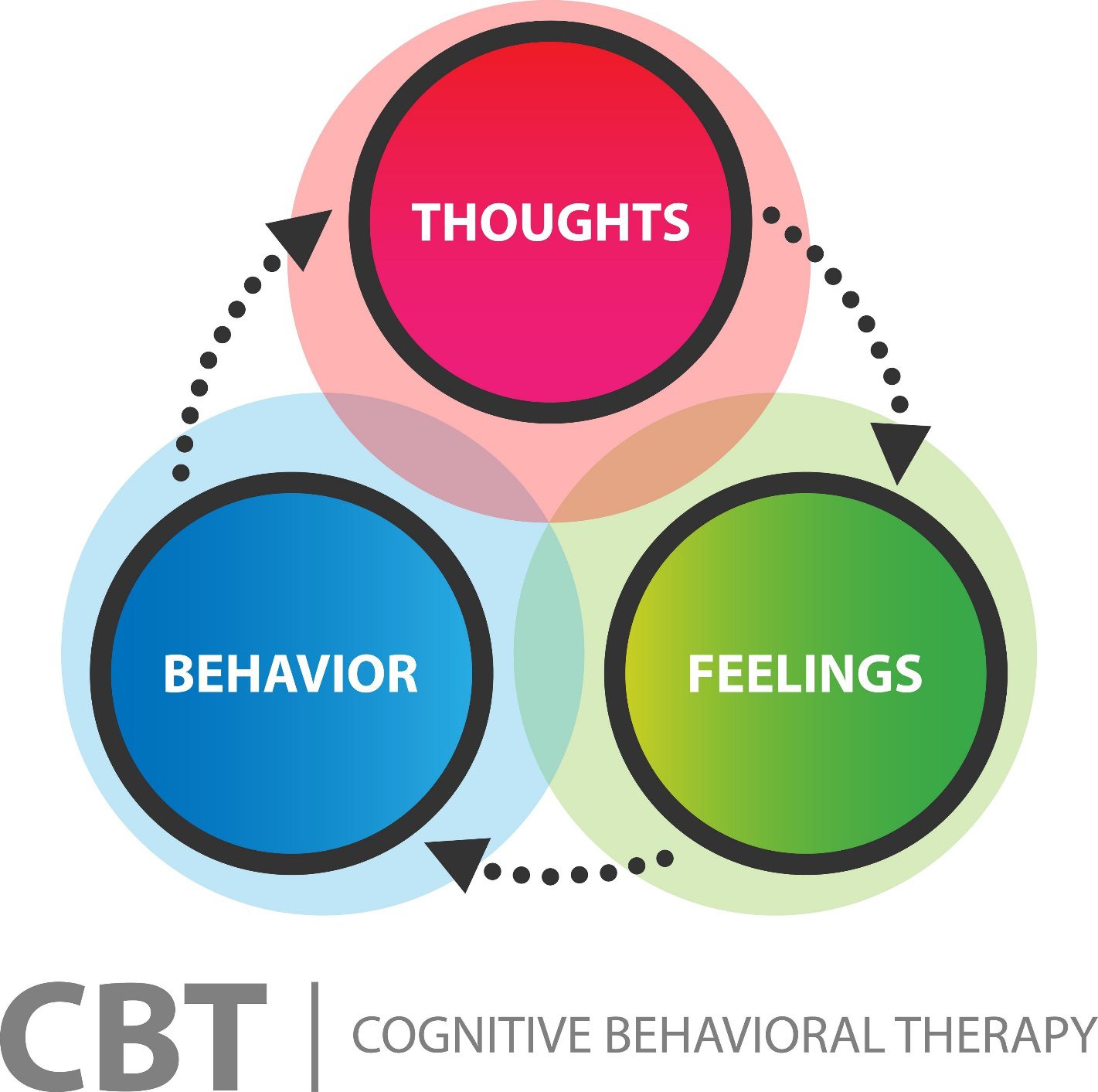
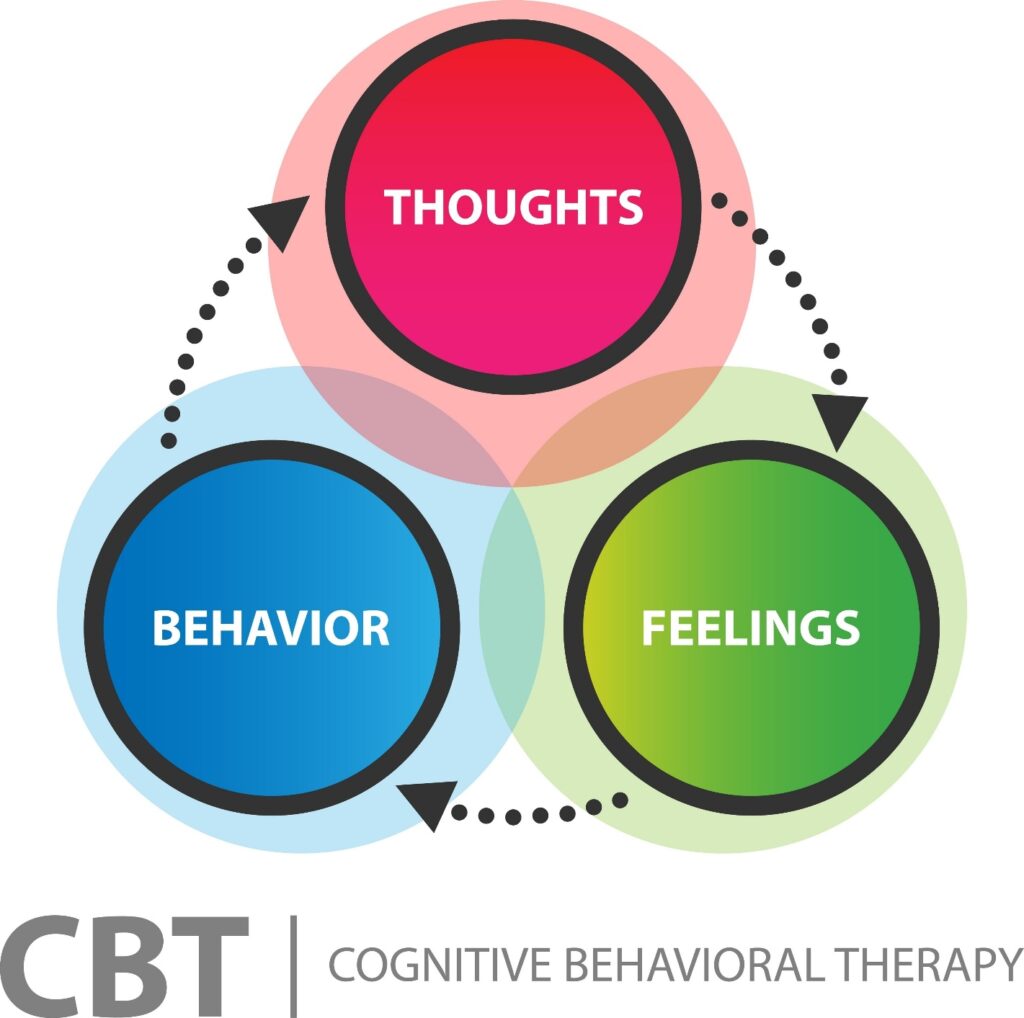
The first step in H-CBT is using classic CBT tools to map the cycle that keeps the wound hidden and the addiction active.
1. Dismantling the Cognitive Distortions
We use the thought record to expose the protective thoughts that block emotional health. These distortions justify the addiction as necessary:
| Cognitive Distortion | Addiction-Related Example | H-CBT Reframe (Challenging the Necessity) |
| Filtering (Tunnel Vision) | “I ruined my diet today; I might as well eat the entire cake.” | “One misstep is data, not destiny. I can choose to return to my original plan at the next moment.” |
| Emotional Reasoning | “I feel intensely lonely, so the only way to feel better is to use/act out.” | “The feeling is temporary, and I have healthy tools. Loneliness is not a command for self-destruction. I can tolerate this feeling for 10 minutes.” |
| Personalization | “My spouse is stressed; it must be because I am not doing enough.” | “My spouse’s stress belongs to them. I am responsible only for my actions and reactions, not for their internal state.” |
| All-or-Nothing Thinking | “Since I’m in recovery, I should never feel angry. Feeling this means I’m failing.” | “Recovery means learning to process emotions, not eliminate them. Anger is a normal signal that I need to set a boundary.” |
| Catastrophizing | “If I acknowledge how much pain I’ll completely lose control and never come back.” | “I can feel my pain without dissolving into it. I have grounding tools (Phase 4) to safely experience intense emotion and remain present.” |
| Mind Reading | “My sponsor hasn’t called me back; they must think I’m too much trouble to deal with.” | “I am interpreting absence as rejection. I will treat this as an unknown until I have facts, and I will be kind to myself in the meantime.” |
2. Identifying the “Relief” Thought
Crucially, H-CBT identifies the automatic thought that immediately precedes the destructive action. This is the Relief Thought (e.g., “This one time won’t hurt,” or “I deserve to escape”). By targeting the Relief Thought, we interrupt the emotional avoidance loop.
Phase 3: Heart-Centered Integration—Self-Compassion as the Antidote to Shame
This phase introduces the “Heart-Centered” component, replacing the Inner Critic’s condemnation with radical self-acceptance.
1. The Three Components of Self-Compassion
Dr. Kristin Neff identifies three elements crucial for healing the inner wound:2
- Mindfulness: Observing the painful emotion without judgment (decentering). For strategies to quiet the inner critic and develop non-judgmental awareness, read our guide on CBT for Healing Overthinking and Mindset.
- Common Humanity: Recognizing that suffering, flaws, and emotional struggle are part of the shared human experience (“It’s not just me”).
- Self-Kindness: Actively comforting and supporting oneself during distress, rather than self-flagellating.3
2. Inner Dialogue and Re-parenting
- The core practice is rewriting the shame narrative by talking to your inner self as a safe, compassionate caregiver. This process helps establish a CBT Mindset for Happiness and Growth.
- Old Shame Dialogue: “You are weak. You failed again. You’ll never change.”
- New H-CBT Dialogue: “I see you are in pain right now. This feeling is difficult, and I am here for you. We can handle this together. What do you need to feel safe right now?”
This act of inner reparenting directly addresses the original emotional deficit and builds inner safety—the feeling that you are secure and supported regardless of external circumstances or emotional chaos.
Phase 4: Embodiment and Vagal Toning for Core Safety
Healing the wound is physical as well as cognitive.4 H-CBT uses specific somatic (body-based) techniques to signal safety to the nervous system, bypassing the rational brain where the addiction narrative often resides.
1. Vagal Nerve Regulation Techniques
The Vagus nerve is the primary component of the parasympathetic nervous system (the brake).5 By consciously stimulating it, we reassure the body that it is safe, even in the presence of triggers.
- Specific Practice: Cold Water Exposure (splashing cold water on the face), controlled, slow Exhalation Breaths (exhaling twice as long as inhaling), or deep, resonant Humming/Singing. These practices signal a quick shift from “fight or flight” to “rest and digest.”
2. Grounding to Anchor the Present
When the wound is activated, creating a feeling of emotional regression or panic, we use intense grounding to anchor the self in the safe present moment.
- Practice: The 5-4-3-2-1 Technique or Mindful Walking, focusing intensely on the tactile sensations of your feet on the floor. This provides factual proof of safety to the brain.
Phase 5: Behavioral Experiments for Core Belief Change
The most powerful step in H-CBT is actively disproving the negative core beliefs of the wound through structured, real-world action—known as Behavioral Experiments. These actions create new, factual evidence that contradicts the old narrative.
1. The Evidence Collection Log
This CBT tool requires planning an action, predicting the negative outcome based on the old belief, executing the action, and then recording the factual result.
| Old Core Belief | Behavioral Experiment Action | Predicted Outcome (Based on Old Belief) | Factual Result/Evidence |
| “I am unlovable/will be rejected.” | Assertively set a small boundary with a trusted friend (e.g., say “No” to a minor request). | They will get angry or abandon me entirely. | The friend was disappointed but accepted the boundary and respected me. |
| “The world is unsafe; I must be perfect.” | Publicly make a small, harmless mistake (e.g., ask a “stupid” question in a meeting). | I will be humiliated and judged by everyone. | Two people offered helpful information, and the conversation moved on quickly. My safety was not compromised. |
2. Habit Stacking Self-Compassion
Integrate the “Heart-Centered” phase (Phase 3) immediately after a Behavioral Experiment. Regardless of the outcome, follow up with a moment of self-kindness: “I did the hard thing, and I am proud of the courage it took to challenge the old belief.” This links courage and safety in the brain.
Phase 6: Cultivating Values and Meaning (Filling the Void)
Sustained recovery moves beyond merely removing the addiction; it requires actively filling the void left by the “wound” with meaningful, values-aligned actions. This gives the nervous system a positive, non-addictive purpose to focus on.
1. Values Clarification
Identify three core values (e.g., connection, creativity, health). The goal is to shift daily choices from avoidance-driven (“I must escape”) to values-driven (“I will create/connect”).
2. Values-Aligned Behavior
Create small, concrete actions aligned with these values that directly compete with the old addictive behavior.
- If the old behavior was isolation/numbing, the new values-aligned behavior is sending a text to a friend (Connection) or writing in a journal (Creativity).
- This process provides the brain with positive reinforcement for healthy choices, further weakening the old addiction loop through neuroplasticity.
Phase 7: Relapse as Recalibration—The Heart-Centered Response
In H-CBT, a setback or lapse is not viewed as total failure but as a crucial piece of data indicating a stressor or an unmet need. This phase reframes the old, destructive shame cycle into a cycle of compassionate learning.
1. The Post-Lapse Inquiry (Compassionate CBT)
When a destructive behavior occurs, H-CBT replaces the inner critical voice with structured, self-compassionate inquiry:
- Acknowledge and Validate: “I am in pain right now. This slip-up happened because I was deeply suffering. I will treat myself with kindness.”
- Identify the Trigger and Need: “What was the immediate emotional trigger? What was the unmet need I was trying to fill using the addiction?” (e.g., The need was rest, but I sought escape instead).
- Plan the Opposite Action: “The old plan failed. What small, values-aligned action (Phase 6) will I take right now to re-regulate my nervous system and commit to my values?” (e.g., A 5-minute Vagal Toning exercise, Phase 4).
2. Protecting the Core Self from Shame
The key goal here is to contain the lapse. The lapse was an action; the core self remains worthy and capable of recovery. This prevents the All-or-Nothing Thinking (Phase 2) from hijacking the entire recovery process. H-CBT teaches that momentary use is not equivalent to complete failure, enabling a quick return to the path without the paralyzing weight of self-condemnation.
Conclusion: Building a Life Worth Staying For
Heart-Centered CBT is a path of excavation and reconstruction. It uses CBT to dismantle the lies that enable addiction and uses self-compassion to heal the core wound that created the need for escape in the first place. By practicing self-kindness and regulation, you replace the destructive craving for external anesthesia with the deep, reliable security of being fully present and compassionate toward yourself.
This process ensures that you are not just recovering from something, but actively building a life worth staying present for. For additional resources on managing addiction and mental health, consult the National Institute of Mental Health (NIMH).
Take the Next Step in Your Healing Journey
Healing the wound beneath the addiction is not a single event, but a courageous process of self-discovery and repair. You have read the map; now it’s time to take the first step.
- Visit BetterMindClub.com: Explore our full library of resources dedicated to emotional health, trauma recovery, and building a compassionate mindset for sustained change.
- Download Your Free CBT Tools: Immediately apply the principles of H-CBT. Get our foundational worksheets for identifying cognitive distortions, mapping emotional avoidance loops, and beginning your inner re-parenting work.
- Commit to Kindness: Set a reminder to perform one act of self-kindness (Phase 3) every day for the next week. This simple practice begins to rewire your relationship with yourself.
Frequently Asked Questions (FAQs)
Q: What is the primary difference between H-CBT and traditional CBT for addiction?
A: Traditional CBT focuses primarily on identifying and challenging distorted thoughts to change behavior.6 H-CBT adds a crucial layer: Self-Compassion. It doesn’t just ask, “Is this thought true?” it asks, “How can I respond to my pain with kindness?” This focus on healing shame, rather than just controlling symptoms, leads to deeper, more sustainable recovery.
Q: How does H-CBT help with relapse prevention?
A: Relapse often happens when emotional pain becomes overwhelming, and the individual defaults to the old coping mechanism. H-CBT provides two layers of prevention: (1) Cognitive Scripts to interrupt the Relief Thought (CBT), and (2) Emotional Resilience through Self-Kindness and Vagal Toning(Heart-Centered), meaning the individual is less likely to experience overwhelming pain and has compassionate tools when they do.
Q: Does “Heart-Centered” mean I ignore the harmful behaviors?
A: Absolutely not. Heart-Centered CBT involves holding the commitment to recovery with kindness, not allowing harmful behavior to continue. Instead of judging the action as proof that you are worthless, you view the slip-up as a moment of suffering and ask, “What was the unmet need here?” This self-compassionate inquiry leads to constructive change, while self-criticism leads to further shame and relapse.
Q: How is H-CBT connected to inner child work?
A: The Inner Dialogue and Re-parenting practice in H-CBT is fundamentally a form of inner child work. The “wound beneath the addiction” is often rooted in the unmet needs of childhood (the inner child). By applying Self-Kindness (Phase 3) and providing the Inner Safety (Phase 4) that was missing, H-CBT helps the adult self become the reliable, compassionate caregiver for the wounded inner self, gradually replacing the need for external, addictive coping mechanisms.
